
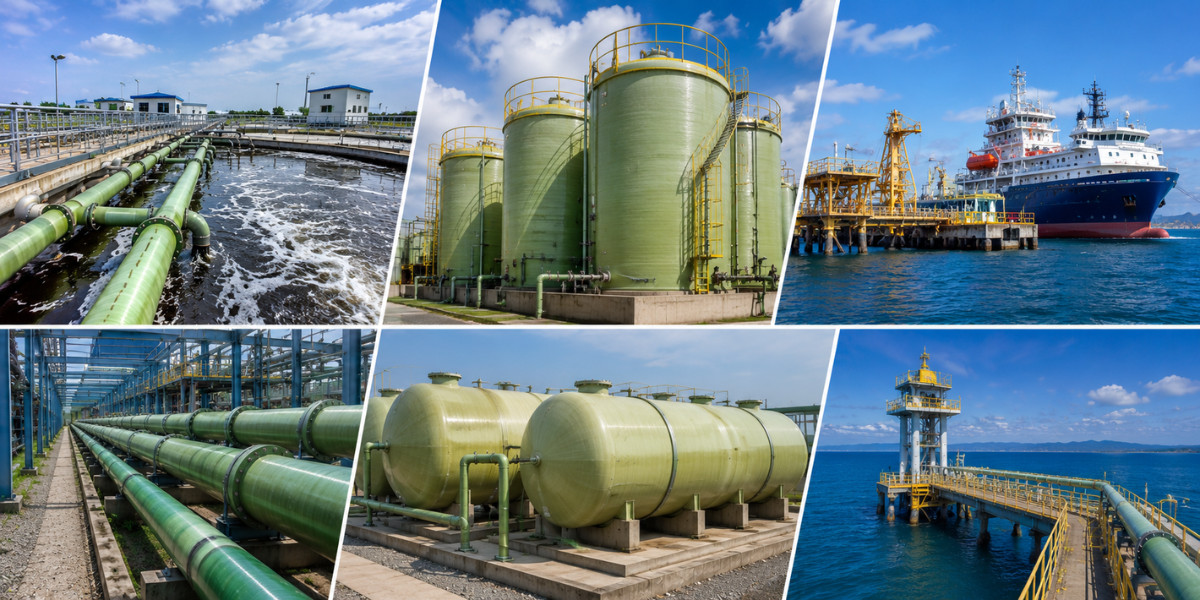
Learn the most important vinyl ester resin uses across chemical processing, marine, infrastructure, energy, and industrial applications. Discover why industries choose vinyl ester resin for durability and corrosion resistance.
Vinyl ester resin has established itself as one of the most reliable materials in the composites industry. Known for its outstanding corrosion resistance, high mechanical strength, and excellent durability, it bridges the gap between polyester and epoxy systems. As industries continue to demand materials that can perform in aggressive environments, the importance of vinyl ester resin uses continues to grow.
From chemical processing plants to offshore structures, vinyl ester resin plays a critical role in improving equipment life and reducing maintenance costs. Let’s explore the major applications where this advanced resin delivers exceptional value.
Why Is Vinyl Ester Resin Widely Used?
Before discussing specific vinyl ester resin uses, it is important to understand what makes this material unique. Vinyl ester resin offers superior resistance to chemicals, moisture, and environmental degradation. In addition, it provides excellent toughness and impact resistance, making it suitable for demanding applications.
Furthermore, its low permeability helps prevent water and chemical penetration, which significantly extends the lifespan of composite structures.
Vinyl Ester Resin Uses in Chemical Processing Industries
Among all vinyl ester resin uses, chemical processing remains one of the largest sectors. Manufacturing facilities frequently handle corrosive substances that can quickly damage conventional materials such as steel or standard polyester composites.
Chemical Storage Tanks
Chemical storage tanks must safely contain acids, alkalis, solvents, and other aggressive chemicals for extended periods. Vinyl ester resin creates a protective barrier that resists chemical attack and prevents premature degradation. As a result, storage tanks maintain their structural integrity even in challenging operating conditions.
Process Vessels and Reactors
Industrial reactors and process vessels are often exposed to elevated temperatures and harsh chemical environments. Therefore, manufacturers use vinyl ester resin to improve corrosion resistance and ensure long-term operational reliability.
Scrubbers and Emission Control Equipment
Scrubbers help remove harmful gases from industrial exhaust streams. Since these systems constantly encounter corrosive compounds, vinyl ester resin is commonly selected to protect equipment and minimize maintenance requirements.
Vinyl Ester Resin in FRP Pipes and Piping Systems
The transportation of chemicals, wastewater, and industrial fluids requires piping systems that can resist corrosion while maintaining mechanical performance.
Industrial Process Piping
FRP pipes manufactured with vinyl ester resin are widely used in chemical plants, power facilities, and manufacturing operations. These systems offer excellent resistance to chemical exposure while remaining lightweight and easy to install.
Wastewater Treatment Networks
Wastewater treatment facilities handle liquids containing acids, salts, and various contaminants. Consequently, vinyl ester resin helps ensure that piping systems remain durable and reliable throughout their service life.
Desalination and Water Management Systems
Water treatment and desalination facilities often operate in corrosive environments. Vinyl ester resin protects piping infrastructure from degradation caused by moisture and chemical exposure.
Application in Marine and Offshore
Marine environments present constant challenges due to saltwater exposure, humidity, and UV radiation. Therefore, materials used in these applications must provide long-lasting protection.
Marine Structures
Piers, docks, walkways, and marine support structures benefit from the corrosion resistance offered by vinyl ester resin. Unlike traditional materials, composite structures resist rust and require less maintenance.
Boat and Vessel Components
Many boat manufacturers utilize vinyl ester resin because it helps reduce water absorption and improves durability. As a result, marine components maintain their performance over extended periods.
Offshore Platforms
Offshore oil, gas, and renewable energy installations operate under some of the harshest environmental conditions. Vinyl ester resin provides the chemical and moisture resistance necessary for reliable long-term service.
Vinyl Ester Resin Uses in Infrastructure and Construction
Modern infrastructure projects increasingly use composite materials to reduce maintenance costs and improve service life.
Bridge Components
Bridges are continuously exposed to weather, moisture, and environmental pollutants. Vinyl ester resin helps reinforce composite bridge structures and protects them from corrosion-related damage.
Structural Reinforcement Systems
Engineers often use vinyl ester resin in composite strengthening systems that enhance the performance of aging structures. Consequently, infrastructure owners can extend the lifespan of valuable assets.
Industrial Flooring and Protective Surfaces
Industrial facilities require flooring systems that can withstand chemical spills, heavy equipment traffic, and abrasive conditions. Vinyl ester resin-based flooring systems provide excellent protection while maintaining durability.
Vinyl Ester Resin Uses in Renewable Energy Applications
As renewable energy projects expand globally, the demand for high-performance composite materials continues to increase.
Wind Energy Components
Wind turbine structures require lightweight yet durable materials. Vinyl ester resin contributes to the production of composite components that can withstand environmental stress and long-term outdoor exposure.
Corrosion-Resistant Energy Infrastructure
Renewable energy facilities are often installed in challenging environments. Therefore, vinyl ester resin helps protect critical equipment from moisture and chemical degradation.
Serving the Oil and Gas Industries
The oil and gas sector demands materials capable of operating under severe conditions.
Storage and Processing Equipment
Storage tanks, separators, and processing units frequently encounter corrosive substances. Vinyl ester resin enhances the durability of composite equipment used throughout these operations.
Pipelines and Transport Systems
Composite pipelines manufactured with vinyl ester resin offer excellent resistance to chemicals and environmental stress. As a result, they provide a dependable alternative to conventional materials.
Corrosion Control Solutions
Corrosion is one of the most significant challenges in oil and gas operations. Vinyl ester resin helps minimize this issue by protecting critical infrastructure and extending equipment life.
Key Benefits Driving Vinyl Ester Resin Uses
The growing popularity of vinyl ester resin uses is driven by several important advantages:
- Outstanding corrosion resistance
- Excellent chemical resistance
- High mechanical strength
- Superior toughness and impact resistance
- Low water absorption
- Good thermal stability
- Longer service life
- Reduced maintenance costs
Additionally, these benefits help industries improve operational efficiency while lowering long-term ownership costs.
Concluding Thoughts
The wide range of vinyl ester resin uses demonstrates why this material remains essential across modern industries. Whether it is protecting chemical storage tanks, strengthening infrastructure, supporting marine operations, or enabling renewable energy projects, vinyl ester resin consistently delivers reliable performance.
As industrial environments become more demanding, the need for durable and corrosion-resistant materials will continue to grow. Consequently, vinyl ester resin will remain a preferred solution for manufacturers seeking long-lasting performance, operational efficiency, and superior protection.
COMPANY INFO
Website: www.crestresins.com
Phone: +91 9879233188
Email: enquiry@crestresins.com
Address: 605/A, 6th Floor, Tower D, Times Square Grand Office, Sindhubhavan Marg, Near Taj Hotel, Ahmedabad, Gujarat - 380059
