
Explore how beverage can coatings protect metal surfaces, improve scratch resistance, enhance exterior finishes, and support durable beverage packaging.
Why the Outside of A Beverage Can Matters?
A beverage can does more than hold a drink. Its exterior represents the brand, attracts customers, and protects the metal surface during handling and transport. However, cans face friction, moisture, stacking pressure, and contact with production equipment. These factors can affect their appearance and surface quality.
This is where beverage can coatings play an important role. A suitable exterior coating creates a protective layer and helps maintain a smooth, attractive finish. Moreover, it supports consistent branding across large production volumes.
For beverage brands and metal packaging manufacturers, the right coating solution can make a real difference. It helps balance surface protection, visual appeal, and manufacturing needs.
How Beverage Can Coatings Protect Metal Packaging?
Beverage cans move through filling lines, packing units, warehouses, and distribution networks. During this journey, their exterior surfaces may rub against other cans, conveyor belts, and packaging materials.
As a result, unprotected or poorly coated metal can develop scratches, scuff marks, and surface defects. Effective beverage can coatings help reduce these risks by forming a protective film over the metal.
Furthermore, the coating can improve resistance to moisture and environmental exposure, depending on its formulation. This protection helps preserve the can’s exterior appearance throughout its journey from the production line to the retail shelf.
Five Ways Beverage Can Coatings Improve Exterior Performance
1. A Protective Shield Against Everyday Wear
- Cans experience repeated contact during production, stacking, and transportation. Therefore, their exterior coating must withstand everyday mechanical stress.
- A well-designed coating can improve resistance to abrasion, scuffing, and minor scratches. In turn, it helps preserve the can’s surface quality during handling.
- However, the level of protection depends on resin chemistry, coating thickness, curing conditions, and the intended application.
2. Better Resistance to Moisture and Corrosion
- Moisture and unsuitable storage conditions can affect exposed metal surfaces. Over time, corrosion may damage the exterior and reduce the packaging’s visual quality.
- Suitable beverage can coatings act as a barrier between the metal and its surroundings. In addition, a properly developed formulation can help protect vulnerable areas when applied under suitable conditions.
- Manufacturers should assess corrosion resistance through application-specific testing. This helps confirm that the coating meets the required performance standards.
3. A Premium Finish That Strengthens Brand Appeal
- Packaging appearance influences how consumers perceive a beverage. Bright colours, clear graphics, and a uniform finish help products stand out in crowded retail displays.
- External coatings support this visual appeal by creating a consistent surface for decorative finishes and printed designs. Depending on the formulation, manufacturers can achieve different levels of gloss and surface smoothness.
- Consequently, brands can maintain a distinctive appearance across their product range. A consistent finish also helps reduce visible differences between production batches.
4. Reliable Adhesion for Lasting Surface Quality
- Even an attractive coating can fail if it does not bond properly to the metal. Poor adhesion may cause peeling, flaking, or other surface defects.
- For this reason, coating manufacturers must consider substrate preparation, resin compatibility, application conditions, and curing requirements.
- When these factors are well controlled, beverage can coatings can deliver more reliable adhesion and durable exterior performance. Moreover, suitable testing helps identify potential problems before full-scale production.
5. Consistent Results on High-Speed Production Lines
- Modern beverage can manufacturing requires speed, accuracy, and repeatable quality. Coatings must therefore suit the equipment, application method, and curing system used on the production line.
- A suitable formulation can support uniform film formation and consistent surface properties. Additionally, dependable application and curing can help reduce defects and avoid unnecessary rework.
- Nevertheless, manufacturers should validate coating performance under actual production conditions before adopting a new formulation.
What Makes a High-Performance Beverage Can Coating?
Choosing a coating requires a careful assessment of technical and production needs. Rather than focusing only on appearance, manufacturers should evaluate the following factors:
- Substrate compatibility: The coating must suit the metal surface and its preparation method.
- Scratch resistance: The finished coat should withstand the expected level of handling and abrasion.
- Corrosion protection: The formulation should provide suitable resistance to moisture and environmental exposure.
- Finish quality: Gloss, smoothness, colour compatibility, and visual uniformity should match the required specification.
- Adhesion and flexibility: The coating should remain bonded during handling and any relevant forming operations.
- Curing performance: The formulation must work with the available curing equipment and production speed.
- Regulatory requirements: Manufacturers should verify all applicable packaging regulations and any relevant food-contact requirements for the intended use.
By considering these factors together, manufacturers can select a coating that meets both performance and commercial needs.
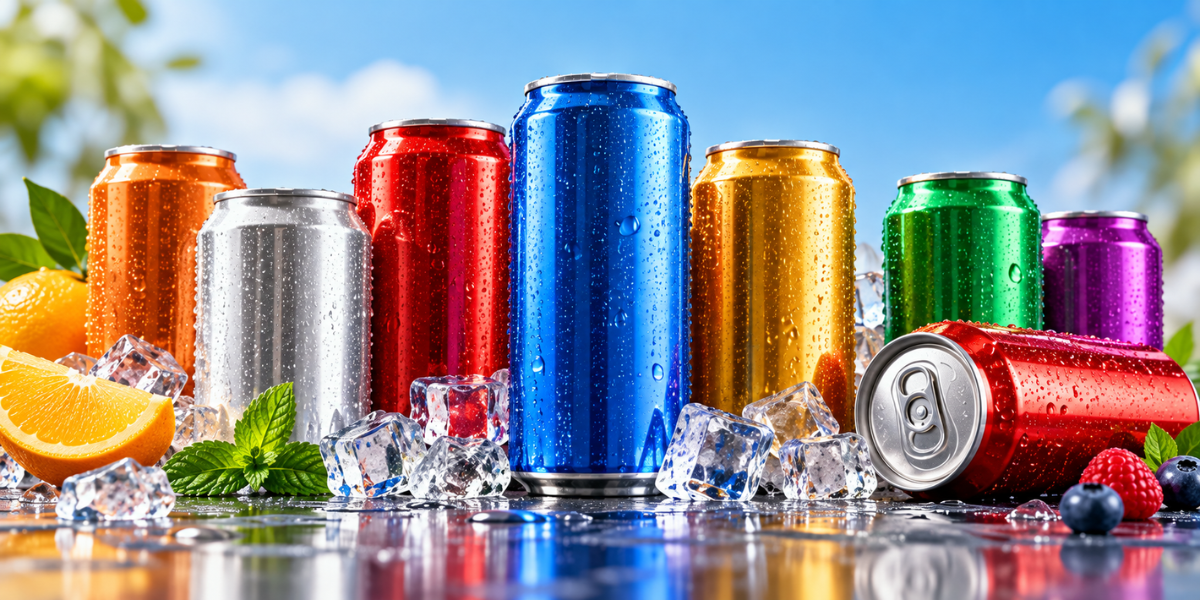
The Resin Advantage Behind Exterior Can Coatings
Resin chemistry plays a central role in coating performance. It influences film formation, adhesion, hardness, flexibility, gloss, and resistance to surface damage.
Therefore, selecting a suitable resin helps coating manufacturers develop formulations that meet specific exterior protection requirements. At the same time, they must balance durability with application behaviour, curing conditions, and the desired surface finish.
Crest Speciality Resins provides resin solutions for industrial coating applications, including exterior can coating. These solutions support coating manufacturers in developing finishes suited to their application requirements.
Furthermore, collaboration between resin suppliers and coating formulators can help identify the right balance of surface properties, processing needs, and end-use performance.
Concluding Thoughts
Beverage packaging continues to evolve as brands seek attractive finishes, reliable protection, and efficient manufacturing. Consequently, exterior coatings must meet both visual and technical expectations.
The right beverage can coatings can help protect metal surfaces, improve resistance to everyday wear, and maintain a consistent finish. However, the final performance depends on the complete formulation, application process, and curing conditions.
By choosing suitable resin technology and testing coatings under realistic conditions, manufacturers can develop durable exterior finishes that support modern beverage packaging needs.
COMPANY INFO
Website: www.crestresins.com
Phone: +91 9879233188
Email: enquiry@crestresins.com
Address: 605/A, 6th Floor, Tower D, Times Square Grand Office, Sindhubhavan Marg, Near Taj Hotel, Ahmedabad, Gujarat - 380059
