
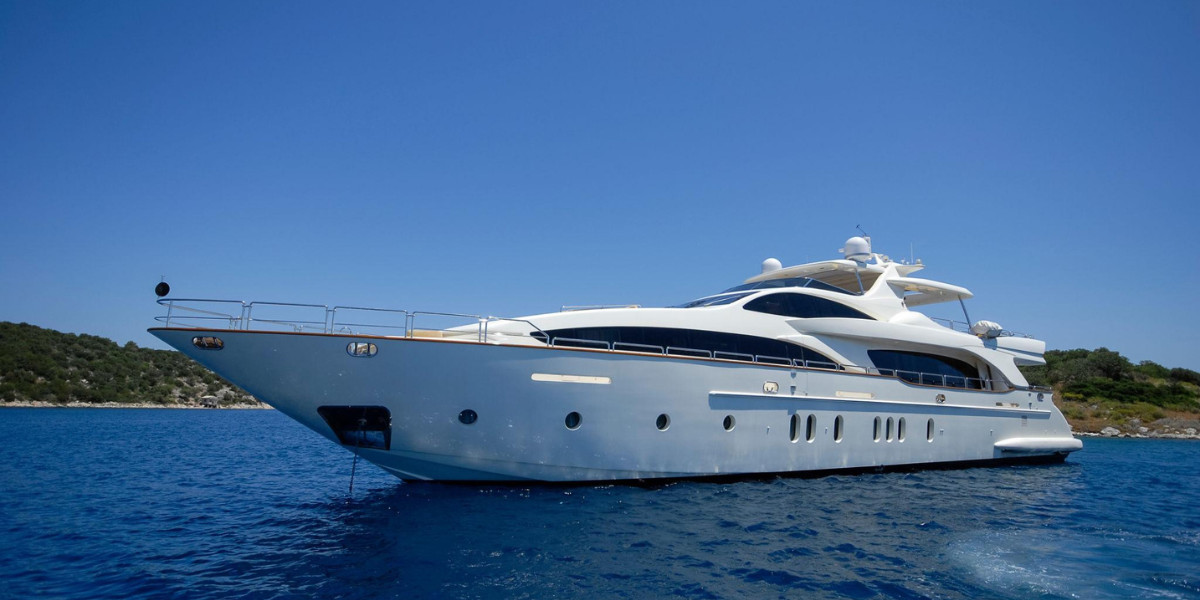
Explore how Advanced Vinyl Ester Resin Systems enhance marine infrastructure durability with superior corrosion resistance and long-term performance.
Marine environments are among the harshest conditions for any structure. Constant exposure to saltwater, moisture, and varying temperatures creates serious durability challenges. Therefore, selecting the right material becomes critical. This is where Advanced Vinyl Ester Resin Systems offer a reliable solution.
These high-performance resins are widely used to protect and strengthen marine infrastructure. Moreover, they help extend service life while reducing maintenance costs. In this blog, we will explore how Advanced Vinyl Ester Resin Systems improve durability in marine applications.
What Are Advanced Vinyl Ester Resin Systems?
Advanced vinyl ester resins are thermosetting polymers designed for superior chemical and environmental resistance. They combine the strength of epoxy resins with the processing ease of polyester resins. As a result, they provide a balanced performance profile.
In addition, these systems offer enhanced resistance to water ingress and chemical attack. Therefore, they are ideal for marine environments. Over time, improved formulations have been developed to meet demanding industry requirements.
Challenges in Marine Infrastructure
Marine structures face continuous exposure to aggressive conditions. For instance, saltwater accelerates corrosion, while UV radiation degrades materials. Furthermore, mechanical stress from waves and tides adds to the problem.
Because of these factors, materials can deteriorate quickly. As a result, frequent maintenance is required. In some cases, structural failure may even occur. Therefore, advanced protection systems are essential.
How Advanced Vinyl Ester Resin Systems Solve These Challenges?
Prevention from Corrosion
First and foremost, Advanced Vinyl Ester Resin Systems provide excellent resistance to corrosion. Saltwater and chemicals cannot easily penetrate the material. As a result, internal damage is prevented.
In addition, these resins form a strong protective barrier. Therefore, steel and concrete structures remain protected for longer periods.
Low Water Absorption
Water absorption is a major concern in marine environments. However, vinyl ester resins have low permeability. Consequently, water ingress is minimized. Because of this, structural integrity is maintained. Over time, durability is significantly improved.
High Mechanical Strength
Marine structures must withstand constant stress. Therefore, strong materials are required. Vinyl ester resins offer excellent tensile and flexural strength. As a result, they can handle dynamic loads and harsh conditions. Moreover, long-term performance is ensured.
Resistance to UV and Weathering
Exposure to sunlight and weather can degrade materials. However, these advanced resin systems are designed to resist UV radiation. Therefore, surface degradation is reduced. In addition, color and finish are maintained over time. This enhances both performance and appearance.
Extended Service Life
Because of their durability, maintenance frequency is reduced. As a result, operational costs are lowered. In many cases, infrastructure life is significantly extended. Therefore, these systems offer long-term value for marine projects.
Applications in Marine Infrastructure
Coastal Structures
Seawalls, piers, and jetties are constantly exposed to harsh conditions. Therefore, protective coatings are essential. Advanced Vinyl Ester Resin Systems are widely used in these structures.
Offshore Platforms
Offshore oil and gas platforms operate in extreme environments. Consequently, materials must be highly resistant. These resins provide reliable protection against corrosion and stress.
Shipbuilding and Repair
In shipbuilding, durability is a key requirement. Vinyl ester resins are used in hull construction and repair. As a result, vessels achieve longer service life.
Marine Pipelines
Pipelines transporting fluids in marine environments require strong protection. These resin systems are used as coatings and linings. Therefore, corrosion is minimized.
Advantages Over Conventional Materials
- Compared to traditional materials, Advanced Vinyl Ester Resin Systems offer several benefits. First, they provide better chemical resistance. Second, they have lower maintenance requirements.
- Moreover, they are easier to process than some high-performance alternatives. As a result, installation becomes more efficient. In addition, lifecycle costs are reduced.
Future Trends in Marine Resin Technology
- As sustainability becomes important, eco-friendly resin systems are being developed. Therefore, manufacturers are focusing on reducing environmental impact. In addition, innovations in curing technology are improving efficiency.
- Furthermore, hybrid resin systems are emerging. These systems combine multiple benefits in one solution. As a result, marine infrastructure protection will continue to evolve.
Concluding Thoughts
Advanced Vinyl Ester Resin Systems play a crucial role in enhancing marine infrastructure durability. They provide resistance to corrosion, water, and environmental stress. As a result, structures remain strong and reliable over time.
Therefore, investing in these advanced resin systems is a smart decision. Not only do they improve performance, but they also reduce long-term costs. Ultimately, they ensure that marine infrastructure can withstand even the harshest conditions.
COMPANY INFO
Website: www.crestresins.com
Phone: +91 9879233188
Email: enquiry@crestresins.com
Address: 605/A, 6th Floor, Tower D, Times Square Grand Office, Sindhubhavan Marg, Near Taj Hotel, Ahmedabad, Gujarat - 380059
