
Discover how Heat Resistant Coating Resin helps industrial coatings withstand high temperatures, thermal stress, oxidation, and demanding operating conditions.
Industrial equipment often operates under intense heat. Furnaces, boilers, exhaust systems, chimneys, ovens, heat exchangers, and process equipment can face temperatures far beyond the limits of ordinary coatings. Therefore, manufacturers need coating systems that can protect surfaces even under continuous thermal stress. This is where Heat Resistant Coating Resin plays an important role.
A coating is not simply a layer applied to improve the appearance of equipment. It creates a protective barrier between the substrate and its operating environment. However, when temperatures rise, the performance of the resin becomes increasingly important. If the binder cannot withstand the required temperature, the coating may eventually lose adhesion, crack, blister, or degrade.
Therefore, selecting the right Heat Resistant Coating Resin is essential for industrial applications where thermal performance is critical.
What Is Heat Resistant Coating Resin?
Heat Resistant Coating Resin is a specially developed polymeric binder used to formulate coatings that can withstand elevated temperatures. It provides the foundation of the coating film and influences properties such as adhesion, flexibility, hardness, durability, and resistance to environmental exposure.
Unlike standard coating resins, a heat-resistant system is designed to maintain its performance under demanding thermal conditions. Depending on the chemistry and formulation, it can help coatings withstand:
- Elevated operating temperatures
- Repeated heating and cooling
- Oxidation
- Corrosive environments
- Chemical exposure
- Thermal stress
- Long-term industrial use
Moreover, the resin needs to work effectively with pigments, fillers, additives, solvents, and curing systems used in the final coating formulation.
Why Ordinary Coatings Can Struggle with High Temperatures?
Conventional industrial coatings can perform well in many environments. However, prolonged exposure to high temperatures can create serious challenges.
- As temperature increases, the coating film may soften or lose its mechanical strength. At the same time, repeated expansion and contraction of the metal substrate can place stress on the coating. Eventually, this may lead to cracking, blistering, peeling, or loss of adhesion.
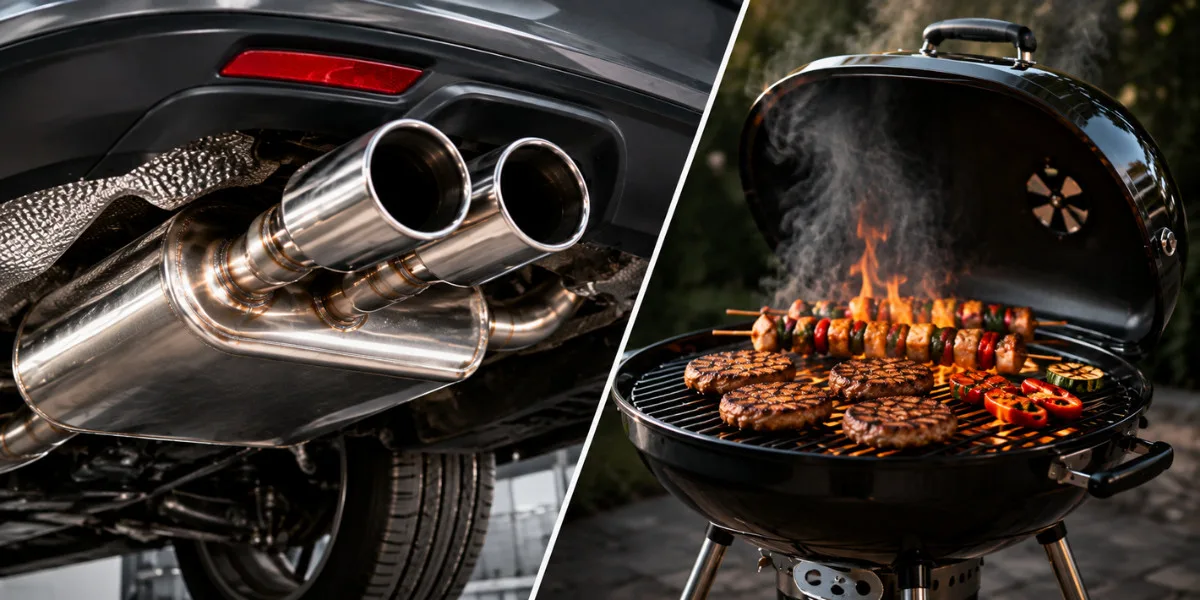
- For example, industrial exhaust systems are heated during operation and then cooled after shutdown. This repeated thermal cycling can gradually weaken an unsuitable coating system.
- A properly selected Heat Resistant Coating Resin, however, helps the coating maintain its protective properties under these demanding conditions.
Key Properties of Heat Resistant Coating Resin
A good high-temperature coating requires more than resistance to a single temperature rating. The resin should provide a balanced combination of thermal, mechanical, and chemical properties.
1. High Thermal Stability
The resin should remain stable at the intended service temperature. This helps the coating maintain its structure and performance during prolonged exposure to heat.
2. Strong Adhesion
Metal surfaces expand and contract as temperatures change. Therefore, strong adhesion is essential to prevent premature peeling and coating failure.
3. Oxidation Resistance
High temperatures can accelerate oxidation on exposed metal surfaces. A suitable resin system helps create a durable barrier that limits environmental attack.
4. Resistance to Thermal Cycling
Industrial equipment rarely operates at one constant temperature. Instead, it may repeatedly heat up and cool down. A suitable Heat Resistant Coating Resin can help the coating tolerate these temperature changes.
5. Chemical Resistance
Heat is often accompanied by exposure to chemicals, oils, fuels, solvents, vapours, or industrial gases. Consequently, the coating may need both thermal and chemical resistance.
6. Long-Term Durability
Industrial equipment requires reliable protection over extended periods. A durable resin system can help reduce maintenance requirements and extend recoating intervals.
Applications of Heat Resistant Coating Resin
The demand for high-temperature coating systems extends across many industries. Heat Resistant Coating Resin can be used in formulations for:
- Industrial chimneys and stacks
- Exhaust systems
- Boilers and furnaces
- Heat exchangers
- Industrial ovens
- Drying equipment
- Engine components
- Automotive exhaust systems
- Chemical processing equipment
- Oil and gas equipment
- Power generation machinery
- Metal processing equipment
However, each application has different requirements. For this reason, the resin should be selected according to the actual operating environment.
How to Select the Right Heat Resistant Coating Resin?
Choosing the right resin starts with understanding the application. First, manufacturers should identify the continuous operating temperature. Next, they should consider peak temperature, thermal cycling, substrate type, chemical exposure, curing conditions, and expected service life.
Application conditions also matter. A coating designed for spray application may require a different formulation approach from one designed for brushing, dipping, or other industrial processes.
Furthermore, the curing system should match the production process. A resin may offer excellent thermal resistance, but it still needs to cure properly and develop the required film properties.
Therefore, technical support and formulation flexibility can make a significant difference when developing high-temperature coating systems.
Why the Resin Is Critical to Coating Performance?
A finished coating contains several components, including pigments, fillers, additives, solvents, and curing agents. Each component contributes to the final performance. Nevertheless, the resin remains one of the most important parts of the formulation.
The resin forms the continuous film that binds the other components together. As a result, its properties directly influence adhesion, flexibility, hardness, durability, chemical resistance, and thermal performance.
A well-designed Heat Resistant Coating Resin can therefore help manufacturers develop coatings that remain reliable under demanding industrial conditions.
Moving Toward More Durable High-Temperature Coatings
Industrial processes are becoming more demanding. Equipment is expected to operate efficiently at higher temperatures while maintaining reliability and productivity. At the same time, manufacturers want longer coating life and lower maintenance costs.
Consequently, the development of advanced heat-resistant coating systems is becoming increasingly important.
The goal is not simply to create a coating that survives high temperatures. Instead, manufacturers need systems that can maintain adhesion, surface protection, durability, and chemical resistance throughout their service life. This makes resin selection a key part of coating development.
Concluding Thoughts
Industrial heat demands more than ordinary coatings. Equipment exposed to high temperatures needs protection that can withstand thermal stress, oxidation, chemical exposure, and repeated temperature changes.
Heat Resistant Coating Resin provides the foundation for developing these high-performance protective coatings. By selecting the resin according to operating temperature, substrate, chemical environment, curing process, and application requirements, manufacturers can develop coating systems with improved reliability and durability.
Ultimately, the right resin does more than withstand heat. It helps create a coating that continues to protect industrial surfaces when operating conditions become demanding.
COMPANY INFO
Website: www.crestresins.com
Phone: +91 9879233188
Email: enquiry@crestresins.com
Address: 605/A, 6th Floor, Tower D, Times Square Grand Office, Sindhubhavan Marg, Near Taj Hotel, Ahmedabad, Gujarat - 380059
