
Explore how vinyl ester resin is shaping the next generation of composite materials with superior strength, corrosion resistance, and long-term performance.
Introduction to Vinyl Ester Resin in Modern Composites
Composite materials are widely used across industries due to their strength and versatility. However, the demand for higher performance and durability is increasing rapidly. As a result, advanced materials are being developed to meet these evolving needs.
Among these, vinyl ester resins have emerged as a leading solution. They combine the best properties of epoxy and polyester systems. Therefore, they offer a balance of strength, flexibility, and resistance.
In modern surface engineering and structural applications, these resins are being preferred more often. Consequently, they are shaping the future of composite materials.
What Makes Vinyl Ester Resin Unique?
The structure of vinyl ester resins gives them distinct advantages. They are formed by reacting epoxy resins with unsaturated acids. Because of this, they inherit the toughness of epoxy and the processability of polyester.
Moreover, their molecular structure allows better bonding within composite systems. As a result, improved mechanical performance is achieved. In addition, these resins are less prone to cracking under stress. Therefore, they are considered a reliable option for demanding environments.
Key Advantages of Vinyl Ester Resin
The growing adoption of vinyl ester resin is driven by several performance benefits. These advantages make them ideal for next-generation composites.
Superior Corrosion Resistance
Vinyl ester resin provides excellent resistance to chemicals and harsh environments. For instance, they are widely used in tanks, pipes, and marine structures. As a result, long-term degradation is minimized.
High Mechanical Strength
These resins offer strong tensile and impact properties. Consequently, composite structures become more durable and reliable under load.
Enhanced Thermal Stability
Vinyl ester systems can withstand higher temperatures compared to traditional polyester resins. Therefore, they are suitable for applications where heat resistance is required.
Better Fatigue Resistance
Repeated stress can weaken many materials over time. However, vinyl ester resins maintain their performance under cyclic loading. This makes them ideal for structural applications.
Low Water Absorption
Moisture can damage composite materials. In contrast, vinyl ester resins absorb less water. As a result, they retain their strength and integrity for longer periods.
Applications of Vinyl Ester Resin Across Advanced Industries
Due to their superior properties, vinyl ester resins are used in a wide range of industries. Their versatility supports innovation in composite materials.
Marine Industry
Boats, yachts, and offshore structures benefit from corrosion resistance and durability. Therefore, vinyl ester resins are commonly used in marine composites.
Chemical Processing
Storage tanks, pipelines, and reactors require resistance to aggressive chemicals. As a result, these resins are preferred in chemical plants.
Construction and Infrastructure
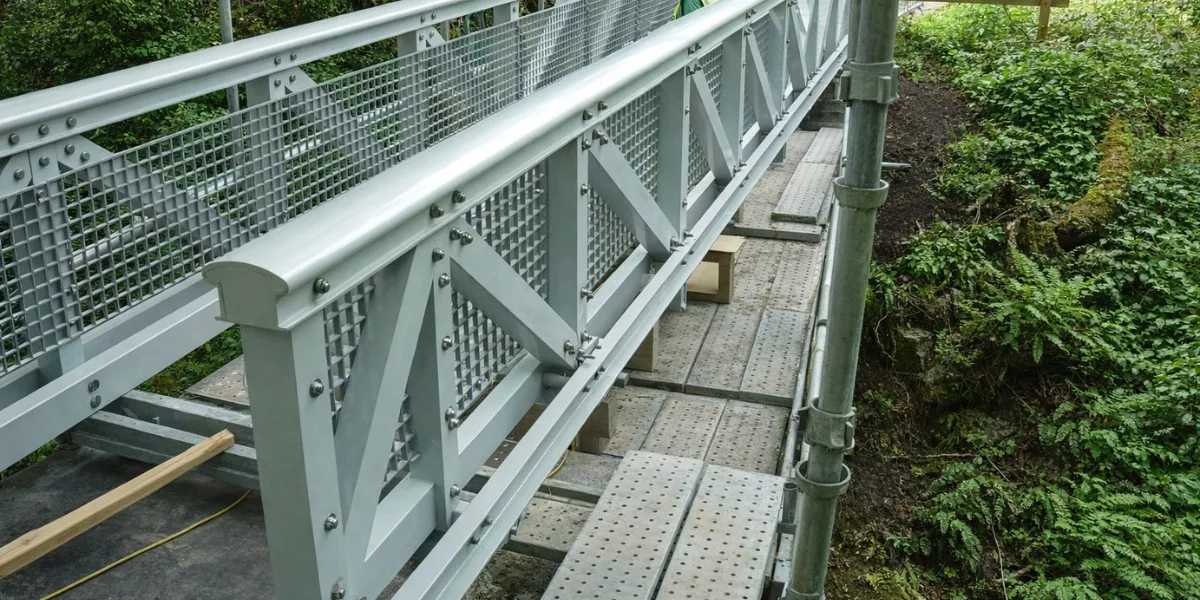
Bridges, panels, and reinforcements demand long-lasting performance. Consequently, vinyl ester composites are used to enhance structural integrity.
Wind Energy
Wind turbine blades require strength and fatigue resistance. Hence, vinyl ester resins play a key role in renewable energy applications.
Automotive and Transportation
Lightweight yet strong materials are essential in modern vehicles. Therefore, these resins help improve fuel efficiency and performance.
Comparison with Traditional Resin Systems
Traditional polyester resins are cost-effective but offer limited performance. On the other hand, epoxy resins provide excellent strength but can be expensive and complex to process.
In contrast, vinyl ester resins offer a balanced solution. They deliver high performance at a relatively lower cost than epoxies. Additionally, they are easier to process, which improves manufacturing efficiency. As a result, they are increasingly replacing conventional resin systems in many applications.
Innovations Driving the Future
- The development of vinyl ester resins continues to evolve. New formulations are being introduced to enhance sustainability and performance.
- For example, low-styrene and styrene-free systems are being developed to reduce emissions. In addition, improved curing technologies are enabling faster production cycles.
- Moreover, hybrid composite systems are being explored to further enhance material properties. As innovation progresses, these resins will play an even greater role in advanced material design.
Concluding Thoughts
Vinyl ester resin is leading the next generation of composite materials due to their unique combination of strength, durability, and resistance. They bridge the gap between traditional resin systems while offering superior performance.
As industries continue to demand high-quality and long-lasting materials, the importance of these resins will only grow. Therefore, adopting vinyl ester technology is essential for future-ready composite solutions. Ultimately, they are not just an alternative but a key driver of innovation in modern composites.
COMPANY INFO
Website: www.crestresins.com
Phone: +91 9879233188
Email: enquiry@crestresins.com
Address: 605/A, 6th Floor, Tower D, Times Square Grand Office, Sindhubhavan Marg, Near Taj Hotel, Ahmedabad, Gujarat - 380059
