
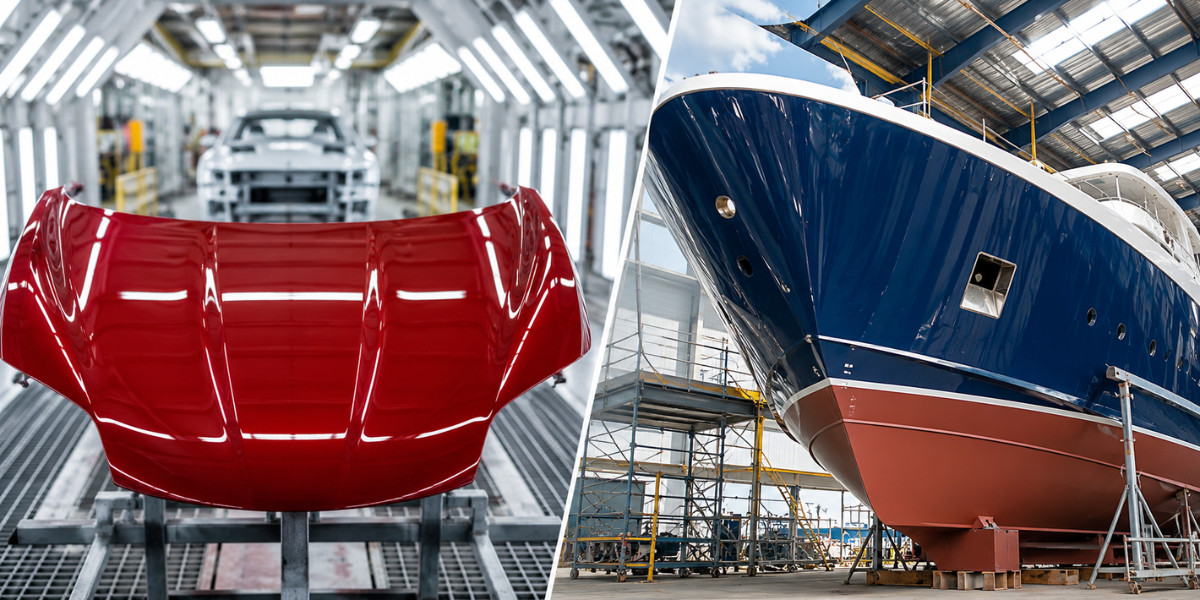
Discover what is resin, its key properties, types, and why it is the building block of modern engineering across construction, automotive, marine, and industrial applications.
Modern engineering depends on materials that are strong, lightweight, and durable. Among these materials, resin plays a vital role. It serves as the foundation of many composite products used in industries around the world. From bridges and boats to wind turbine blades and chemical storage tanks, resin helps engineers create products that perform well under demanding conditions.
In this article, we will explore what is resin, how it works, why it is important, and where it is used in today’s engineering world.
What Is Resin?
Resin is a polymer-based material that starts as a liquid or semi-solid substance and hardens into a solid after a curing process. During curing, a chemical reaction creates strong molecular bonds, giving the material excellent mechanical strength and durability.
Although natural resins exist in plants and trees, modern engineering mainly uses synthetic resins because they provide consistent quality, better chemical resistance, and improved performance. Moreover, synthetic resins can be formulated for different industrial applications. As a result, they have become an essential material in advanced manufacturing.
Why Resin Is Called the Building Block of Modern Engineering?
The answer lies in its versatility. Resin acts as the binding material in composite structures. It holds reinforcement materials, such as glass fiber or carbon fiber, together while protecting them from moisture, chemicals, and environmental damage.
Furthermore, resin provides several important advantages:
- High mechanical strength
- Excellent corrosion resistance
- Lightweight construction
- Strong adhesion
- Good electrical insulation
- Long service life
Because of these properties, engineers can design products that last longer while reducing maintenance costs.
How Resin Works in Composite Materials?
Composite materials combine two or more different materials to achieve superior performance. In these systems, resin forms the matrix that surrounds reinforcing fibers.
The reinforcement provides structural strength, whereas the resin distributes loads evenly throughout the structure. At the same time, it protects the fibers from chemical attack, water penetration, UV exposure, and physical damage. Consequently, composite materials become stronger, lighter, and more reliable than many traditional materials.
Common Types of Resin Used in Engineering
Different applications require different resin systems. Therefore, manufacturers select the resin according to performance requirements.
Unsaturated Polyester Resin
Unsaturated polyester resin is one of the most widely used engineering resins. It offers a good balance between cost and performance.
Typical applications include:
- FRP tanks
- Pipes
- Cooling towers
- Construction panels
- Automotive parts
Its fast curing time and easy processing also make it suitable for large-scale production.
Vinyl Ester Resin
Vinyl ester resin provides outstanding chemical resistance and higher mechanical performance than standard polyester resin.
It is commonly used for:
- Chemical processing equipment
- Marine structures
- Industrial scrubbers
- Corrosion-resistant tanks
- Offshore applications
Additionally, it performs well in harsh industrial environments where aggressive chemicals are present.
Epoxy Resin
Epoxy resin is known for its exceptional bonding strength and excellent electrical insulation.
It is widely used in:
- Aerospace components
- Electronics
- Wind energy
- Structural adhesives
- High-performance composites
Although epoxy resin generally costs more, its superior performance often justifies the investment.
Key Properties That Make Resin Valuable
Several characteristics make resin indispensable in engineering.
High Strength-to-Weight Ratio
Resin-based composites provide excellent strength while remaining significantly lighter than steel or concrete. Therefore, transportation becomes easier and installation costs decrease.
Excellent Corrosion Resistance
Unlike metals, many resins resist corrosion from chemicals, saltwater, and moisture. As a result, equipment enjoys a longer operational life.
Design Flexibility
Resin can be moulded into almost any shape. Consequently, manufacturers can produce complex components without extensive machining.
Thermal and Electrical Insulation
Many engineering resins offer excellent insulation properties. Hence, they are widely used in electrical equipment and industrial systems.
Low Maintenance
Products manufactured with quality resin require less maintenance over time. This helps industries reduce operating costs and improve reliability.
Industries That Depend on Resin
Today, resin supports innovation across numerous industries.
Some major sectors include:
- Construction and infrastructure
- Automotive manufacturing
- Marine engineering
- Aerospace
- Renewable energy
- Electrical and electronics
- Chemical processing
- Water treatment
- Rail transportation
Moreover, new applications continue to emerge as composite technologies advance.
How Resin Supports Sustainable Engineering?
Sustainability has become a major engineering priority. Resin contributes by enabling lightweight products that consume less energy during transportation and operation.
In addition, longer-lasting composite structures reduce material replacement and waste generation. Many manufacturers are also developing recyclable and bio-based resin systems to minimize environmental impact.
Therefore, resin continues to evolve alongside modern sustainability goals.
Choosing the Right Resin
Selecting the correct resin depends on several factors, including:
- Mechanical strength requirements
- Chemical exposure
- Operating temperature
- Manufacturing process
- Environmental conditions
- Budget considerations
By choosing the right resin, engineers can maximize product performance while ensuring long-term reliability.
Concluding Thoughts
Understanding what is resin helps explain why it has become one of the most important materials in modern engineering. It provides strength, durability, corrosion resistance, and design flexibility across countless industrial applications.
Whether it is used in composite tanks, marine vessels, automotive components, renewable energy systems, or infrastructure projects, resin continues to drive engineering innovation. As technology advances, new resin formulations will further improve performance, sustainability, and manufacturing efficiency, making resin an even more valuable building block for the future.
COMPANY INFO
Website: www.crestresins.com
Phone: +91 9879233188
Email: enquiry@crestresins.com
Address: 605/A, 6th Floor, Tower D, Times Square Grand Office, Sindhubhavan Marg, Near Taj Hotel, Ahmedabad, Gujarat - 380059
