
Discover how gelcoat for marine applications protects boats and marine structures from saltwater, UV exposure, moisture, and harsh weather while delivering a durable, attractive finish.
Why Gelcoat for Marine Applications Matters?
Marine structures face some of the toughest environmental conditions. Boats, yachts, offshore components, and other fiberglass structures are exposed to saltwater, sunlight, humidity, wind, and changing temperatures. Over time, these conditions can damage an unprotected surface.
That is why gelcoat for marine applications plays an important role in composite construction. It forms a protective outer layer over the fiberglass laminate. At the same time, it provides a smooth and attractive finish.
Moreover, a suitable marine gelcoat can help improve surface durability without adding unnecessary complexity to the manufacturing process.
What Makes Marine Gelcoat Different?
Marine environments demand more than a good-looking surface. The coating must withstand continuous exposure to moisture and sunlight. Therefore, marine-grade gelcoat is designed with properties that support long-term surface protection.
A quality gelcoat for marine applications can offer:
- Strong resistance to saltwater exposure
- Good UV and weather resistance
- Protection against moisture penetration
- Smooth and durable surface finish
- Good adhesion to composite substrates
- Resistance to everyday marine wear
- Attractive gloss and colour retention
In addition, the gelcoat can be formulated for specific processing methods and performance requirements. This allows manufacturers to select a solution based on the vessel design, production process, and operating environment.
How Gelcoat Handles Saltwater Exposure?
Saltwater can be highly aggressive toward materials. Constant contact with water, dissolved salts, and moisture can accelerate surface degradation. Furthermore, marine structures often experience repeated wetting and drying cycles.
A properly formulated gelcoat for marine applications creates a protective barrier between the composite laminate and the surrounding environment. As a result, the underlying fiberglass structure receives an additional layer of surface protection.
However, performance depends on more than the resin alone. Correct application, laminate quality, curing conditions, thickness, and surface preparation all influence the result.
Advantages of Applying Gelcoat for Marine Applications
UV Resistance for Long-Term Marine Performance
Sunlight creates another major challenge for marine structures. Ultraviolet radiation can cause fading, chalking, loss of gloss, and surface deterioration in unsuitable coatings.
For this reason, UV resistance is an important consideration when selecting gelcoat for marine applications. A well-designed formulation helps the finished surface maintain its appearance for longer periods.
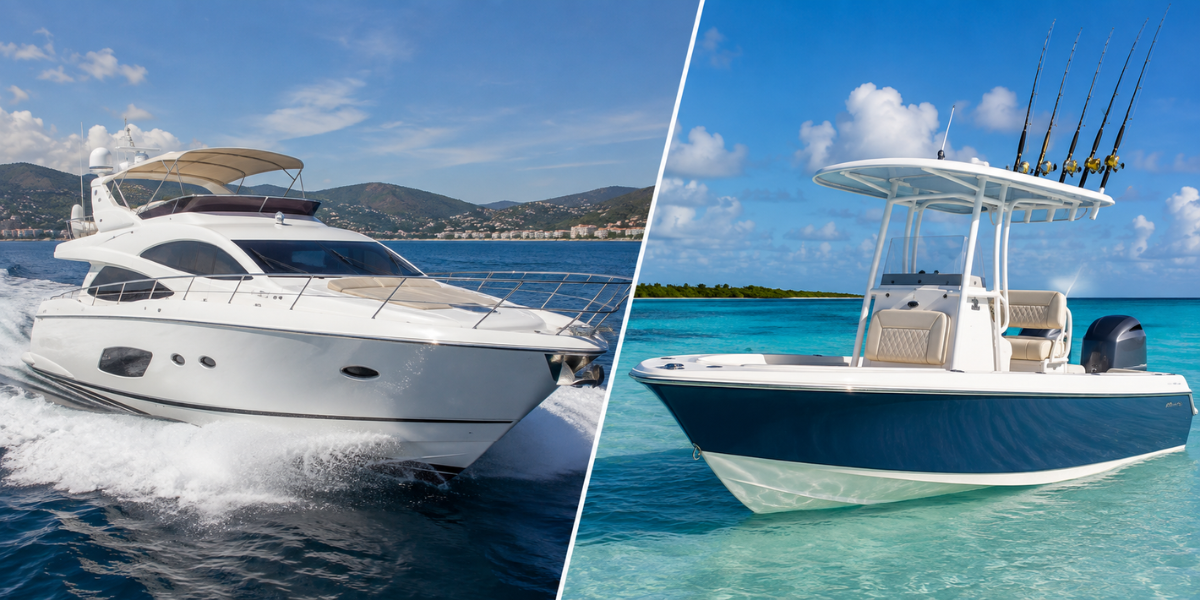
Consequently, boats and marine components can retain a cleaner and more professional appearance even after prolonged outdoor exposure. This is especially valuable for yachts, recreational boats, commercial vessels, and visible composite components.
A Smooth Surface Supports Better Appearance
Marine gelcoat is not only about protection. It also contributes to the visual quality of a finished composite product. A smooth, consistent surface can enhance gloss and colour uniformity. Therefore, manufacturers can achieve a premium appearance while protecting the underlying laminate.
Additionally, a well-finished surface can make routine cleaning easier. This matters because marine equipment regularly encounters salt deposits, dirt, algae, and other contaminants.
Choosing the Right Gelcoat for Marine Applications
Every marine project has different requirements. A recreational boat may need excellent color retention and gloss, while an offshore component may require stronger resistance to demanding environmental conditions. Before selecting a gelcoat for marine applications, manufacturers should consider:
- Operating environment: Determine the level of saltwater, humidity, sunlight, and temperature exposure.
- Composite substrate: Check compatibility with the underlying fiberglass or composite system.
- Processing method: Ensure the gelcoat suits the planned manufacturing process.
- Surface requirements: Consider colour, gloss, texture, and final appearance.
- Performance expectations: Match chemical, weather, and moisture resistance with the application.
As a result, the right formulation can support both manufacturing efficiency and long-term product performance.
Concluding Thoughts
Marine composites offer excellent strength-to-weight advantages, but their exposed surfaces still require protection. Gelcoat for marine applications provides that essential first line of defence.
Ultimately, choosing the right gelcoat is an important step toward building marine composites that look better, perform reliably, and withstand demanding outdoor conditions. With the right formulation and application process, gelcoat can help marine manufacturers achieve a durable surface designed for life on the water.
COMPANY INFO
Website: www.crestresins.com
Phone: +91 9879233188
Email: enquiry@crestresins.com
Address: 605/A, 6th Floor, Tower D, Times Square Grand Office, Sindhubhavan Marg, Near Taj Hotel, Ahmedabad, Gujarat - 380059
