
Discover how Vinyl Ester Resin helps in designing long life FRP structures with superior durability, corrosion resistance, and performance across industries.
Introduction to Vinyl Ester Resin in FRP
Fiber Reinforced Plastic (FRP) has become a preferred material across industries due to its strength and corrosion resistance. However, when long-term durability is required, Vinyl Ester Resin stands out as a superior solution. It combines the toughness of epoxy resins with the ease of polyester processing. As a result, it creates FRP structures that last longer even in harsh environments.
Moreover, industries such as chemical processing, marine, and construction increasingly rely on this technology. This is because structural failures are costly and often dangerous. Therefore, choosing the right resin system becomes critical for long-life performance.
Why Vinyl Ester Resin Enhances Longevity?
- One of the primary advantages of Vinyl Ester Resin is its excellent resistance to corrosion. Unlike traditional polyester resins, it forms a tighter molecular structure. Consequently, fewer pathways are available for water and chemicals to penetrate.
- In addition, these resins provide better thermal stability. Structures exposed to fluctuating temperatures benefit significantly. For instance, tanks and pipelines retain their strength even under continuous thermal stress.
- Another key benefit is fatigue resistance. FRP structures are often subjected to cyclic loads. However, vinyl ester resins absorb these stresses effectively. Thus, cracks and failures are reduced over time.
- Furthermore, low shrinkage during curing ensures dimensional stability. This means that structures maintain their intended shape and strength after fabrication.
Key Design Considerations for Long Life FRP Structures
When designing FRP structures with Vinyl Ester Resin, several factors must be considered carefully.
1. Environmental Exposure
First, it is essential to understand the operating environment. For example, exposure to acids, alkalis, or UV radiation impacts material selection. Therefore, resin formulations should be tailored accordingly.
2. Mechanical Load Requirements
Next, the expected loads must be evaluated. Structures such as storage tanks or walkways experience different stress patterns. Hence, reinforcement design must align with these requirements.
3. Thickness and Layering
Proper laminate thickness plays a crucial role. If the thickness is insufficient, structural integrity may be compromised. On the other hand, excessive thickness increases cost. Thus, a balanced design approach is necessary.
4. Fabrication Techniques
Techniques such as filament winding, hand lay-up, and pultrusion influence the final properties. For instance, filament winding provides uniform strength distribution. Therefore, selecting the right method enhances performance.
Applications of Vinyl Ester Resin in FRP
The versatility of Vinyl Ester Resin Technology allows its use across multiple industries.
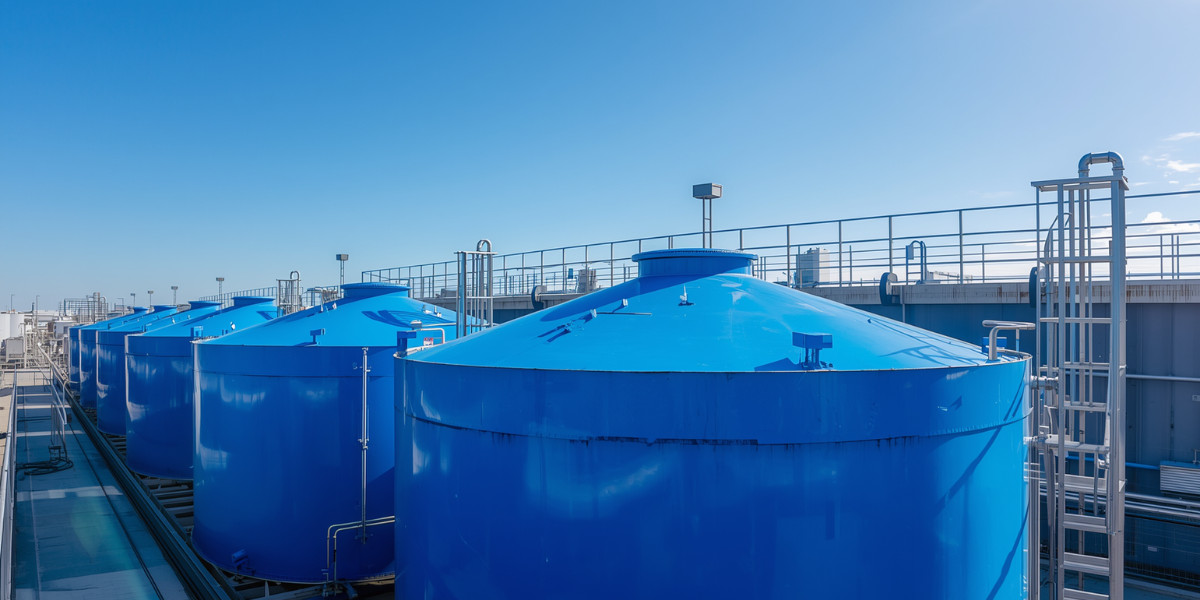
- Chemical Storage Tanks: These structures require high corrosion resistance. Vinyl ester resins ensure longer service life even with aggressive chemicals.
- Marine Structures: Boats, docks, and offshore platforms benefit from moisture resistance. Consequently, maintenance costs are reduced.
- Piping Systems: Industrial pipelines often carry corrosive fluids. Hence, vinyl ester-based FRP pipes offer durability and reliability.
- Construction Components: Bridges and gratings require both strength and weather resistance. Therefore, these resins are widely adopted.
In all these applications, longer life cycles are achieved, which improves overall cost efficiency.
Advantages of Vinyl Ester Resin Over Traditional Resin Systems
- Although polyester resins are widely used, they fall short in demanding environments. In contrast, Vinyl Ester Resin offers a balanced combination of performance and cost.
- Firstly, it provides superior chemical resistance. Secondly, it delivers higher impact strength. Additionally, better adhesion to fibres enhances structural integrity.
- As a result, maintenance frequency is reduced. Over time, this leads to significant cost savings. Therefore, many industries are shifting toward vinyl ester-based solutions.
Challenges and Solutions
- Despite its advantages, certain challenges must be addressed. For instance, vinyl ester resins can be more expensive than polyester resins. However, this initial cost is offset by longer service life.
- Another challenge is proper curing. If curing is not controlled, performance may be affected. Therefore, strict quality control measures must be implemented.
- Additionally, skilled labour is required for fabrication. Yet, with proper training and process optimization, consistent results can be achieved.
Concluding Thoughts
Vinyl Ester Resin plays a vital role in designing long-life FRP structures. It offers excellent corrosion resistance, mechanical strength, and durability. Moreover, it ensures reliable performance in challenging environments.
By considering design factors such as environmental exposure, load requirements, and fabrication methods, engineers can maximize the benefits of this technology. As industries continue to demand longer-lasting materials, vinyl ester resins will remain a key solution.
Ultimately, investing in the right resin system not only improves performance but also reduces lifecycle costs. Therefore, adopting vinyl ester resin technology is a smart and future-ready choice.
COMPANY INFO
Website: www.crestresins.com
Phone: +91 9879233188
Email: enquiry@crestresins.com
Address: 605/A, 6th Floor, Tower D, Times Square Grand Office, Sindhubhavan Marg, Near Taj Hotel, Ahmedabad, Gujarat - 380059
