
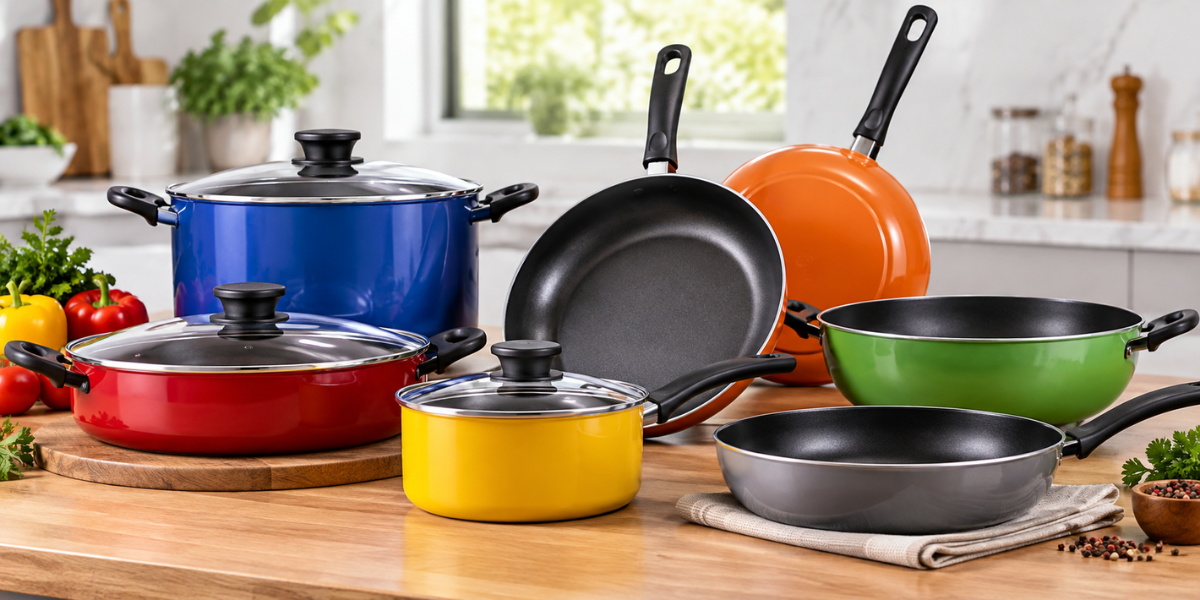
Discover how silicone modified polyester coating enhances heat resistance, durability, and finish quality in pots and pans. Learn why this coating matters for modern cookware.
Introduction: More Than Just a Shiny Finish
What makes a pot or pan stand up to daily cooking? A good design matters, but the coating also plays a key role. Cookware faces repeated heating, cooling, cleaning, and handling. Therefore, its surface must offer a balance of heat resistance, durability, and visual appeal.
Silicone modified polyester coating offers a useful solution for applications that demand a durable finish and reliable performance under heat. By combining polyester resin chemistry with silicone modification, this coating system can help improve the thermal performance and surface properties of cookware.
Moreover, it supports attractive finishes that meet the changing needs of cookware manufacturers. Let’s explore how this coating can take pots and pans beyond ordinary surface protection.
What Is Silicone Modified Polyester Coating?
Silicone modified polyester coating is a coating system based on polyester resin that has been chemically modified with silicone components. Each component contributes to the coating’s overall performance.
Polyester resin helps provide film formation, adhesion, and mechanical properties. Meanwhile, silicone modification can improve heat resistance and support surface durability, depending on the formulation.
As a result, the final coating can offer a balance of performance and appearance. However, the exact properties depend on the resin composition, curing conditions, substrate preparation, and intended application.
For cookware manufacturers, selecting the right coating formulation is essential. After all, the surface must suit the expected service temperature and the conditions in which the product will be used.
Why Silicone Modified Polyester Coating Matters for Pots and Pans?
1. Improved Heat Resistance
Pots and pans are exposed to heat during cooking. Consequently, their exterior finishes must withstand the temperatures expected during normal use.
Silicone modified polyester coating can be designed to provide improved thermal resistance compared with suitable conventional polyester systems. This can help the finish retain its appearance and performance when exposed to repeated heating.
However, heat resistance varies by formulation. Therefore, manufacturers should validate the coating against the actual operating temperatures of the cookware.
2. Durable Surface Performance
Cookware is handled every day. It may experience contact with kitchen surfaces, utensils, storage racks, and cleaning materials. Over time, these conditions can affect the finish.
A well-formulated silicone modified polyester coating can help provide a durable surface. In addition, suitable film properties can support resistance to everyday wear.
Nevertheless, performance depends on coating thickness, curing, pretreatment, and the specific conditions of use. Testing remains important to confirm the expected level of durability.
3. Attractive and Consistent Finishes
Appearance influences cookware design and consumer choice. Manufacturers often seek finishes that look clean, smooth, and consistent across product lines.
Silicone modified polyester coating can be formulated for different colours and surface appearances. Thus, it gives manufacturers flexibility when developing cookware that matches modern kitchen styles.
Furthermore, a consistent coating process helps maintain a uniform finish across production batches. This is especially valuable for brands that need reliable quality across large product volumes.
4. Support for Efficient Manufacturing
Coating performance is only one part of cookware production. Manufacturers must also consider application methods, curing requirements, production speed, and quality control.
A coating system designed for the manufacturing process can help support consistent results. Moreover, compatibility with the selected application and curing process can improve production planning.
Therefore, coating selection should involve both material performance and manufacturing needs. A suitable system must work well on the chosen substrate and fit the production line.
Choosing the Right Silicone Modified Polyester Coating
Not every cookware application has the same requirements. For example, a lightweight pan may have different needs from a heavy-duty cooking pot. Similarly, the exterior finish may face different conditions from the cooking surface.
Before selecting a silicone modified polyester coating, manufacturers should consider:
- Operating temperature: Confirm the expected heat exposure and temperature limits.
- Substrate compatibility: Check adhesion on the selected metal and pretreatment system.
- Finish requirements: Define the desired colour, gloss, and surface appearance.
- Curing conditions: Verify that the coating suits the available production process.
- Durability testing: Assess adhesion, abrasion, and other relevant performance properties.
Importantly, an exterior cookware coating should not automatically be considered suitable for direct food contact. That application requires separate validation and regulatory compliance.
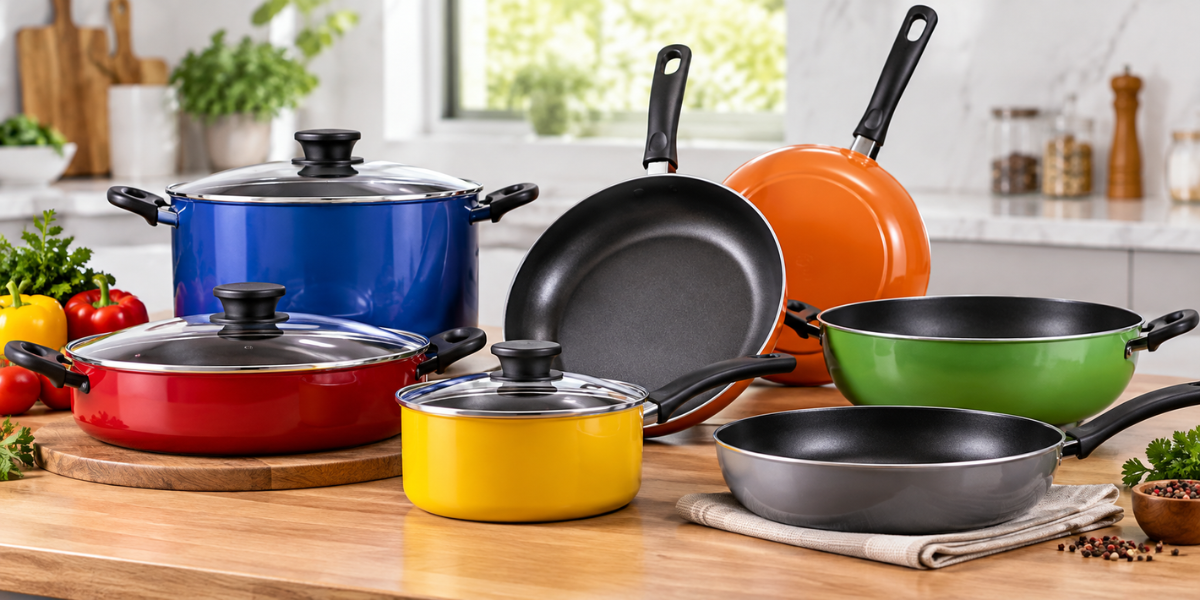
The Future of Cookware Coatings
Cookware manufacturers continue to seek coatings that combine appearance, durability, and reliable performance. At the same time, production efficiency and consistent quality remain important priorities.
In this evolving market, silicone modified polyester coating offers a promising option for suitable exterior pots and pans applications. Its performance potential makes it worth considering when heat resistance and finish quality are key design requirements.
Ultimately, the best results come from matching the coating chemistry to the substrate, operating conditions, and manufacturing process.
Concluding Thoughts
A cookware finish must do more than look attractive. It should also meet the demands of daily use and maintain its intended properties under suitable operating conditions.
Silicone modified polyester coating can help cookware manufacturers achieve this balance through carefully designed resin chemistry and controlled application. With the right formulation and thorough testing, it can support durable, visually appealing finishes for pots and pans.
Beyond ordinary cookware, the right coating brings material science and product design together to create surfaces built for modern kitchens.
COMPANY INFO
Website: www.crestresins.com
Phone: +91 9879233188
Email: enquiry@crestresins.com
Address: 605/A, 6th Floor, Tower D, Times Square Grand Office, Sindhubhavan Marg, Near Taj Hotel, Ahmedabad, Gujarat - 380059
