
Learn about the role of Heat Resistant Coating Resin in protecting metal surfaces from high temperatures, oxidation, thermal stress, and industrial heat damage.
Industrial equipment often works under intense heat. Furnaces, exhaust systems, chimneys, pipelines, boilers, and process equipment can face high temperatures for long periods. Over time, this heat can weaken surfaces, cause oxidation, and reduce equipment life.
Therefore, industries need coatings that can handle demanding thermal conditions. Heat Resistant Coating Resin provides a protective layer that helps surfaces withstand heat while maintaining their performance and appearance.
What Is Heat Resistant Coating Resin?
Heat Resistant Coating Resin is a specialized resin system used to formulate coatings for surfaces exposed to elevated temperatures. It acts as a key component in creating a durable protective film over metal and other suitable substrates.
Unlike ordinary coating systems, heat-resistant formulations are designed to maintain their properties under thermal stress. As a result, they can help protect surfaces from problems linked to repeated heating and cooling.
Depending on the formulation, the coating may also provide resistance to oxidation, corrosion, chemicals, and environmental exposure. Thus, it can offer more than thermal protection alone.
How Does Heat Resistant Coating Resin Protect Surfaces?
Continuous exposure to high temperatures can create several problems. Metal surfaces may oxidize, discolor, lose their finish, or develop surface damage. Furthermore, repeated temperature changes can create thermal stress.
A coating based on Heat Resistant Coating Resin forms a protective barrier between the substrate and its surrounding environment. This barrier can reduce direct exposure to heat and aggressive external conditions.
Moreover, the resin helps bind the coating components together. Once properly cured, the coating can provide a stable and durable film that supports long-term surface protection.
Key Benefits of Heat Resistant Coating Resin
1. High-Temperature Protection
The primary role of Heat Resistant Coating Resin is to support coatings designed for elevated-temperature service. Therefore, it is suitable for equipment that operates close to heat sources.
2. Improved Surface Durability
Heat can accelerate surface deterioration. However, a suitable resin-based coating can create a tough protective layer. Consequently, coated surfaces may maintain their integrity for longer periods.
3. Resistance to Oxidation
High temperatures can accelerate oxidation, especially on exposed metal. Heat-resistant coating systems can help reduce direct contact between the metal surface and the surrounding atmosphere.
4. Protection During Thermal Cycling
Industrial equipment may repeatedly heat up and cool down. This thermal cycling can place stress on coatings and substrates. Therefore, the resin chemistry must be selected carefully to support adhesion and coating stability.
5. Better Equipment Appearance
Thermal exposure can affect the appearance of painted surfaces. Depending on the formulation, heat-resistant coatings can help maintain a more stable surface finish and reduce heat-related discoloration.
Where Is Heat Resistant Coating Resin Used?
Heat Resistant Coating Resin can support many industrial applications where thermal exposure is a concern.
Common areas include:
- Industrial chimneys and stacks
- Exhaust systems
- Furnaces and ovens
- Boilers and heating equipment
- Process pipelines
- Heat exchangers
- Industrial machinery
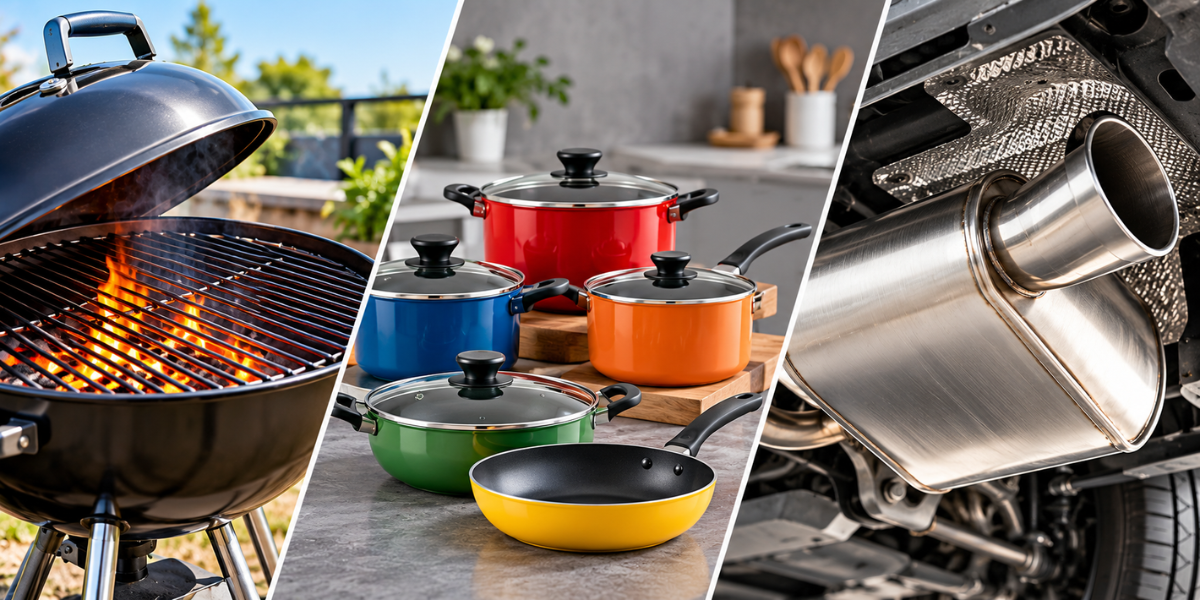
- Automotive components
- Metal structures near heat sources
- Chemical processing equipment
Furthermore, specialized formulations can be developed for different substrates, temperature ranges, and operating environments.
Choosing the Right Heat Resistant Coating Resin
Not every heat-resistant coating is suitable for every application. Temperature is only one factor to consider. The coating must also match the substrate, exposure conditions, application method, and expected service life.
For example, continuous heat exposure can create different demands than occasional temperature spikes. Similarly, a coating used in a chemical plant may require chemical resistance in addition to thermal stability.
Therefore, manufacturers should evaluate the complete operating environment before selecting Heat Resistant Coating Resin. Proper surface preparation and curing are also essential because even a high-performance resin cannot compensate for poor application practices.
Concluding Thoughts
Modern industries continue to push equipment toward higher temperatures and more demanding operating conditions. At the same time, companies want longer service life and lower maintenance requirements.
Heat Resistant Coating Resin helps address these challenges by supporting protective coating systems designed for thermal environments. It can provide a combination of heat resistance, surface protection, durability, and application flexibility.
Ultimately, thermal protection begins with selecting the right coating technology. When the operating environment becomes hot and demanding, a properly formulated Heat Resistant Coating Resin can act as an essential layer of defense against thermal damage.
COMPANY INFO
Website: www.crestresins.com
Phone: +91 9879233188
Email: enquiry@crestresins.com
Address: 605/A, 6th Floor, Tower D, Times Square Grand Office, Sindhubhavan Marg, Near Taj Hotel, Ahmedabad, Gujarat - 380059
