
Discover what is Vinyl ester resin, its key properties, industrial uses, and how its excellent chemical resistance makes it ideal for demanding applications across various industries.
What Is Vinyl Ester Resin?
Vinyl Ester or Vinyl ester resin is a high-performance thermosetting polymer created by reacting an epoxy resin with an unsaturated acrylic or methacrylic acid. This esterification creates a structure, that combines the strength of epoxy chemistry with the faster curing and processing benefits of unsaturated polyester systems.
As a result, vinyl ester resin is widely used when a composite structure needs strength, durability, and resistance to harsh environments. Moreover, it can form strong bonds with reinforcing materials such as glass, and carbon fibres.
Why Is Vinyl Ester Resin Important?
Composite materials are expected to perform for years, often under demanding conditions. Therefore, the resin used in a composite plays a major role in its overall performance.
Vinyl ester resin offers a useful balance of mechanical strength, chemical resistance, and toughness. It can also withstand moisture and many aggressive chemicals better than standard polyester resins. Because of this, it has become a popular choice for applications where long service life matters.
In addition, its relatively low viscosity allows easier wetting of reinforcement fibres. This helps manufacturers create strong and uniform composite parts.
Key Properties of Vinyl Ester Resin
One of the main advantages of vinyl ester resin is its chemical resistance. It is commonly selected for equipment that may face acids, alkalis, solvents, and other aggressive substances.
Furthermore, it provides:
- High mechanical strength
- Good impact resistance
- Strong adhesion to reinforcement materials
- Excellent corrosion resistance
- Good resistance to moisture
- Reliable dimensional stability
- Effective processing with different composite manufacturing methods
Because of these properties, vinyl ester resin can support demanding structural applications while helping extend product life.
Applications of Vinyl Ester Resin
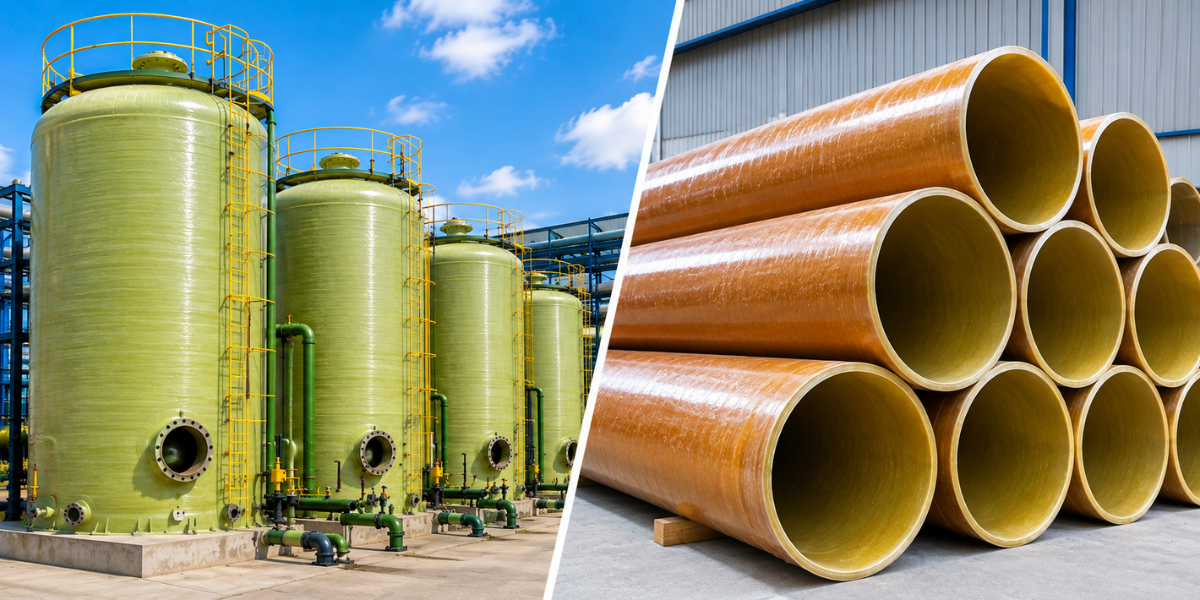
- Vinyl ester resin is used across several industries. In chemical processing plants, it can be used to manufacture storage tanks, pipes, ducts, scrubbers, and other corrosion-resistant equipment.
- Similarly, the marine industry uses it in boat components and other structures exposed to water and harsh conditions. Its resistance to moisture and chemicals makes it suitable for these environments.
- In infrastructure and construction, vinyl ester resin can be used in composite reinforcement systems, gratings, panels, and structural components. Additionally, it is used in automotive, energy, and industrial applications where lightweight yet durable materials are required.
Vinyl Ester Resin and Chemical Resistance
- Chemical exposure can gradually damage conventional materials. However, vinyl ester resin creates a strong polymer network that offers enhanced protection against many corrosive environments.
- This makes it particularly useful for tanks, pipelines, and industrial equipment. Moreover, the right resin grade can be selected according to the chemicals, temperature, concentration, and operating conditions involved.
- Therefore, choosing the correct vinyl ester resin is important. Resin selection should always consider the complete working environment rather than chemical resistance alone.
Why the Resin Supports Long-Lasting Composites?
A composite structure is only as reliable as the materials used to build it. Vinyl ester resin helps create a strong connection between reinforcement fibres and the surrounding polymer matrix. Consequently, the finished composite can deliver a combination of strength, toughness, and environmental resistance.
In addition, its performance can help reduce maintenance and replacement needs over time. This can make composite structures a practical option for industries seeking longer service life and dependable performance.
Choosing the Right Vinyl Ester Resin
Different applications require different resin characteristics. Therefore, manufacturers should consider curing speed, viscosity, chemical exposure, temperature resistance, mechanical requirements, and processing method before selecting a grade.
Ultimately, vinyl ester resin remains an important material for modern composite manufacturing. Its combination of strength, chemical resistance, durability, and processing flexibility makes it a reliable choice for long-lasting composite structures.
Concluding Thoughts
Vinyl ester resin has earned its place as a high-performance material for demanding composite applications. From chemical processing and marine structures to construction and industrial equipment, it provides a valuable balance of durability and resistance. As industries continue to seek lighter, stronger, and longer-lasting materials, vinyl ester resin will remain an important part of advanced composite solutions.
COMPANY INFO
Website: www.crestresins.com
Phone: +91 9879233188
Email: enquiry@crestresins.com
Address: 605/A, 6th Floor, Tower D, Times Square Grand Office, Sindhubhavan Marg, Near Taj Hotel, Ahmedabad, Gujarat - 380059
