
Discover how acrylic resins support automotive and marine coatings with strong gloss, weather resistance, durability, and lasting surface protection.
Modern vehicles and marine vessels face demanding environments every day. Cars deal with sunlight, rain, road dirt, chemicals, and changing temperatures. Boats and marine structures face moisture, salt, UV exposure, and harsh weather. Therefore, coating systems need more than an attractive finish. They need lasting protection.
Acrylic Resins play an important role in coatings designed for these applications. They help formulators develop finishes with good gloss, weather resistance, colour retention, and surface durability. Moreover, their versatility makes them useful across different automotive and marine coating systems.
Why Acrylic Resins Matter in High-Performance Coatings?
A coating acts as a protective layer between the substrate and its surroundings. However, its performance depends greatly on the binder or resin system.
Acrylic Resins can provide a useful balance of appearance and protection. They are valued for their clarity, gloss retention, weather resistance, and compatibility with different formulation requirements. As a result, manufacturers can use them to create coatings for both decorative and protective purposes.
In addition, acrylic systems can be tailored for different substrates and application methods. This flexibility helps coating manufacturers meet specific performance targets.
Acrylic Resins for Automotive Coatings
Automotive coatings must deliver a smooth appearance while protecting the vehicle surface. During daily use, the finish is exposed to sunlight, moisture, road contaminants, cleaning chemicals, and minor surface wear.
Acrylic Resins are widely suited to automotive coating formulations because they can support high gloss and good colour retention. Consequently, the vehicle can maintain a clean and attractive appearance for longer.
They can also contribute to weather resistance, which matters for vehicles exposed to outdoor conditions throughout their service life. Furthermore, acrylic-based systems can be formulated for applications such as topcoats and clear finishes, depending on the required chemistry.
Acrylic resin technology may therefore help coating formulators achieve:
- High gloss and good surface appearance
- UV and weather resistance
- Colour and gloss retention
- Good adhesion when properly formulated
- Resistance to environmental exposure
Because automotive coatings need both appearance and protection, acrylic technology offers formulators a practical platform for developing durable finishes.
Application in Marine Coatings
- Marine environments create a different challenge. Boat surfaces, vessel components, and marine structures can face strong sunlight, humidity, rain, salt spray, and continuous outdoor exposure. Therefore, coating durability becomes critical.
- Acrylic Resins can be used in suitable marine coating systems where appearance, weather resistance, and colour stability are important. Their resistance to outdoor exposure can help the coating maintain its finish despite demanding conditions.
- Moreover, acrylic-based coatings can provide a smooth and attractive surface on selected marine components. This makes them relevant for yachts, boats, superstructures, and other above-water surfaces where aesthetics and exterior durability matter.
- However, marine coating requirements vary by exposure zone. Formulators should select the complete resin and coating system according to factors such as substrate, immersion, chemical exposure, UV intensity, and required service life.
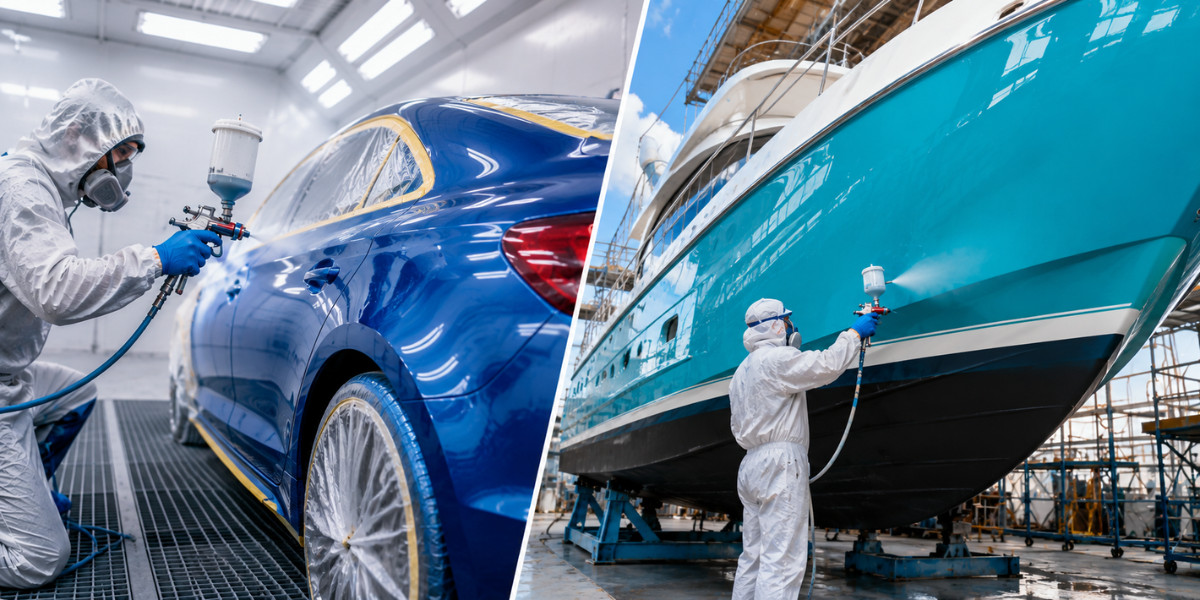
Acrylic Resins Connect Appearance with Durability
Automotive and marine coatings operate in different environments, yet both need surfaces that remain attractive under exposure. This is where Acrylic Resins provide value.
For automotive coatings, they can support gloss, colour retention, weather resistance, and a refined finish. Meanwhile, in marine applications, they can support exterior durability, UV resistance, and lasting appearance on suitable surfaces.
Additionally, formulators can modify coating chemistry to meet specific performance needs. Therefore, acrylic technology offers flexibility across a wide range of industrial coating formulations.
Consideration Before Selecting the Resin
Selecting the right resin requires more than checking one property. Coating manufacturers should consider the substrate, application method, curing conditions, exposure environment, gloss requirement, and expected durability.
For example, an automotive topcoat may prioritize appearance, UV stability, and chemical resistance. In contrast, an above-water marine coating may place greater emphasis on weather resistance, moisture exposure, and long-term colour retention. Therefore, choosing the appropriate Acrylic Resins can help formulators balance performance, processing, and appearance.
Concluding Thoughts
Coatings must protect surfaces while maintaining their visual quality. Acrylic Resins offer a versatile foundation for developing automotive and marine coating systems that demand gloss, weather resistance, colour stability, and durability.
As coating requirements continue to evolve, resin selection remains central to formulation performance. By matching acrylic resin chemistry with the application and exposure conditions, manufacturers can develop coatings that combine attractive finishes with dependable surface protection.
COMPANY INFO
Website: www.crestresins.com
Phone: +91 9879233188
Email: enquiry@crestresins.com
Address: 605/A, 6th Floor, Tower D, Times Square Grand Office, Sindhubhavan Marg, Near Taj Hotel, Ahmedabad, Gujarat - 380059
