
Discover how composite resins improve failure prevention in composite materials by enhancing strength, durability, heat resistance, and long-term structural performance.
Composite materials are widely used in industries such as automotive, aerospace, marine, construction, and electrical manufacturing. They are known for their high strength, lightweight structure, and excellent durability. However, without proper protection and bonding systems, these materials may fail under pressure, heat, moisture, or chemical exposure. Therefore, manufacturers now rely heavily on composite resins for better reliability and long-term performance.
Failure prevention in composite materials has become essential because modern industries demand stronger and safer products. Composite resin technology helps reduce cracking, delamination, corrosion, and structural weakness. As a result, composite structures can perform efficiently even in harsh environments.
Why Failure Prevention in Composite Materials Matters?
Composite materials are exposed to several external and internal stresses during their service life. These stresses may cause material failure if the resin system is weak or unsuitable. In many industries, even a small structural failure can lead to high repair costs and safety risks.
Therefore, using composite resins became important for improving product stability. These resin systems help distribute stress evenly across the composite structure. In addition, they provide excellent bonding between reinforcement fibers and the matrix material.
Because of these benefits, manufacturers can reduce maintenance costs and improve product lifespan significantly.
Common Causes of Composite Material Failure
Several factors contribute to the failure of composite materials. However, most issues can be controlled with the right resin technology.
1. Delamination
Delamination occurs when layers inside a composite structure separate from each other. This usually happens due to poor bonding strength, repeated stress, or impact damage. Composite resins improve interlaminar adhesion and reduce the risk of layer separation.
2. Moisture Absorption
Moisture can weaken composite structures over time. It may reduce strength, create swelling, and damage internal bonding. Therefore, moisture-resistant resin systems are widely used in marine and outdoor applications.
3. Thermal Stress
High temperatures often create expansion and contraction inside composite materials. As a result, cracks and deformation may develop. Heat-resistant composite resins help maintain structural integrity even under extreme temperatures.
4. Chemical Exposure
Industrial chemicals can damage standard composite materials. However, composite resin formulations provide strong chemical resistance and improve durability in aggressive environments.
Role of Composite Resins in Failure Prevention
Composite resins act as the backbone of composite structures. They bind reinforcing materials together and transfer loads throughout the system. Therefore, selecting the correct resin plays a major role in preventing structural failure.
Improved Mechanical Strength
Composite resins increase impact resistance and load-bearing capacity. Because of this, composite components can withstand heavy stress without cracking or deformation.
Better Fiber Bonding
Strong fiber-to-resin bonding improves structural stability. As a result, composite materials become more reliable in demanding applications.
Enhanced Thermal Stability
Many industries operate under high temperatures. Therefore, composite resins are designed to maintain their properties even during thermal exposure.
Superior Chemical Resistance
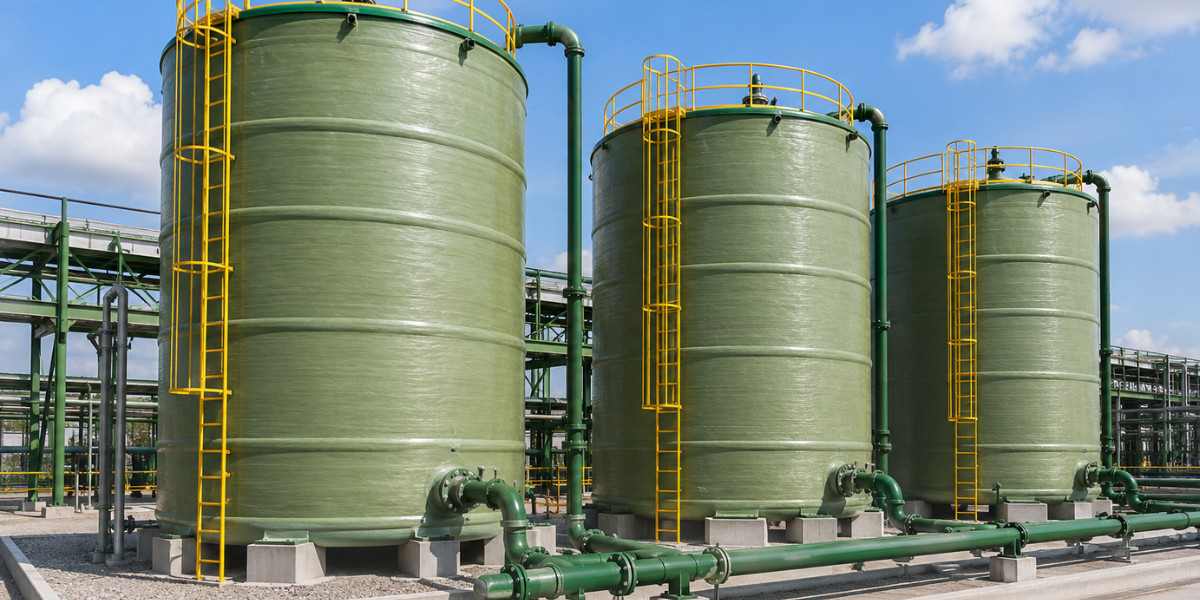
Chemical-resistant resins protect composite materials from corrosion and degradation. Consequently, they are widely used in chemical tanks, pipelines, and industrial equipment.
Industries Benefiting from Composite Resins
Automotive Industry
The automotive industry uses composite materials for lightweight vehicle components. Composite resins help improve impact resistance, fuel efficiency, and structural safety. In addition, they reduce the chances of component failure under vibration and heat.
Aerospace Industry
Aircraft structures require maximum strength with minimum weight. Therefore, aerospace manufacturers use high-performance resin systems to ensure safety and durability.
Marine Industry
Marine environments expose materials to water, salt, and humidity continuously. Composite resins prevent moisture damage and improve the lifespan of boats and marine structures.
Construction Industry
Composite materials are increasingly used in bridges, panels, roofing systems, and infrastructure projects. Composite resins help improve weather resistance and long-term durability.
Key Features to Consider in Composite Resins
Choosing the right resin system is essential for effective failure prevention in composite materials. Manufacturers should evaluate several important factors before selection.
- High mechanical strength
- Excellent adhesion properties
- Moisture resistance
- Thermal stability
- Chemical resistance
- Long-term durability
- Low shrinkage properties
These features help improve overall composite performance while reducing maintenance and repair costs.
Future of Failure Prevention in Composite Materials
The demand for high-performance composite materials continues to grow across industries. Therefore, resin technology is also evolving rapidly. Researchers are developing smart resin systems with self-healing properties and enhanced environmental resistance.
In addition, sustainable resin solutions are becoming popular because industries now focus on eco-friendly manufacturing practices. These innovations will further improve failure prevention capabilities while supporting environmental goals.
Concluding Thoughts
Failure prevention in composite materials is essential for improving safety, durability, and long-term performance. Composite resins play a critical role by enhancing bonding strength, thermal resistance, moisture protection, and chemical stability.
As industries continue to demand stronger and lighter materials, composite resin systems will become even more important. Therefore, manufacturers must choose high-quality resin technologies to ensure reliable composite performance in challenging environments.
By investing in composite resins, companies can reduce structural failures, improve product lifespan, and achieve better operational efficiency across multiple industries.
COMPANY INFO
Website: www.crestresins.com
Phone: +91 9879233188
Email: enquiry@crestresins.com
Address: 605/A, 6th Floor, Tower D, Times Square Grand Office, Sindhubhavan Marg, Near Taj Hotel, Ahmedabad, Gujarat - 380059
