
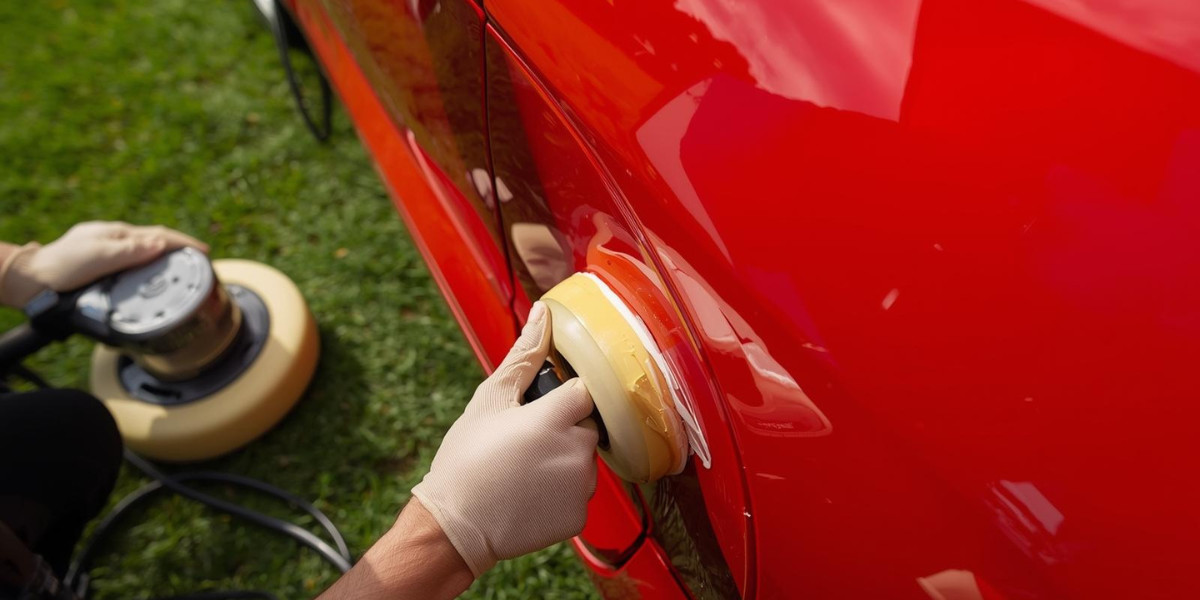
Discover how automotive putty resin supports flawless vehicle surface preparation by improving adhesion, filling imperfections, and ensuring smooth automotive finishes.
A flawless automotive finish begins long before paint is applied. In fact, the quality of the final coating strongly depends on how well the surface is prepared. Small dents, scratches, and uneven areas must first be corrected so that the paint can adhere properly. Therefore, proper surface preparation becomes a critical step in both automotive manufacturing and repair. At this stage, automotive putty resin plays a vital role.
Automotive putty resins help create smooth and uniform vehicle surfaces. They fill imperfections and strengthen the bonding between the substrate and the paint layer. As a result, the final coating appears even, durable, and visually appealing. Without proper filling and levelling, paint defects may occur. Consequently, the overall finish may lose its quality.
Understanding the Role of Automotive Putty Resin
Automotive putty resin is a specialized resin used in automotive body fillers and repair compounds. It forms the core material that provides strength, adhesion, and flexibility to the putty mixture. Because of these characteristics, it becomes highly suitable for repairing damaged vehicle surfaces.
Typically, automotive putty is applied to areas where dents, scratches, or surface irregularities exist. After application, the material is allowed to cure. Once cured, a solid layer is formed and can be sanded easily. As a result, technicians can achieve a smooth and level surface before primer and paint are applied.
Furthermore, this preparation step ensures that coatings perform properly. Therefore, the entire finishing process becomes more reliable.
Why Automotive Putty Resin Is Essential for Surface Preparation?
Surface preparation directly affects the quality of automotive coatings. Even minor surface imperfections can become visible after painting. For this reason, repairing and smoothing the surface beforehand is essential.
This is where automotive putty resin becomes extremely important. First, it improves the filling capability of automotive putty. Small dents and scratches can therefore be corrected efficiently. In addition, the resin improves adhesion between the repair material and the vehicle surface.
Moreover, the material allows smooth sanding after curing. Because of this property, technicians can easily shape the repaired area. Consequently, a uniform and consistent surface is achieved. This smooth base then supports high-quality paint application.
Key Properties
Several performance characteristics make automotive putty resin highly effective for automotive surface preparation. These properties ensure reliable repairs and long-lasting finishes.
Strong Adhesion Properties
Strong adhesion is essential for durable automotive repairs. Automotive putty resin bonds well with metal, fiberglass, and composite materials. As a result, the repair layer remains stable over time. In many cases, strong bonding is required to withstand vibration and mechanical stress. Therefore, reliable adhesion becomes a major advantage.
Easy Sanding and Shaping
Another important property is sanding performance. After curing, the putty layer becomes firm but workable. Consequently, technicians can sand the surface smoothly. Smooth transitions between repaired and original areas can thus be created.
This step is particularly important because uneven surfaces can affect paint appearance. Therefore, proper sanding helps achieve a flawless finish.
Curing Performance Is Better
In automotive workshops and production facilities, time efficiency matters greatly. Fortunately, many automotive putty resin systems offer fast curing properties. Because of this, repair work can move quickly to the next stage.
Once curing is completed, sanding and priming can begin. As a result, the entire repair process becomes more efficient.
Durability to Stay Strong
Automotive surfaces are constantly exposed to challenging conditions. Temperature variations, vibrations, and environmental factors can affect vehicle panels. However, automotive putty resin provides strong mechanical stability.
Therefore, repairs remain durable even under demanding conditions. Over time, this durability supports long-term surface integrity.
Applications of Automotive Putty Resin
The use of automotive putty resin is widespread across the automotive industry. It supports both vehicle manufacturing and repair operations.
Vehicle Body Repair
Automotive repair workshops frequently use automotive putty resin to restore damaged panels. Dents, scratches, and small structural imperfections can be corrected using body fillers. After curing, the surface is sanded and levelled. Subsequently, primer and paint are applied. As a result, repaired panels regain their original smooth appearance.
Automotive Manufacturing
During vehicle production, surface quality is closely monitored. However, minor surface adjustments may sometimes be required before painting. In such cases, automotive putty resin is used to correct imperfections. Therefore, manufacturers can maintain consistent quality across vehicle panels.
Vehicle Refinishing and Restoration
Automotive restoration projects often involve repairing aged or damaged surfaces. Classic vehicles, for example, may require extensive bodywork. In these cases, automotive putty resin helps restore surface smoothness while maintaining structural stability. Consequently, the restored vehicle can achieve a professional finish.
Advantages of Automotive Putty Resin
There are several advantages associated with automotive putty resin in surface preparation processes. First, it improves surface smoothness before paint application. As a result, the final finish appears more refined.
Second, it enhances adhesion between repair layers and coatings. Consequently, paint durability improves significantly. Moreover, the material supports easy sanding, which simplifies repair work.
In addition, automotive putty resin contributes to strong and reliable repairs. Because of these combined benefits, it has become an essential material in modern automotive finishing systems.
Future Trends
The automotive industry continues to evolve with advanced materials and improved technologies. Accordingly, the development of enhanced automotive putty resin formulations is ongoing.
Manufacturers are focusing on faster curing systems and improved flexibility. At the same time, efforts are being made to improve environmental performance. For instance, newer formulations aim to reduce emissions and improve workplace safety.
Therefore, automotive putty resin will continue to play a key role in future vehicle manufacturing and repair processes.
Concluding Thoughts
Achieving a flawless automotive finish requires careful preparation and reliable materials. Automotive putty resin plays a central role by repairing surface imperfections and preparing panels for coating.
Because it offers strong adhesion, easy sanding, and high durability, it supports smooth and uniform surfaces. Consequently, technicians can achieve high-quality paint finishes with greater efficiency.
For both automotive manufacturers and repair professionals, automotive putty resin remains the backbone of effective automotive surface preparation.
COMPANY INFO
Website: www.crestresins.com
Phone: +91 9879233188
Email: enquiry@crestresins.com
Address: 605/A, 6th Floor, Tower D, Times Square Grand Office, Sindhubhavan Marg, Near Taj Hotel, Ahmedabad, Gujarat - 380059
