
Learn why vinyl ester resin is widely used in high-performance composite applications for its corrosion resistance, strength, and long-term durability.
Modern industries rely heavily on composite materials. These materials must remain strong, lightweight, and resistant to harsh conditions. At the same time, they should maintain long-term durability and reliable performance. Therefore, the selection of the right resin system becomes critical.
Among various options, vinyl ester resin has become a preferred solution for high-performance composites. It combines the strength of epoxy systems with the processing benefits of polyester resins. As a result, it provides an ideal balance of mechanical performance, corrosion resistance, and manufacturing efficiency.
Benefits of Using Vinyl Ester Resin
Vinyl Ester Resin Delivers Strong Chemical Resistance
Many industrial environments expose materials to aggressive chemicals. Acids, solvents, and corrosive substances are commonly present in processing plants and storage systems. Because of this exposure, composite structures require strong chemical resistance.
Vinyl ester resin offers a tightly cross-linked molecular structure. This structure limits the penetration of chemicals into the composite surface. Consequently, the risk of chemical damage is reduced significantly.
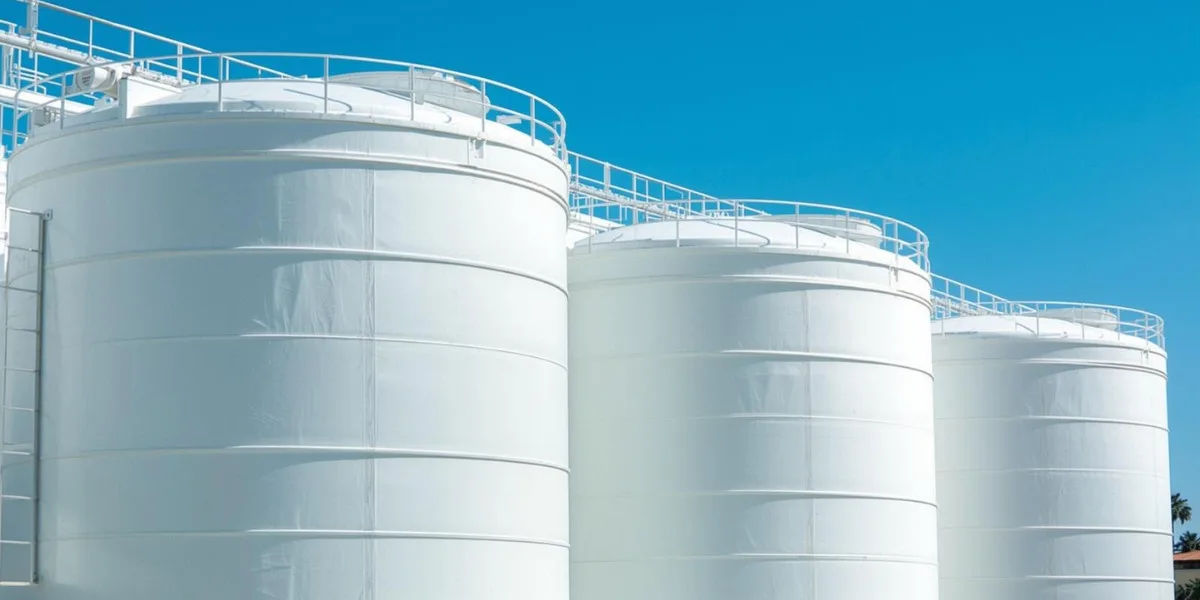
Moreover, storage tanks, pipelines, and chemical processing equipment frequently rely on this resin system. These structures must perform reliably even when exposed to harsh substances. With vinyl ester resin, long-term protection can be achieved while maintaining structural stability.
Vinyl Ester Resin Strengthens Composite Structures
Mechanical strength is another key factor in composite applications. Components are often exposed to stress, vibration, and environmental pressure. Therefore, the resin system must support structural integrity.
Vinyl ester resin provides excellent tensile strength and flexibility. Because of these properties, composite components can withstand mechanical loads without cracking or weakening.
In addition, the resin bonds effectively with reinforcing fibers such as glass fiber and carbon fiber. This strong bond improves the stability of the composite structure. As a result, the overall performance of the component is enhanced.
Some structural stress may still occur during operation. However, the composite structure remains reliable because the resin distributes the load effectively.
Enhanced Corrosion Protection
Corrosion remains one of the biggest challenges in industrial environments. Moisture, chemicals, and environmental exposure can damage materials over time. Consequently, corrosion-resistant materials are essential for many applications.
Vinyl ester resin creates a protective barrier that helps prevent moisture and chemical penetration. This barrier slows down corrosion and protects the underlying structure.
For example, marine equipment and offshore structures often depend on this resin system. These environments involve continuous exposure to saltwater and humidity. Because vinyl ester resin resists these conditions effectively, it helps extend the service life of composite components.
Furthermore, reduced corrosion often leads to lower maintenance requirements. This advantage improves operational efficiency for many industries.
The Resin Provides a Balance Between Performance and Cost
Industries always seek materials that offer high performance without excessive cost. While epoxy resins provide strong performance, they can increase production expenses. Polyester resins are more economical, but their resistance properties may be limited.
Vinyl ester resin provides an effective middle ground. It offers better chemical resistance and durability than many conventional polyester systems. At the same time, it remains more cost-effective than many epoxy formulations.
Because of this balance, manufacturers can achieve reliable performance while maintaining cost efficiency. Consequently, vinyl ester resin continues to gain popularity across multiple industries.
Concluding Thoughts
High-performance composite applications require materials that can withstand demanding environments. Strength, corrosion resistance, and durability are essential for long-term reliability.
Vinyl ester resin successfully delivers these qualities. Its strong chemical resistance protects composite structures from aggressive environments. Meanwhile, excellent mechanical strength supports demanding structural applications. In addition, reliable processing ensures consistent manufacturing results.
For these reasons, vinyl ester resin has become a preferred material for high-performance composites. Industries such as marine, infrastructure, and chemical processing continue to rely on its performance and durability.
COMPANY INFO
Website: www.crestresins.com
Phone: +91 9879233188
Email: enquiry@crestresins.com
Address: 605/A, 6th Floor, Tower D, Times Square Grand Office, Sindhubhavan Marg, Near Taj Hotel, Ahmedabad, Gujarat - 380059
