
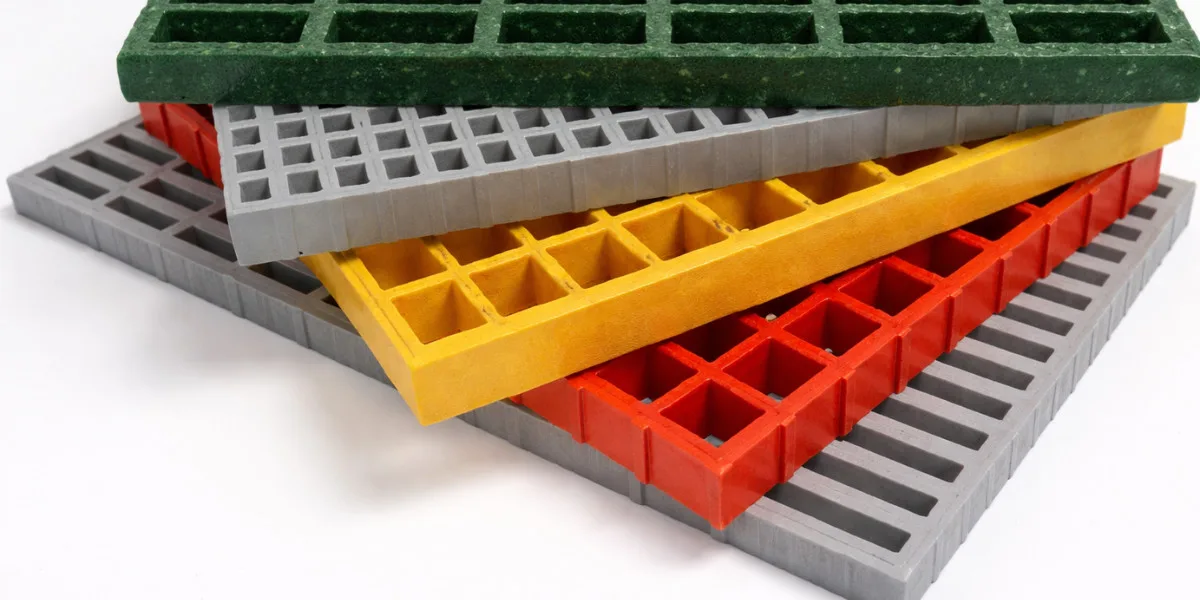
Discover why composite resins are essential for high-performance materials, offering strength, durability, and versatility across industries.
What Are Composite Resins?
Composite resins have transformed modern manufacturing, and they are widely used because they combine strength, flexibility, and durability. In simple terms, these materials are made by combining a resin matrix with reinforcing fibers, and as a result, they deliver superior performance compared to traditional materials.
Today, industries demand materials that are lightweight yet strong; therefore, composite resins have become the preferred choice. From construction to automotive, their role continues to expand, and consequently, their importance keeps growing.
What Makes Composite Resins Unique?
Composite resins stand out due to their structure, as the resin acts as a binder while fibers provide strength. Because of this combination, the material performs better under stress, and it ensures reliable functionality in demanding conditions.
Moreover, these resins are engineered for specific needs, so they can resist heat, chemicals, and corrosion. In addition, they offer design flexibility, which allows complex shapes to be manufactured easily. As a result, manufacturers gain both efficiency and performance, and this is why composite resins are widely adopted.
Advantages of Composite Resins
Strength and Durability in Composite Resins
One of the main reasons composite resins are essential is their strength, and they offer a high strength-to-weight ratio. Therefore, they are ideal for applications where weight reduction matters, while performance must be maintained.
For example, in automotive parts, lighter materials improve fuel efficiency, and similarly, in construction, durable materials ensure long-term reliability. Additionally, composite resins resist wear and tear, and they are not easily damaged by environmental factors. Because of this, maintenance costs are reduced, and over time, this creates significant value.
Versatility Across Industries
Composite resins are used in many industries, and their adaptability makes them highly valuable. In the automotive sector, they help reduce vehicle weight, and as a result, performance improves. In the aerospace field, they provide strength without adding excess weight, which is crucial for efficiency.
Meanwhile, in construction, they are used for corrosion-resistant structures, and even in marine applications, composite resins perform well under harsh conditions. Furthermore, these materials can be customized, so manufacturers can adjust properties based on the application. Therefore, they meet diverse industry needs effectively.
Composite Resins Perform Well in Harsh Conditions
Another key advantage of composite resins is their resistance, as they perform well in challenging conditions. For instance, they resist moisture and chemicals, and because of this, they are suitable for industrial environments. In addition, they maintain stability under temperature changes, which enhances reliability.
Unlike traditional materials, they do not corrode easily, and as a result, their lifespan is extended. This feature makes them a reliable choice for long-term applications, especially where durability is critical.
Design Flexibility and Innovation
Composite resins allow innovative designs, and complex shapes can be produced with ease. Therefore, manufacturers are not limited by traditional constraints, and they can explore advanced product designs.
Moreover, fewer components are needed because parts can be moulded into a single structure, and this reduces assembly time and cost. As a result, production becomes more efficient, while at the same time, product performance improves. This combination continues to drive innovation across industries.
Composite Resins Offer Cost Efficiency in the Long Run
Although the initial cost may be higher, composite resins offer long-term savings, and maintenance costs are lower over time. Repairs are less frequent, and therefore, operational efficiency improves.
In addition, their durability ensures a longer lifespan, which reduces replacement costs. Moreover, efficient manufacturing processes save time, and this leads to better productivity. Over time, businesses benefit from improved cost efficiency and consistent performance.
Sustainability and Future Potential
Sustainability is becoming increasingly important, and composite resins support this trend by contributing to energy efficiency. For example, they reduce weight in applications like vehicles, and as a result, fuel consumption is lowered.
Furthermore, advancements are being made in recyclable resins, and therefore, environmental impact is minimized. Looking ahead, the demand for composite resins will continue to grow, as industries are constantly evolving. Consequently, materials that offer both performance and sustainability will remain in focus.
Final Thoughts
Composite resins are the backbone of high-performance materials, as they provide strength, durability, and versatility. In addition, they support innovation and efficiency across industries.
Because of their unique properties, they are used in multiple applications, and their ability to perform under harsh conditions makes them highly reliable. Ultimately, composite resins are not just materials but solutions that drive modern engineering forward, and as technology advances, their importance will only increase.
COMPANY INFO
Website: www.crestresins.com
Phone: +91 9879233188
Email: enquiry@crestresins.com
Address: 605/A, 6th Floor, Tower D, Times Square Grand Office, Sindhubhavan Marg, Near Taj Hotel, Ahmedabad, Gujarat - 380059
