
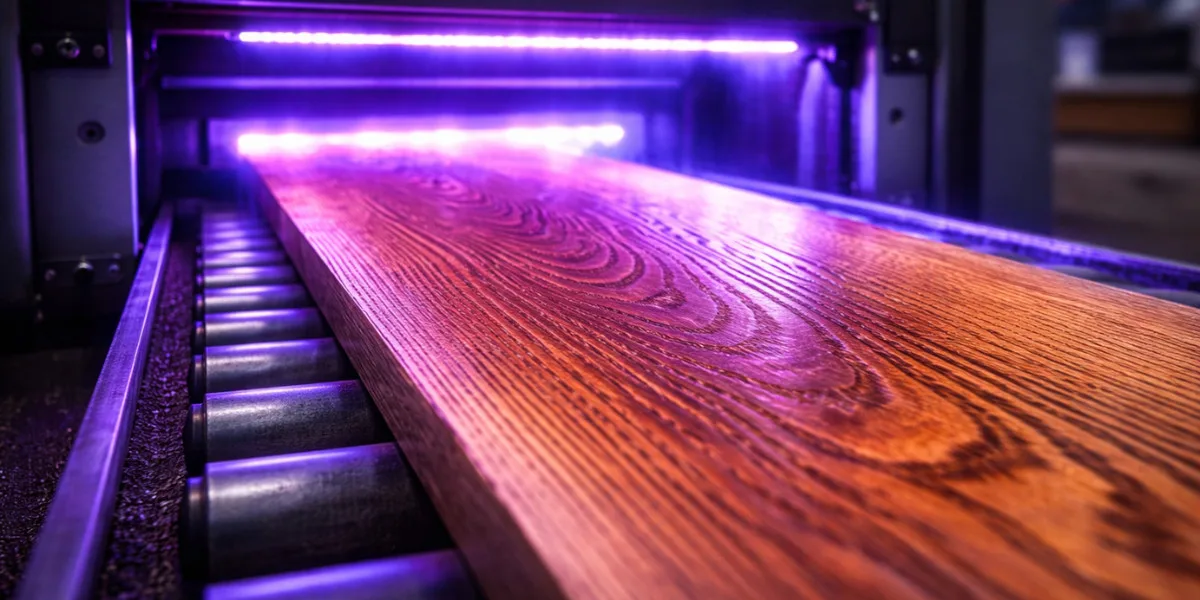
Discover how sustainable UV curable resins are transforming manufacturing with faster curing, lower emissions, and energy-efficient processes. Explore key benefits and latest trends.
Introduction to Sustainable UV Curable Resins
In today’s evolving industrial landscape, sustainability has become more than just a trend, it is a necessity. Among the innovative solutions driving this change, sustainable UV curable resins are gaining significant attention. These advanced materials not only improve production efficiency but also reduce environmental impact.
Unlike traditional thermal curing systems, UV curable resins cure instantly when exposed to ultraviolet light. As a result, energy consumption is significantly reduced, and production cycles are shortened. Therefore, industries are increasingly adopting this technology to meet both environmental and economic goals.
What Makes Sustainable UV Curable Resins Different?
Sustainable UV curable resins stand out because they eliminate the need for high-temperature curing processes. Instead, curing is triggered by UV radiation, which allows manufacturers to save both time and energy.
Moreover, these resins are often formulated with low or zero volatile organic compounds (VOCs). Because of this, harmful emissions are minimized, and workplace safety is improved. In addition, material waste is reduced since precise curing ensures better control over application.
Consequently, manufacturers can achieve high-performance coatings and finishes without compromising sustainability.
Key Benefits of Sustainable UV Curable Resins
1. Energy Efficiency and Faster Production
One of the most notable advantages is the drastic reduction in energy usage. Traditional curing systems require prolonged heating, whereas UV curing happens within seconds. As a result, production lines move faster, and operational costs are lowered.
Furthermore, equipment footprint is reduced, which helps optimize manufacturing space. This efficiency is particularly beneficial for industries aiming to scale operations sustainably.
2. Reduced Environmental Impact
Sustainable UV curable resins contribute significantly to environmental protection. Since little to no VOCs are released, air pollution is minimized. Additionally, carbon emissions are lowered due to reduced energy requirements.
Because of these factors, companies can more easily comply with environmental regulations. At the same time, their brand image is strengthened by adopting greener practices.
3. Superior Product Performance
Not only are these resins eco-friendly, but they also deliver excellent performance. Coatings produced using UV curable resins are known for their durability, chemical resistance, and high gloss finish.
In many cases, better adhesion and scratch resistance are achieved. Therefore, industries such as automotive, electronics, and packaging benefit greatly from their use.
4. Waste Reduction and Material Optimization
Another important benefit is reduced material waste. Since UV curing is highly controlled, excess resin usage is minimized. Moreover, rework rates are lower because defects are reduced.
This means that raw materials are used more efficiently, which supports both cost savings and sustainability goals.
Emerging Trends in Sustainable UV Curable Resins
1. Bio-Based Resin Development
A major trend is the shift toward bio-based raw materials. Manufacturers are increasingly exploring renewable sources such as plant oils and natural polymers.
As a result, dependency on fossil fuels is decreasing. This transition is expected to play a crucial role in achieving long-term sustainability targets.
3. Expansion Across Industries
Sustainable UV curable resins are no longer limited to niche applications. They are now widely used in coatings, inks, adhesives, and 3D printing.
Because of their versatility, industries such as construction, healthcare, and consumer goods are adopting them rapidly. This widespread use is further driving innovation and cost optimization.
4. Regulatory Push and Green Certifications
Governments and regulatory bodies are encouraging the use of environmentally friendly materials. As a result, companies are investing more in sustainable UV technologies.
Certifications and eco-labels are also influencing purchasing decisions. Therefore, businesses that adopt these resins gain a competitive advantage in the market.
Challenges and Future Outlook
Although the benefits are significant, certain challenges still exist. For instance, initial investment costs for UV curing equipment can be high. However, these costs are often offset by long-term savings.
In addition, ongoing research is focused on improving the depth of cure and expanding material compatibility. As technology advances, these limitations are expected to be addressed.
Looking ahead, sustainable UV curable resins will continue to evolve. With increasing demand for eco-friendly solutions, their adoption is expected to grow across multiple industries.
Concluding Thoughts
Sustainable UV curable resins are revolutionizing modern manufacturing. They offer a unique combination of efficiency, performance, and environmental responsibility.
By reducing energy consumption, minimizing emissions, and improving product quality, these resins provide a comprehensive solution for sustainable production. As trends such as bio-based materials and LED curing continue to develop, their impact will only increase.
Therefore, businesses that embrace this technology today will be better positioned for a more sustainable and competitive future.
COMPANY INFO
Website: www.crestresins.com
Phone: +91 9879233188
Email: enquiry@crestresins.com
Address: 605/A, 6th Floor, Tower D, Times Square Grand Office, Sindhubhavan Marg, Near Taj Hotel, Ahmedabad, Gujarat - 380059
