
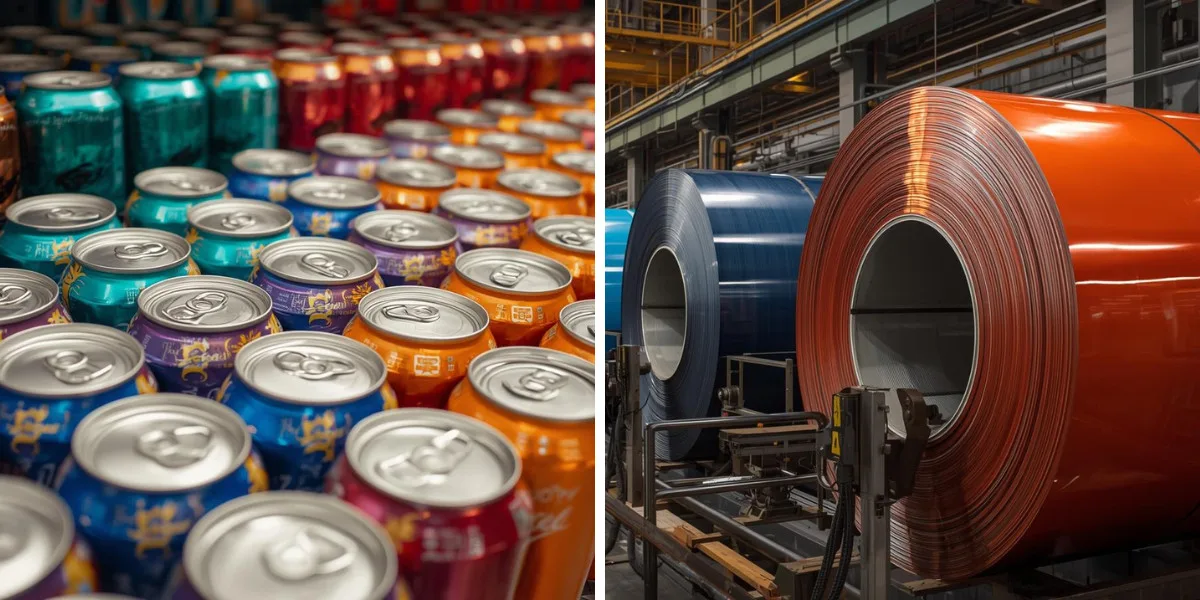
Coating Resins are the backbone of protective and decorative coatings. They determine how a coating performs, lasts, and looks. From industrial machinery to infrastructure, coating resins play a vital role.
Industries demand surfaces that resist heat, chemicals, and wear. Therefore, selecting the right coating resin is critical. Understanding resin types and properties helps ensure long-term performance.
What Are Coating Resins?
Coating Resins are film-forming materials used in paints and coatings. Once applied and cured, they create a continuous protective layer. This layer bonds to the surface and shields it from damage.
Resins control adhesion, hardness, flexibility, and resistance. Because of this, they directly influence coating quality. Although pigments add color, resins provide strength. In industrial coatings, performance depends largely on resin choice.
Types of Coating Resins
There are several types of Coating Resins, each suited for specific needs. Selection depends on environment, substrate, and exposure conditions.
Epoxy Resins
Epoxy resins offer excellent adhesion and chemical resistance. They are widely used in industrial flooring and protective coatings. However, UV resistance is limited.
Polyester Resins
Polyester resins provide good mechanical strength and cost efficiency. They are used in general industrial coatings and composites. Weather resistance is moderate.
Vinyl Ester Resins
Vinyl ester resins combine strength and corrosion resistance. Therefore, they are used in chemical and marine environments. Performance remains stable under harsh conditions.
Silicone-Based Resins
Silicone resins offer high heat resistance. They perform well at elevated temperatures. Because of this, they are used in heat-resistant coatings.
Acrylic Resins
Acrylic resins provide excellent UV resistance and color retention. They are commonly used in architectural and decorative coatings.
Key Properties
Understanding properties is essential when selecting Coating Resins. Each property affects performance differently.
Adhesion ensures the coating stays bonded to the surface. Chemical resistance protects against acids and solvents. Thermal stability allows coatings to perform under heat.
Flexibility prevents cracking during thermal movement. Hardness improves abrasion resistance. Because of this balance, resin formulation is critical.
In many cases, properties are enhanced with additives. As a result, coatings meet specific industrial demands.
Coating Resins in Industrial Applications
Coating Resins are used across a wide range of industries. Each application requires tailored performance.
- In industrial plants, resins protect equipment from corrosion. Chemical tanks and pipelines rely on high-resistance resin systems. As a result, safety and service life improve.
- In construction, coating resins protect steel structures and concrete surfaces. Weather and moisture resistance become essential. Therefore, durability increases.
- In automotive and transportation sectors, resins provide both protection and appearance. Surface finish matters. At the same time, wear resistance is critical.
- Marine applications demand strong corrosion protection. Vinyl ester and epoxy resins are often selected. They withstand saltwater exposure effectively.
Processing and Application Considerations
Ease of application is another advantage of Coating Resins. They can be applied using spray, brush. Curing can be ambient or heat assisted. Because of this flexibility, downtime is reduced. Production planning becomes easier. However, surface preparation is essential. Poor preparation reduces coating life. Therefore, correct application practices must be followed.
Performance Cost and Longevity of Coating Resins
Cost is always a factor. Coating Resins vary widely in price. Polyester and acrylic resins are economical. Epoxy and vinyl ester systems cost more.
However, long-term performance often justifies higher cost. Reduced maintenance and longer service life lower total ownership cost. Therefore, resin selection should focus on long term value, not just price.
Future Trends in Coating Resins
Sustainability is shaping the future of Coating Resins. Low-VOC and eco-friendly systems are gaining attention. Performance remains high while emissions are reduced.
Advanced hybrid resins are also emerging. These offer improved durability and compliance with regulations. As industries evolve, coating resin technology continues to advance.
Final Thoughts
Coating Resins define coating performance, durability, and protection. Different resin types serve different industrial needs. Understanding properties helps in making the right choice.
From corrosion protection to heat resistance, coating resins deliver reliable solutions. For industrial applications, selecting the right resin ensures safety, efficiency, and long-term value.
COMPANY INFO
Website: www.crestresins.com
Phone: +91 9879233188
Email: enquiry@crestresins.com
Address: 605/A, 6th Floor, Tower D, Times Square Grand Office, Sindhubhavan Marg, Near Taj Hotel, Ahmedabad, Gujarat - 380059
