
Can acrylic resin improve coating performance across industries? Learn how it contributes to durable finishes in automotive and marine applications.
Surfaces in the marine and automotive industries face constant exposure to harsh conditions. Automobiles deal with sunlight, rain, dust, temperature changes and road contaminants. Similarly, marine structures and vessels face saltwater, humidity, UV radiation and changing weather conditions.
Therefore, choosing the right coating material is essential for long-term surface protection. Acrylic resin plays an important role in meeting these demands. Its versatile properties make it suitable for different coating formulations across both industries. Moreover, it helps manufacturers develop coatings that balance appearance, durability and functional performance.
Understanding Acrylic Resin in Industrial Coatings
Acrylic resin is widely used in modern coating formulations. It is valued for its weather resistance, colour retention, adhesion and surface finish. Depending on its chemical structure and formulation, it can support different performance requirements.
Furthermore, acrylic resin offers flexibility in coating development. Manufacturers can select suitable resin systems based on application needs, substrate type and environmental exposure. As a result, acrylic resin has become an important component in automotive and marine coating applications.
Acrylic Resin Applications in the Automotive Industry
Automotive coatings must protect vehicle surfaces while maintaining an attractive appearance. From passenger cars to commercial vehicles, every exterior surface requires resistance to environmental stress.
Acrylic resin supports several important coating properties.
1. Weather and UV Resistance
Vehicles remain exposed to sunlight, rain and changing temperatures throughout their service life. Over time, these conditions can affect colour, gloss and surface quality.
Acrylic resin helps improve weatherability in suitable coating formulations. Consequently, it supports better colour retention and helps maintain the vehicle’s exterior appearance.
2. Surface Finish and Gloss Retention
Appearance plays a major role in automotive coatings. A smooth, uniform and glossy finish adds value to the final product. Acrylic resin helps develop coatings with good surface appearance, gloss and colour stability. In addition, the right formulation can provide the desired balance of hardness and flexibility.
3. Adhesion and Durability
Automotive coatings must perform well on different substrates and under varying service conditions. Therefore, adhesion and film durability are important considerations.
Depending on the resin chemistry and formulation, acrylic resin can contribute to coating adhesion, surface hardness and resistance to everyday environmental exposure.
Acrylic Resin Applications in the Marine Industry
Marine environments create some of the toughest conditions for protective coatings. Ships, boats and offshore structures face continuous exposure to moisture, salt spray, sunlight and temperature variations. For this reason, marine coatings require carefully designed resin systems.
1. Protection Against Harsh Weather
Marine vessels operate in environments where sunlight, humidity and changing weather conditions can affect coating performance.
Acrylic resin is used in suitable marine coating formulations to provide weather resistance and maintain surface appearance. Additionally, its UV resistance helps reduce the impact of prolonged sunlight exposure.
2. Colour and Gloss Retention
Maintaining a consistent finish is important for marine vessels and equipment. However, prolonged exposure to sunlight and moisture can lead to surface deterioration.
Acrylic resin helps support colour stability and gloss retention in appropriate topcoat systems. Thus, it contributes to a durable and visually appealing finish.
3. Surface Protection and Performance
Marine coatings must maintain their protective properties under demanding service conditions. Depending on the formulation, acrylic resin can contribute to adhesion, film integrity and resistance to environmental exposure. However, specialised anti-corrosion and antifouling requirements may need additional resin technologies and functional additives.
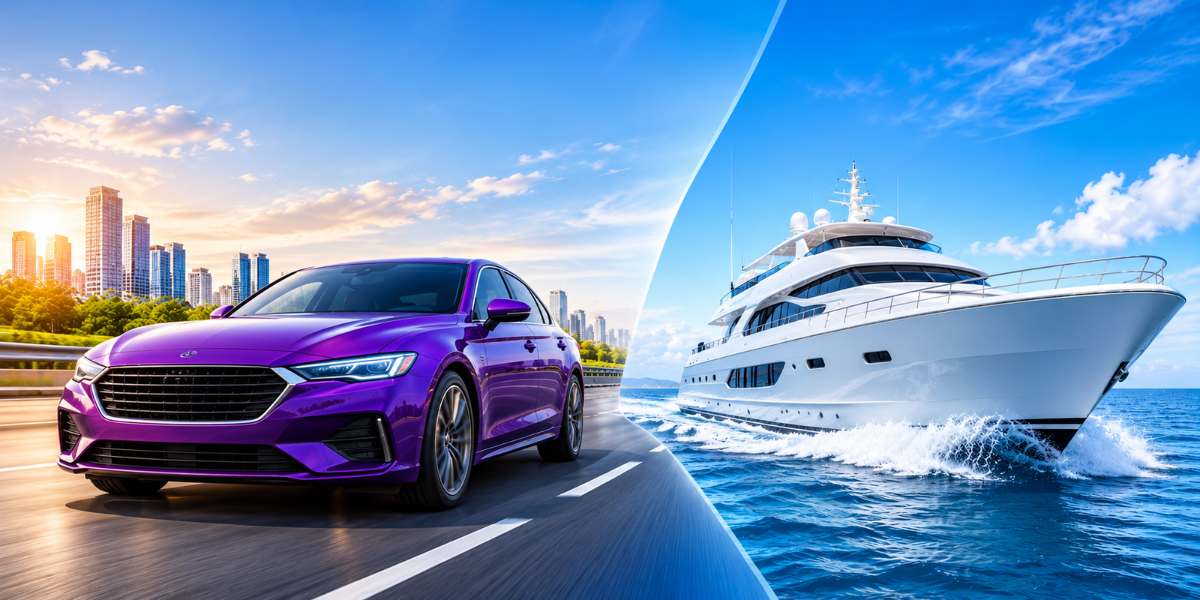
Why Acrylic Resin Is Important Across Both Industries?
Although automotive and marine coatings serve different purposes, they share several performance requirements.
Acrylic resin offers formulation flexibility and can contribute to:
- Weather Resistance: Supports coating performance under changing environmental conditions.
- UV Stability: Helps maintain colour and gloss during sunlight exposure.
- Surface Appearance: Supports smooth finishes and attractive coating properties.
- Adhesion: Contributes to bonding with suitable substrates.
- Durability: Helps develop coatings designed for long-term service performance.
Therefore, selecting the right acrylic resin depends on the intended application, coating technology and required performance standards.
Concluding Thoughts
From automotive exteriors on busy highways to marine vessels operating in challenging waters, coatings play a vital role in protecting surfaces and maintaining their appearance.
Acrylic resin supports these requirements through its versatility, weather resistance and contribution to coating performance. Moreover, its adaptability allows coating manufacturers to develop solutions for different industrial applications.
COMPANY INFO
Website: www.crestresins.com
Phone: +91 9879233188
Email: enquiry@crestresins.com
Address: 605/A, 6th Floor, Tower D, Times Square Grand Office, Sindhubhavan Marg, Near Taj Hotel, Ahmedabad, Gujarat - 380059
