
Discover how heat resistant resin protects coatings from high temperatures, thermal stress, and surface damage while delivering long-lasting industrial performance. Heat is a silent test for industrial coatings. At normal temperatures, many coatings can perform well. However, when temperatures rise, ordinary coatings may soften, crack, discolour, or lose their protective properties. This is where heat resistant resin becomes important.
Designed to withstand elevated temperatures, heat resistant resin helps coatings maintain their strength, adhesion, and surface protection. As a result, industries that work with heat, chemicals, and demanding operating conditions can rely on coatings for longer.
Why High Temperatures Challenge Ordinary Coatings?
Every coating system has a temperature limit. When that limit is exceeded, the resin structure can start to change. The coating may become soft, brittle, or less resistant to chemicals.
For example, industrial equipment near ovens, furnaces, boilers, exhaust systems, and hot processing lines can face continuous thermal exposure. Therefore, the coating must do more than look good. It must protect the surface even when operating temperatures change repeatedly.
Thermal cycling creates another challenge. A surface may heat up during operation and cool down afterward. This repeated expansion and contraction can cause stress within the coating. Over time, cracks or loss of adhesion may appear. That is why selecting the right resin is essential.
Heat Resistant Resin for Reliable Protection
Heat resistant resin is formulated to maintain its performance under elevated temperature conditions. Its ability to handle thermal stress makes it useful for demanding coating applications.
Unlike ordinary coating systems that may lose performance as temperatures rise, heat resistant resin can provide better stability. In addition, it can support strong adhesion and surface protection when the coated material is exposed to heat.
The exact performance depends on the resin chemistry, formulation, curing system, film thickness, substrate, and operating temperature. Consequently, the resin should always be selected according to the actual application.
Where Heat Resistant Resin Makes a Difference
Heat resistant resin can support a wide range of industrial coating applications.
1. Industrial Equipment
Machines used in manufacturing often generate significant heat. Protective coatings based on heat resistant resin can help protect metal surfaces from thermal exposure and environmental damage.
2. Ovens and Furnaces
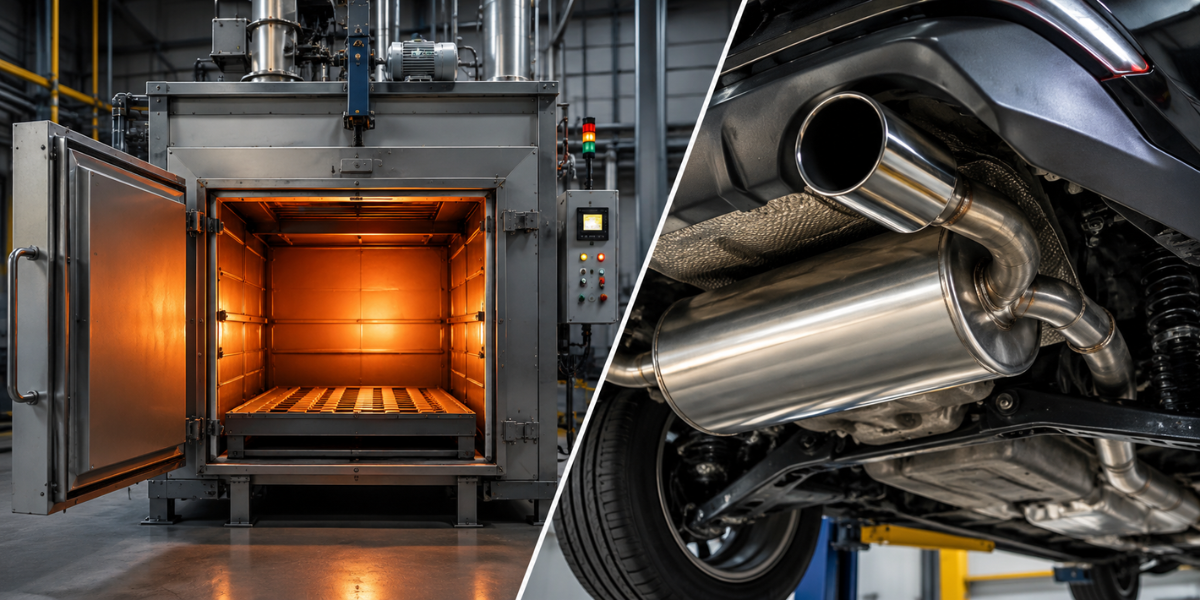
Ovens and furnaces operate under demanding conditions. Their external components and related equipment may need coatings that can tolerate elevated temperatures without rapid deterioration.
3. Automotive and Transportation Components
Vehicles contain components that experience heat from engines, exhaust systems, and other sources. Therefore, heat-resistant coating technologies can help improve surface durability in selected applications.
4. Chemical Processing Equipment
Chemical plants can expose equipment to both heat and aggressive chemicals. In such environments, coating performance becomes especially important because thermal stress and chemical exposure may occur together.
5. Metal Coatings
Metal surfaces can lose protection when conventional coatings fail under heat. A suitable heat resistant resin system can help maintain the protective coating layer and extend surface performance.
Heat Resistant Resin and Long-Term Performance
- A coating should not only survive high temperatures for a short period. Instead, it should maintain useful performance throughout its expected service life.
- For this reason, heat resistant resin can play an important role in reducing premature coating failure. Better thermal stability can help reduce problems such as blistering, cracking, discoloration, and loss of adhesion.
- Moreover, a durable coating can reduce the need for frequent maintenance and recoating. This may help industries save time, reduce downtime, and protect valuable equipment.
- However, heat resistance should never be considered in isolation. A coating may also need resistance to chemicals, moisture, abrasion, corrosion, or outdoor exposure. Therefore, the complete operating environment must be considered before choosing a resin system.
Choosing the Right Heat Resistant Resin
Not every high-temperature application requires the same resin. Temperature range is only one part of the selection process.
Before choosing a heat resistant resin, manufacturers should consider:
- Maximum and continuous operating temperature
- Duration of heat exposure
- Thermal cycling conditions
- Substrate material
- Required adhesion
- Chemical exposure
- Moisture and humidity
- Abrasion or mechanical stress
- Application method
- Desired coating thickness and finish
Additionally, laboratory testing and application trials can help confirm whether the selected formulation meets the required performance.
The Future of Heat-Resistant Coatings
Industrial processes continue to become faster and more demanding. At the same time, equipment is expected to operate efficiently for longer periods. Consequently, coating technology must keep improving.
Heat resistant resin offers an important foundation for coatings designed for these demanding conditions. By combining thermal stability with the right balance of adhesion, durability, and chemical resistance, resin technology can help manufacturers develop coatings that work harder and last longer.
Concluding Thoughts
When ordinary coatings begin to fade, soften, crack, or lose adhesion, the right resin can make a major difference. Heat resistant resin helps coating systems face elevated temperatures while maintaining dependable surface protection.
Ultimately, the goal is simple: a coating should continue working when the operating environment becomes challenging. With the right resin chemistry and formulation, high heat does not have to mean early coating failure.
COMPANY INFO
Website: www.crestresins.com
Phone: +91 9879233188
Email: enquiry@crestresins.com
Address: 605/A, 6th Floor, Tower D, Times Square Grand Office, Sindhubhavan Marg, Near Taj Hotel, Ahmedabad, Gujarat - 380059
