
When materials are exposed to acids, alkalis, solvents, or harsh industrial chemicals, ordinary materials may lose their strength over time. This is where Vinyl Ester Resin offers a major advantage. It combines strong mechanical performance with excellent resistance to many aggressive chemicals.
As a result, Vinyl Ester Resin is widely used in chemical processing, marine, automotive, construction, and industrial applications. Its unique structure helps create durable products that can perform well in demanding environments.
But what makes Vinyl Ester Resin so effective? Let us explore seven important properties that make it a preferred choice for chemical-resistant applications.
Important Properties of Vinyl Ester Resin
1. Excellent Chemical Resistance
- The most important property of Vinyl Ester Resin is its strong resistance to chemicals. It can withstand exposure to many acids, alkalis, solvents, and industrial chemicals.
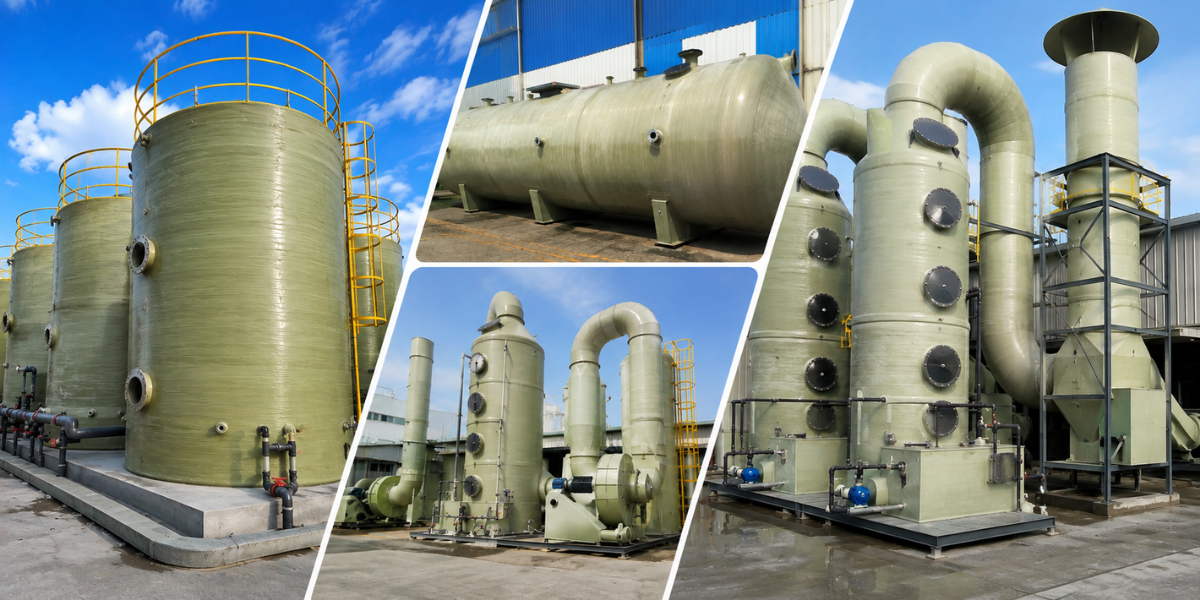
- Therefore, it is often selected for applications where chemical exposure is a daily concern. Tanks, pipes, ducts, scrubbers, and other equipment can benefit from this resistance.
2. Strong Corrosion Resistance
- Corrosion can reduce the life of industrial equipment. However, Vinyl Ester Resin provides a protective barrier against many corrosive environments.
- When properly formulated and processed, it helps protect composite structures from moisture and chemical attack. Consequently, equipment can maintain its performance for a longer period.
3. High Mechanical Strength
- Chemical resistance alone is not enough for demanding industrial applications. Materials also need to handle mechanical stress.
- Vinyl Ester Resin offers a good balance of strength, toughness, and durability. When reinforced with materials such as glass fibre, it can produce strong composite structures.
- Because of this combination, it is suitable for pipes, storage tanks, structural components, and industrial equipment.
4. Low Water Absorption
- Water can gradually affect the performance of many materials. Vinyl Ester Resin has relatively low water absorption, which helps maintain the properties of composite products in wet environments.
- Moreover, this feature makes it useful in marine applications, water-treatment equipment, and chemical processing systems. The material can therefore perform reliably where moisture is present.
5. Excellent Adhesion
- Another useful property of Vinyl Ester Resin is its ability to bond effectively with reinforcing materials. Good adhesion helps create a stronger composite structure.
- For example, when the resin bonds well with glass fibres, stress can be transferred more effectively throughout the finished product. As a result, the composite can offer better overall strength and durability.
6. Good Fatigue Resistance
- Industrial components may experience repeated loading and unloading during normal operation. Over time, this can cause cracks and material failure.
- Vinyl Ester Resin offers good resistance to fatigue when it is correctly formulated and reinforced. Therefore, composite products made with it can handle repeated mechanical stress more effectively.
- This property is especially useful in applications where equipment operates continuously or faces regular vibration and movement.
7. Long-Term Durability
- Finally, Vinyl Ester Resin is valued for its long service life. Its combination of chemical resistance, mechanical strength, corrosion resistance, and low moisture absorption supports long-term performance.
- Furthermore, properly designed resin systems can help reduce maintenance requirements and extend the useful life of composite equipment. This can make Vinyl Ester Resin a practical option for industries looking for reliable material solutions.
Why Choose Vinyl Ester Resin for Chemical Resistance?
Chemical environments can be unpredictable. A material may face chemicals, moisture, pressure, temperature changes, and mechanical stress at the same time. Therefore, selecting a resin with balanced performance is important.
Vinyl Ester Resin provides this balance. It delivers strong chemical resistance while also offering mechanical strength, durability, adhesion, and corrosion protection.
Additionally, its ability to work with different reinforcement systems gives manufacturers flexibility when designing composite products for specific applications.
Applications of Vinyl Ester Resin
Because of these properties, Vinyl Ester Resin is used across several industries. Common applications include:
- Chemical storage tanks
- Industrial pipelines
- Scrubbers and ducts
- Water and wastewater equipment
- Marine components
- Automotive parts
- Industrial flooring
- Composite structures
- Corrosion-resistant equipment
Concluding Thoughts
Vinyl Ester Resin has become an important material for applications that demand both chemical resistance and mechanical performance. Its seven key properties like excellent chemical resistance, corrosion resistance, mechanical strength, low water absorption, adhesion, fatigue resistance, and durability make it suitable for many challenging environments.
Ultimately, the right resin depends on the chemicals, temperature, loading conditions, manufacturing process, and final application. However, when chemical resistance and long-term performance are priorities, Vinyl Ester Resin remains a strong and versatile choice.
COMPANY INFO
Website: www.crestresins.com
Phone: +91 9879233188
Email: enquiry@crestresins.com
Address: 605/A, 6th Floor, Tower D, Times Square Grand Office, Sindhubhavan Marg, Near Taj Hotel, Ahmedabad, Gujarat - 380059
