
Discover how coil coating resin protects metal, improves durability, enhances appearance, and helps manufacturers create high-performance coated metal products.
Metal is strong, versatile, and widely used. However, raw metal needs protection before it can perform in demanding environments. This is where coil coating resin plays an important role. Long before finished Metal reaches a building, appliance, automotive component, or industrial structure, the coating system has already started working.
Coil coating is a continuous process in which metal or other metal coils are cleaned, treated, coated, cured, and rewound. Because the coating is applied under controlled conditions, manufacturers can achieve consistent coverage and finish. As a result, coated metal can offer both functional protection and an attractive appearance.
What Is Coil Coating Resin?
Coil coating resin is a key component used to formulate coatings for metal coils. It helps create the film that protects the metal surface while also providing properties such as adhesion, flexibility, hardness, gloss, and resistance to weathering.
The resin is selected according to the final application. For example, roofing panels may require strong weather resistance, while appliances may need a smooth finish and good scratch resistance. Therefore, the right resin helps the coating meet the performance needs of the finished product.
Why Does Coil Coating Resin Matter?
A metal coating must do more than look good. It must stay attached to the surface and continue to perform after forming, handling, transportation, and long-term use.
This is why coil coating resin is so important.
A well-designed resin system can support:
- Strong adhesion to the metal surface
- Good flexibility during forming
- Resistance to moisture and corrosion
- UV and weather resistance
- Consistent gloss and appearance
- Surface hardness and durability
- Better chemical resistance
- Reliable coating performance
Moreover, consistent resin performance helps coating manufacturers maintain stable production quality.
Advantages of Using Coil Coating Resin on Metal
Coil Coating Resin Supports Efficient Manufacturing
- One of the biggest advantages of coil coating is its continuous production process. Instead of coating individual metal parts, manufacturers can coat large metal coils at high speed.
- The process normally includes cleaning, pretreatment, primer application, curing, topcoat application, and final curing. The coated coil is then inspected and rewound.
- Because each stage is controlled, manufacturers can achieve a uniform coating thickness across large volumes of material. Coil coating resin therefore supports not only product performance but also production efficiency.
Performance Starts Before Fabrication
- After coating, the metal coil may be cut, bent, stamped, or formed into different products. Therefore, the coating must remain intact during these processes.
- A suitable coil coating resin can provide the flexibility and adhesion required for forming operations. At the same time, it needs enough hardness to resist everyday handling and environmental exposure.
- This balance is critical. A coating that is too hard may crack during forming, while one that is too soft may have poor resistance to scratches and chemicals.
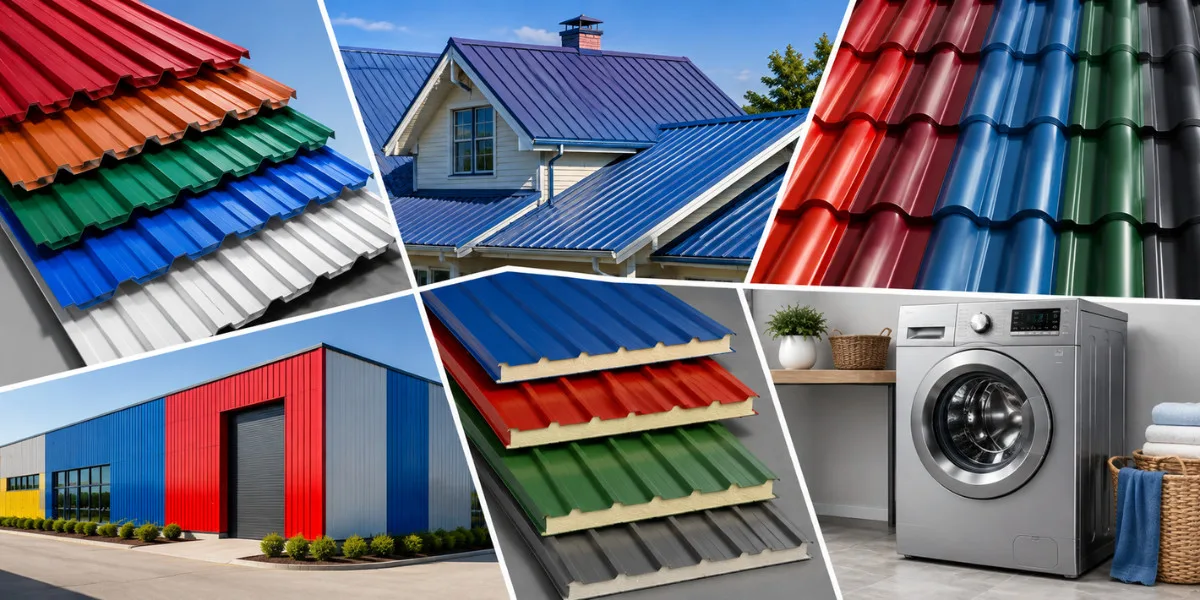
Where Are Coil Coatings Used?
Coil-coated metal is found across many industries. For instance, it is commonly used in:
- Roofing and wall cladding
- Industrial panels
- Garage doors
- Appliances
- HVAC equipment
- Automotive components
- Agricultural structures
- Interior and exterior building products
In each application, the coating has a different job. However, the basic objective remains the same: protect the metal while delivering the required surface performance.
Choosing the Right Coil Coating Resin
Not every coating system requires the same resin. Manufacturers should consider the substrate, application method, curing conditions, forming requirements, and expected service environment.
They should also evaluate factors such as:
- Adhesion: The coating must remain firmly attached to the metal.
- Flexibility: The film should withstand forming without cracking or losing performance.
- Weather resistance: Exterior applications require protection against sunlight, rain, humidity, and temperature changes.
- Surface appearance: Gloss, smoothness, and colour retention can influence the final product.
- Chemical resistance: Industrial applications may require additional resistance to chemicals and contaminants.
Therefore, resin selection should be based on the complete performance requirement rather than a single property.
The Resin Behind Better-Coated Metal
Metal may be the foundation, but its surface protection determines how well it performs in many environments. Before the finished panel, appliance, or structure reaches its end user, the coating system has already taken on an important responsibility.
That is why coil coating resin deserves attention. It helps transform a basic metal surface into a durable, functional, and visually appealing material.
At Crest Resins, our focus on technical expertise and long-term partnership supports coating manufacturers looking for reliable resin solutions for demanding applications. Ultimately, better-coated metal begins with the right chemistry, and that work starts long before the Metal meets the world.
COMPANY INFO
Website: www.crestresins.com
Phone: +91 9879233188
Email: enquiry@crestresins.com
Address: 605/A, 6th Floor, Tower D, Times Square Grand Office, Sindhubhavan Marg, Near Taj Hotel, Ahmedabad, Gujarat - 380059
