
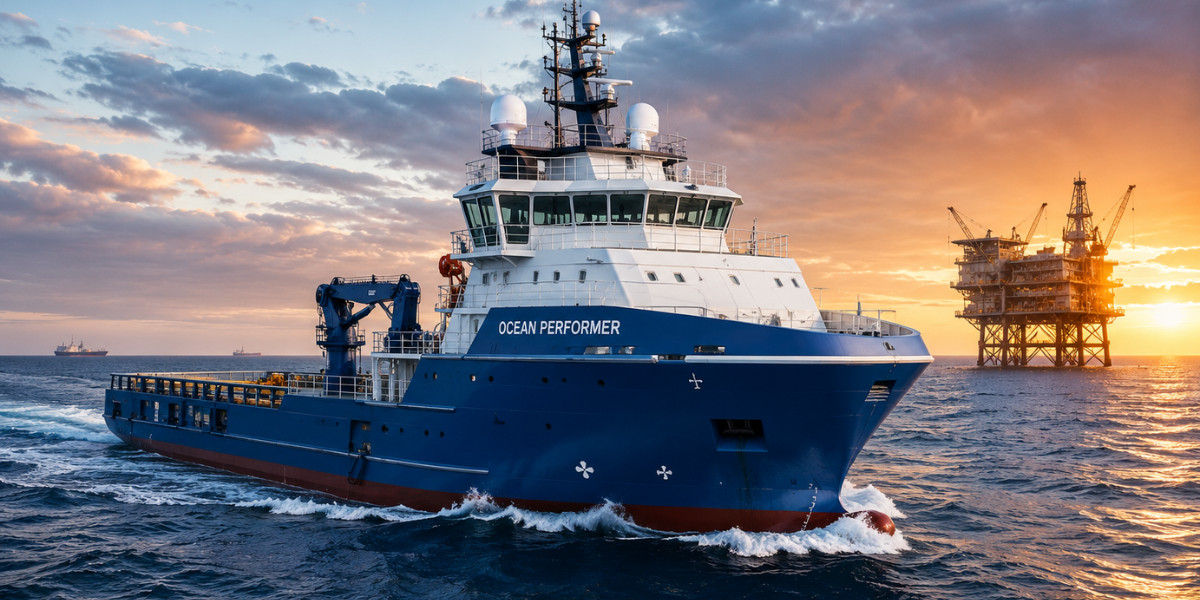
Discover how Vinyl Ester Resin improves failure resistance in industrial applications by offering better corrosion protection, impact strength, and thermal stability than traditional resins.
In modern industries, material failure can lead to costly repairs, downtime, and safety concerns. Therefore, manufacturers focus heavily on selecting reliable composite materials that can survive harsh operating conditions. Among the available options, Vinyl Ester Resin has become a preferred solution because it delivers strong chemical resistance, excellent durability, and long-term structural stability.
Traditional resins such as polyester and epoxy are still widely used. However, failure analysis often reveals that these materials may crack, weaken, or degrade faster under demanding environments. In contrast, Vinyl Ester Resin performs better in many industrial situations, especially where corrosion, heat, and mechanical stress are involved.
Understanding Failure in Composite Materials
Composite materials are designed to provide strength while remaining lightweight. Yet, failures can still occur due to several reasons. These include chemical attack, thermal expansion, moisture absorption, and repeated mechanical stress. As a result, industries constantly study failure patterns to improve product performance.
In many cases, traditional resins fail because they absorb moisture over time. Consequently, this weakens the bond between the resin and reinforcement fibers. Cracks may then appear on the surface, eventually leading to structural breakdown.
On the other hand, Vinyl Ester Resin offers better molecular stability. Because of this, it reduces the risk of premature failure in critical industrial applications.
Why Vinyl Ester Resin Performs Better?
Superior Corrosion Resistance
- One major reason industries prefer Vinyl Ester Resin is its exceptional corrosion resistance. Chemical plants, marine environments, and wastewater facilities expose materials to highly aggressive substances every day. Therefore, the resin used in these environments must resist chemical damage effectively.
- Traditional polyester resins often show signs of blistering, cracking, or surface erosion after long exposure to chemicals. However, Vinyl Ester Resin maintains its structural integrity for a longer period. Moreover, it creates a strong protective barrier against acids, alkalis, and solvents.
- Because of this advantage, industries experience fewer maintenance issues and longer equipment life.
Better Crack Resistance Under Stress
- Mechanical stress is another common cause of material failure. Equipment such as FRP tanks, pipes, and structural panels often face continuous vibration and pressure changes. As stress increases, weaker resins may develop microcracks.
- Although epoxy resin offers good strength, it can sometimes become brittle under certain operating conditions. In comparison, Vinyl Ester Resin provides greater flexibility while still maintaining high mechanical strength.
- As a result, it absorbs impact energy more effectively and reduces crack propagation. Therefore, manufacturers can improve the reliability of composite products used in heavy-duty environments.
Improved Thermal Stability
- Temperature fluctuations can also damage composite structures over time. When materials repeatedly expand and contract, internal stress develops within the resin matrix. Eventually, this process may lead to delamination or surface failure.
- Traditional resins may lose their performance at elevated temperatures. However, Vinyl Ester Resin demonstrates stronger thermal stability and maintains its mechanical properties even in demanding heat conditions.
- Furthermore, this resin performs efficiently in applications involving hot liquids, industrial exhaust systems, and chemical storage tanks. Because of its heat resistance, industries can achieve safer and more dependable operations.
Lower Water Absorption Rate
- Moisture penetration is one of the biggest reasons behind long-term composite degradation. Once water enters the material, it weakens the internal structure and lowers performance.
- Polyester resin generally absorbs more water compared to advanced resin systems. Consequently, components exposed to marine or humid environments may fail earlier than expected.
- In contrast, Vinyl Ester Resin has a lower water absorption rate. Therefore, it protects the composite structure from swelling, blistering, and internal weakening. This feature significantly improves product lifespan in coastal and offshore applications.
Common Applications Where Vinyl Ester Resin Excels
Because of its superior failure resistance, Vinyl Ester Resin is widely used across several industries. These applications include:
- FRP chemical storage tanks
- Marine structures and boat components
- Industrial pipelines
- Wastewater treatment systems
- Automotive composite parts
- High-performance construction panels
In these sectors, long-term durability is critical. Therefore, manufacturers often select Vinyl Ester Resin to minimize operational risks and maintenance costs.
Cost vs Performance Advantage
- Initially, traditional polyester resin may appear more affordable. However, failure analysis often shows that low-cost materials can create higher repair and replacement expenses later.
- Although Vinyl Ester Resin may involve a slightly higher upfront investment, it delivers better lifecycle performance. Additionally, it reduces downtime, maintenance frequency, and unexpected structural failures.
- Because of these long-term benefits, many industries now consider it a cost-effective solution rather than simply a premium material.
Concluding Thoughts
Failure analysis clearly demonstrates why Vinyl Ester Resin outperforms traditional resin systems in demanding industrial environments. Its strong corrosion resistance, superior crack prevention, low water absorption, and excellent thermal stability make it a highly dependable material for modern composite applications.
Moreover, industries that prioritize durability and operational safety continue to adopt Vinyl Ester Resin for critical equipment and structures. As industrial environments become more aggressive, the demand for high-performance resin systems will continue to grow.
Therefore, choosing the right resin today can prevent costly failures tomorrow while ensuring long-term operational success.
COMPANY INFO
Website: www.crestresins.com
Phone: +91 9879233188
Email: enquiry@crestresins.com
Address: 605/A, 6th Floor, Tower D, Times Square Grand Office, Sindhubhavan Marg, Near Taj Hotel, Ahmedabad, Gujarat - 380059
