
Unsure whether to choose Unsaturated Polyester Resin or Vinyl Ester? Learn when to use what based on performance, cost, and durability in industrial applications.
Understanding Unsaturated Polyester Resin vs Vinyl Ester
Selecting the right resin is a key decision in composite manufacturing. Therefore, this guide on Unsaturated Polyester Resin vs Vinyl Ester helps you choose the most suitable option. Both resins are widely used in Fiber Reinforced Plastic (FRP) structures. However, their performance differs depending on the application.
Unsaturated polyester resin is known for its cost-effectiveness and ease of use. In contrast, vinyl ester resin offers enhanced durability and chemical resistance. As a result, industries must evaluate their needs carefully before making a choice.
Moreover, factors such as environment, mechanical stress, and budget influence the final decision. Thus, understanding these materials in detail becomes essential.
Key Differences Between the Two Resins
When comparing Unsaturated Polyester Resin vs Vinyl Ester, several important differences emerge.
1. Chemical Resistance
Vinyl ester resin provides superior resistance to chemicals. It performs well in environments exposed to acids, alkalis, and solvents. On the other hand, unsaturated polyester resin offers moderate resistance. Therefore, it is suitable for less aggressive conditions.
2. Mechanical Strength
Vinyl ester resins have higher strength and flexibility. Consequently, they can withstand impact and stress more effectively. Polyester resins, however, are more brittle. As a result, they may crack under heavy loads.
3. Water and Moisture Resistance
Moisture resistance is better in vinyl ester systems. Water absorption is reduced, which prevents long-term degradation. In comparison, polyester resins may absorb more moisture over time.
4. Cost Factor
Unsaturated polyester resin is more affordable. Therefore, it is widely used in cost-sensitive projects. Vinyl ester resin, although more expensive, offers better long-term value.
When to Use Unsaturated Polyester Resin?
Understanding when to use polyester resin is crucial in the Unsaturated Polyester Resin vs Vinyl Ester comparison.
- Firstly, it is ideal for general-purpose applications. For example, it is commonly used in construction panels, automotive parts, and decorative items.
- Secondly, it works well in environments with low chemical exposure. Structures that are not exposed to harsh conditions can benefit from its cost efficiency.
- Additionally, polyester resin is easy to process. It cures quickly and requires less complex handling. Therefore, it is suitable for large-scale production.
- However, it should be noted that its performance may decline in aggressive environments. Thus, careful evaluation is necessary.
When to Use Vinyl Ester Resin?
Vinyl ester resin is preferred in demanding applications. In the context of Unsaturated Polyester Resin vs Vinyl Ester, it stands out for high-performance needs.
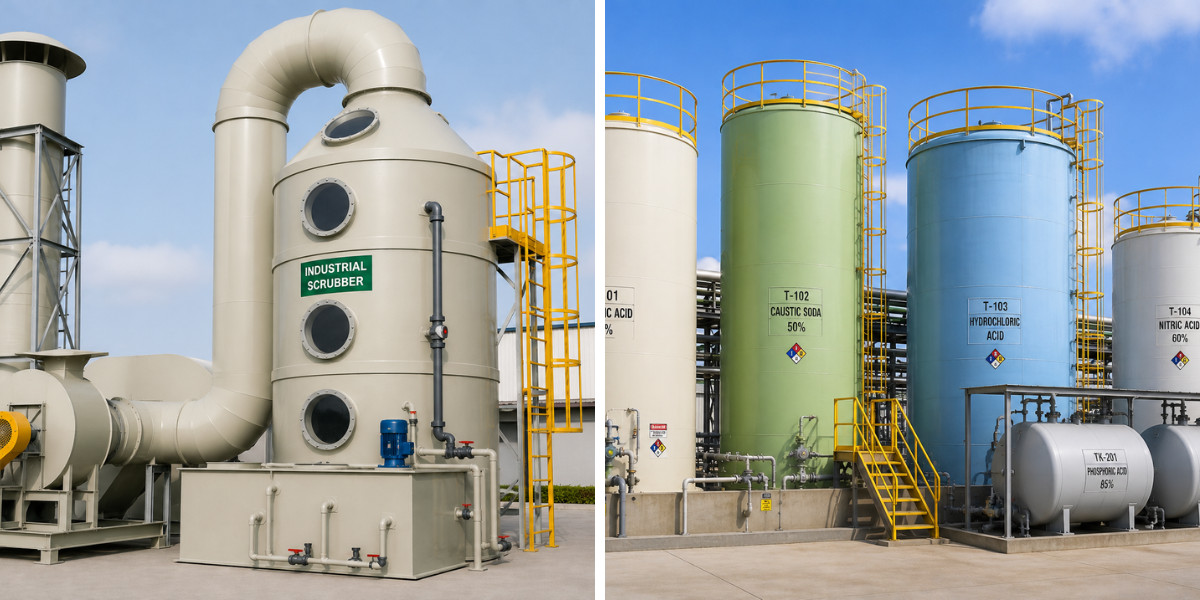
- Firstly, it is widely used in chemical storage tanks and pipelines. These structures require excellent corrosion resistance. As a result, vinyl ester becomes the better choice.
- Secondly, it is suitable for marine applications. Boats and offshore structures benefit from its moisture resistance. Consequently, durability is improved.
- Moreover, vinyl ester resins perform well under mechanical stress. They resist cracking and fatigue effectively. Therefore, they are ideal for load-bearing structures.
Although the initial cost is higher, maintenance costs are reduced over time. Thus, it offers better lifecycle value.
Advantages and Limitations
Both resins have their strengths and limitations.
Unsaturated Polyester Resin
- Cost-effective and widely available
- Easy to process
- Suitable for low to moderate performance needs
However, it has lower chemical resistance and durability.
Vinyl Ester Resin
- Superior chemical and moisture resistance
- Better strength and flexibility
- Longer service life
On the downside, it is more expensive and requires careful handling.
Making the Right Choice
- Choosing between these two materials depends on application requirements. Therefore, the Unsaturated Polyester Resin vs Vinyl Ester decision should be based on performance needs rather than cost alone.
- If the application involves harsh chemicals or high stress, vinyl ester is the better option. On the other hand, if the environment is less demanding, polyester resin provides a cost-effective solution.
- Moreover, long-term performance should always be considered. While polyester may save costs initially, vinyl ester can reduce maintenance expenses over time.
Concluding Thoughts
The comparison of Unsaturated Polyester Resin vs Vinyl Ester highlights the importance of selecting the right material for each application. Polyester resin is suitable for general-purpose and budget-friendly projects. Meanwhile, vinyl ester resin excels in demanding environments requiring durability and resistance.
By understanding their differences and applications, industries can make informed decisions. Ultimately, the right resin choice ensures better performance, longer lifespan, and improved cost efficiency.
COMPANY INFO
Website: www.crestresins.com
Phone: +91 9879233188
Email: enquiry@crestresins.com
Address: 605/A, 6th Floor, Tower D, Times Square Grand Office, Sindhubhavan Marg, Near Taj Hotel, Ahmedabad, Gujarat - 380059
