
Learn how filament winding resins create lightweight yet durable industrial structures, improving strength, efficiency, and long-term performance.
Introduction to Filament Winding Resins
In modern industrial design, the demand for materials that are both strong and lightweight is increasing rapidly. Traditional materials often add weight without delivering optimal performance. Therefore, filament winding resins have become a key solution.
These advanced resins are used in composite manufacturing processes to create high-performance structures. Not only do they reduce weight, but they also improve durability. As a result, industries are shifting toward resin-based composite solutions.
What Are Filament Winding Resins?
Filament winding resins are specialized materials used to bind reinforcing fibers such as glass, carbon, or aramid. During the filament winding process, fibers are coated with resin and wound around a rotating mandrel.
Once the structure is formed, it is cured to achieve strength and stability. Because of this process, a highly uniform and strong composite structure is created. Consequently, these resins play a crucial role in determining the final performance of the product.
How Filament Winding Resins Work?
The effectiveness of filament winding resins lie in their ability to distribute stress evenly across the structure. Firstly, the resin binds fibers together, ensuring structural integrity. Secondly, it transfers loads between fibers, which enhances strength.
Because the fibers are aligned strategically, maximum strength is achieved with minimal material usage. Therefore, efficiency is improved without compromising durability.
Key Benefits of Filament Winding Resins
1. Lightweight Structures
One of the biggest advantages is weight reduction. Compared to traditional materials like steel, composite structures are significantly lighter. As a result, transportation and installation become easier.
2. High Strength and Durability
Despite being lightweight, these structures offer exceptional strength. This is because the load is distributed efficiently through the fibers and resin matrix.
3. Corrosion Resistance
Unlike metals, composite materials do not rust. Therefore, filament winding resins provide excellent resistance to harsh environments, including chemicals and moisture.
4. Design Flexibility
The filament winding process allows for precise control over fiber orientation. Consequently, structures can be customized to meet specific performance requirements.
5. Reduced Maintenance
Since these materials are resistant to environmental damage, maintenance needs are minimized. Over time, this leads to cost savings.
Applications Across Industries
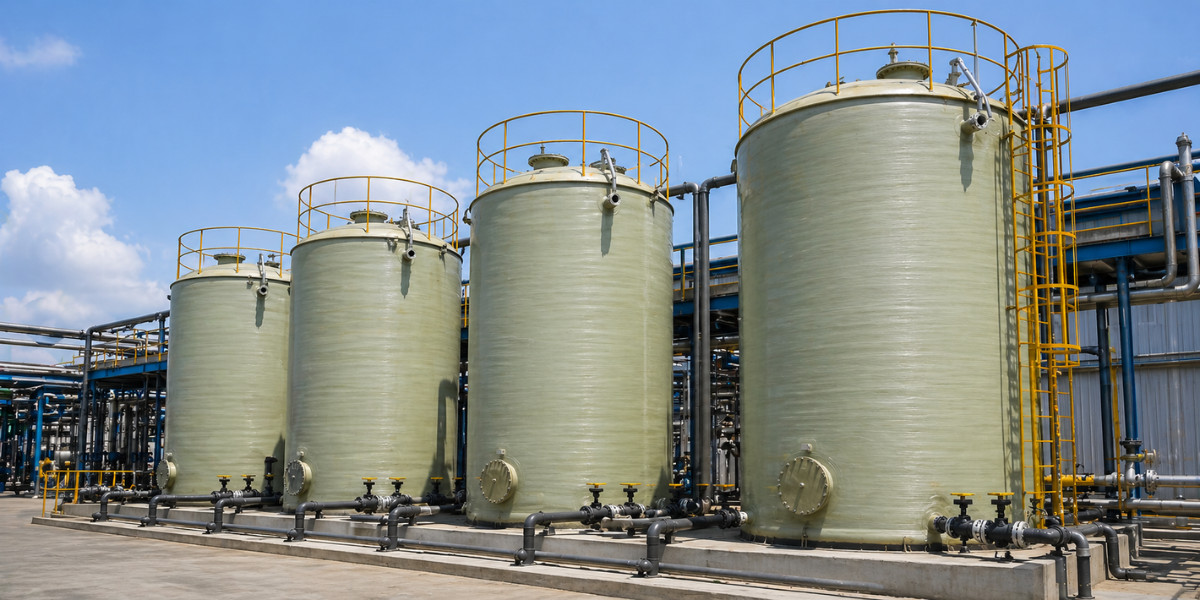
- Filament winding resins are widely used in various industrial sectors. For example, they are essential in the production of pipes and storage tanks. These structures require both strength and resistance to corrosion.
- Similarly, in the energy sector, composite pressure vessels are manufactured using this technology. In addition, industries such as automotive, aerospace, and construction benefit from lightweight composite components.
- Because of their versatility, these resins are becoming a standard choice for high-performance applications.
Why Industries Prefer Filament Winding Resins?
Industries are constantly seeking materials that offer better performance at lower costs. Therefore, filament winding resins are increasingly preferred.
Firstly, they provide consistent quality due to controlled manufacturing processes. Secondly, they enable faster production compared to traditional fabrication methods. Furthermore, they reduce material waste, which improves sustainability. As a result, businesses can achieve higher efficiency while maintaining product reliability.
Emerging Trends in Filament Winding Technology
- The future of filament winding resins is driven by innovation. For instance, new resin formulations are being developed to enhance thermal and chemical resistance.
- Additionally, automation is improving precision and reducing production time. Smart composites with embedded sensors are also being explored. Therefore, future structures will not only be strong but also capable of monitoring their own performance.
- Sustainability is another key focus. Eco-friendly resins are being introduced to reduce environmental impact without compromising quality.
Concluding Thoughts
Filament winding resins are transforming the way industrial structures are designed and manufactured. They enable the creation of lightweight yet highly durable components that meet modern performance demands.
Moreover, these resins offer benefits such as corrosion resistance, design flexibility, and reduced maintenance. As technology continues to advance, their importance will only grow.
Therefore, adopting filament winding resin technology is essential for industries aiming to achieve efficiency, durability, and long-term value.
COMPANY INFO
Website: www.crestresins.com
Phone: +91 9879233188
Email: enquiry@crestresins.com
Address: 605/A, 6th Floor, Tower D, Times Square Grand Office, Sindhubhavan Marg, Near Taj Hotel, Ahmedabad, Gujarat - 380059
