
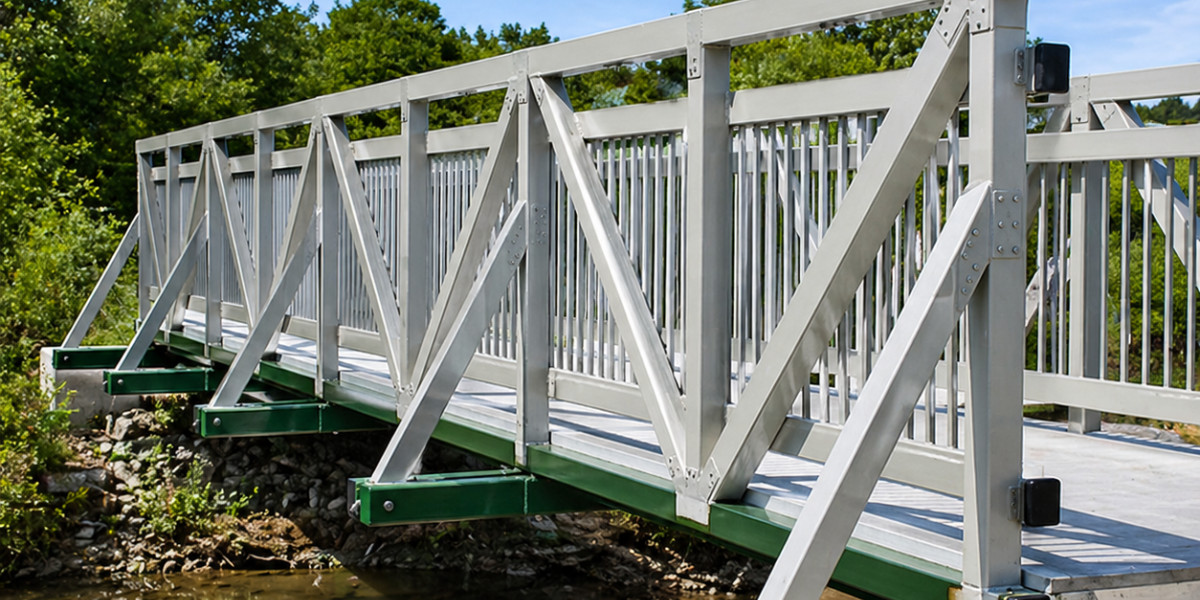
Discover Vinyl Ester Resin uses in industries like marine, construction, and chemicals. Learn how it boosts durability and corrosion resistance.
Vinyl ester resin uses have grown steadily in recent years. This growth is driven by the need for materials that offer both strength and durability. In many industries, traditional materials fail under harsh conditions. However, vinyl ester resin provides a reliable solution.
It combines the best features of epoxy and polyester resins. Therefore, it delivers strong performance while remaining cost-effective. As a result, it has become widely accepted across multiple sectors.
Understanding Vinyl Ester Resin Properties
Vinyl ester resin is known for its excellent resistance to chemicals and moisture. In addition, it offers high tensile strength and flexibility. Because of these properties, it performs well in demanding environments.
Moreover, structures made with this resin are less likely to crack or degrade. As a result, maintenance requirements are reduced. This is why it is often chosen for long-term applications.
Major Vinyl Ester Resin Uses in Different Industries
1. Chemical Processing Industry
- One of the most important vinyl ester resin uses is in chemical plants. Equipment in these environments is constantly exposed to aggressive substances.
- Therefore, vinyl ester resin is used to manufacture storage tanks, pipes, and ducts. It prevents corrosion and chemical damage. Consequently, operational safety is increased while repair costs are minimized.
2. Marine and Offshore Structures
- Marine environments are highly corrosive. Saltwater and humidity can damage materials quickly. However, vinyl ester resin performs well under such conditions.
- It is used in boat hulls, decks, and offshore platforms. Additionally, it reduces the risk of water absorption. Because of this, marine structures remain durable over time.
3. Construction and Civil Engineering
- In construction, durability is critical. Therefore, vinyl ester resin is used in reinforced concrete and structural components.
- It protects steel reinforcement from corrosion. Furthermore, it enhances the life of bridges, industrial floors, and water treatment plants. As a result, infrastructure remains strong even in challenging conditions.
4. Wind Energy and Renewable Sector
- The demand for renewable energy is rising. Consequently, materials used in wind turbines must be both strong and lightweight.
- Vinyl ester resin is used in turbine blades due to its fatigue resistance. In addition, it maintains performance under continuous stress. Therefore, energy systems operate efficiently for longer periods.
5. Automotive and Transportation Components
- In transportation, reducing weight improves fuel efficiency. At the same time, durability must not be compromised.
- Vinyl ester resin is used in panels, structural parts, and protective coatings. It offers a balance of strength and flexibility. As a result, vehicles become more efficient and long-lasting.
6. Protective Coatings and Linings
- Industrial equipment often faces harsh operating conditions. Therefore, protective coatings are essential. Vinyl ester resin is used as a lining material for tanks and machinery.
- It creates a barrier against chemicals and moisture. Consequently, equipment lifespan is extended, and maintenance frequency is reduced.
Benefits Driving Vinyl Ester Resin Uses
Several factors contribute to the increasing adoption of this material:
- Strong resistance to corrosion and chemicals
- High mechanical strength and toughness
- Good thermal stability
- Reduced water absorption
- Easy fabrication process
Because of these advantages, industries prefer vinyl ester resin for critical applications. Additionally, it provides a cost-performance balance that is difficult to match.
Challenges and Considerations
Despite its benefits, vinyl ester resin does have some limitations. For example, it can be more expensive than polyester resin. Also, careful handling is required during processing.
However, these challenges are manageable. In many cases, the long-term savings justify the initial investment. Therefore, it continues to gain popularity.
Future Innovations
The future of vinyl ester resin looks promising. Industries are shifting toward materials that offer durability and efficiency. As a result, demand is expected to increase.
Moreover, ongoing research is improving resin formulations. These advancements will further enhance performance. Therefore, vinyl ester resin will continue to play a vital role in modern engineering.
Concluding Thoughts
Vinyl ester resin uses cover a wide range of industries. From chemical plants to wind energy, its applications are extensive. Because of its strength and resistance, it offers reliable performance in harsh environments.
Although the initial cost may be higher, the long-term benefits are significant. Therefore, it remains a preferred material for many industrial applications. If you need a material that delivers both durability and efficiency, vinyl ester resin is a strong choice.
COMPANY INFO
Website: www.crestresins.com
Phone: +91 9879233188
Email: enquiry@crestresins.com
Address: 605/A, 6th Floor, Tower D, Times Square Grand Office, Sindhubhavan Marg, Near Taj Hotel, Ahmedabad, Gujarat - 380059
