
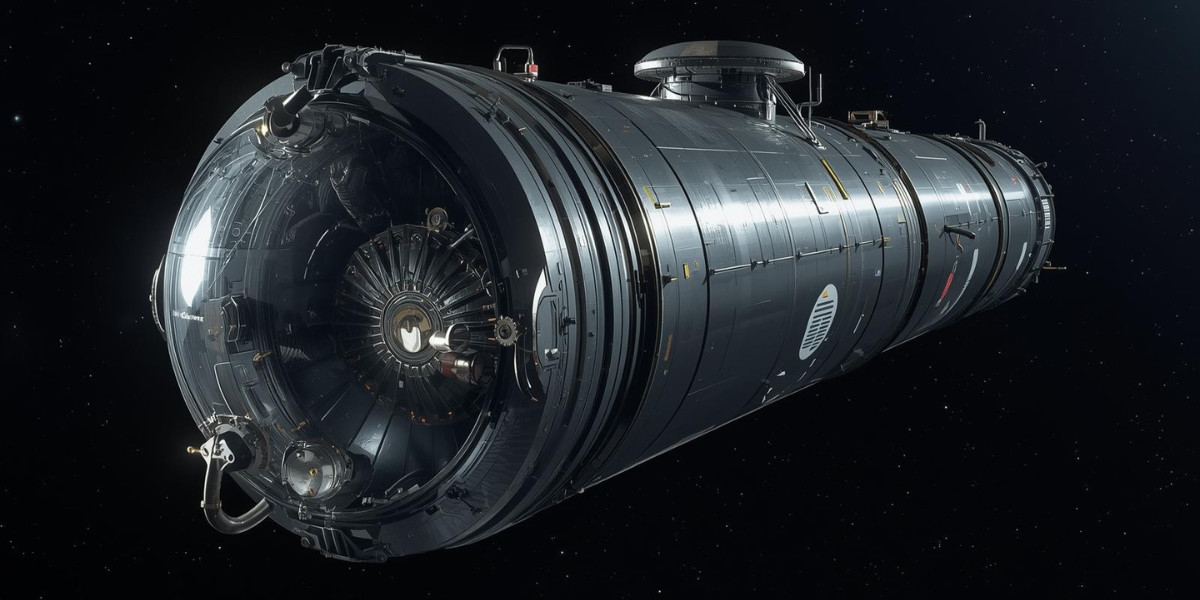
Filament Winding Resin Application enables lightweight, high-strength composite structures for industrial, aerospace, and infrastructure and many more uses.
What Is Filament Winding Resin Application?
Filament Winding Resin Application is a widely used process for producing strong composite components. It involves winding resin-impregnated fibers around a rotating mold. After curing, a dense and durable structure is formed. Therefore, this method is preferred for parts that must handle high stress.
Composites are often selected because they combine strength and low weight. However, manufacturing methods influence performance. Filament winding resin stands out because fiber placement can be controlled precisely. As a result, engineers can design parts with strength exactly where it is needed.
Key Benefits of Filament Winding Application
High Strength-to-Weight Ratio
One major advantage of Filament Winding Resin Application is its exceptional strength relative to weight. Fibers are aligned along stress paths. Because of this, loads are distributed efficiently. Heavy metal parts can often be replaced. As a result, structures become lighter without losing strength.
Material Efficiency
The process uses continuous fibers. Very little excess material is produced. Therefore, manufacturing waste is minimized. In addition, precise resin control reduces consumption. This efficiency helps lower production costs.
Design Flexibility
Different fiber angles can be selected. Thickness can also be adjusted. Consequently, engineers can design components for specific load conditions. Complex performance requirements can be met without complicated assembly.
Structural Uniformity
Layers are wound evenly. Weak joints are avoided. Strength remains consistent across the structure. This uniformity is important for pressure vessels and pipes. Failures are less likely to occur.
Corrosion Resistance
Composite materials do not rust like metals. Chemical resistance is high. Therefore, components last longer in harsh environments. Maintenance needs are reduced.
Repeatable Quality
Because automated systems are used, each part is produced with similar accuracy. Variations are minimized. Reliable performance is achieved across production batches.
Industries Using Filament Winding Application
Aerospace Sector
Aircraft and spacecraft require lightweight yet strong components. Filament-wound structures meet these demands. Fuel tanks, ducts, and pressure vessels are often produced using this method. Weight savings improve fuel efficiency. Consequently, operating costs can decrease.
Oil and Gas Industry
Pipes and storage tanks must withstand pressure and chemicals. Filament-wound composites resist corrosion and stress. Therefore, they are widely used in pipelines and containment systems. Long service life is achieved even in harsh conditions.
Infrastructure and Construction
Structural columns, reinforcement sleeves, and bridge components are sometimes manufactured through filament winding. These parts must support heavy loads. However, they must also resist environmental damage. Composite solutions provide both benefits.
Automotive Manufacturing
Lightweight parts improve vehicle performance. Drive shafts, pressure cylinders, and structural supports can be made using filament winding. Reduced weight leads to better fuel efficiency. At the same time, durability remains high.
Renewable Energy Systems
Wind turbine blades and storage cylinders rely on strong composite materials. Filament winding provides the strength needed to handle stress and rotation. Therefore, it plays a role in modern energy solutions.
Factors Affecting the Filament Winding Resin Performance
Several factors influence the success of Filament Winding Application. Fiber type is important. Glass, carbon, or aramid fibers may be used. Each offers different strength and cost levels. Resin selection also matters. Epoxy, polyester, and vinyl ester resins provide varied resistance properties.
Process parameters must be controlled carefully. Winding tension should be consistent. Temperature must be monitored. If conditions are incorrect, defects may form. Therefore, quality checks are essential during production.
Mandrel design is another key factor. It determines shape and surface finish. In many cases, removable or dissolvable mandrels are used. This approach allows complex shapes to be created.
Comparison with Other Composite Methods
Many composite fabrication techniques exist. Hand lay-up is simple but less precise. Pultrusion is efficient but limited to constant shapes. Filament Winding Application, however, balances automation and flexibility. It produces strong cylindrical or spherical structures with minimal waste. Hence, it is often selected for pressure-resistant components.
Sustainability Advantages of Filament Winding Resin Application
Modern industries aim to reduce material waste and energy use. Filament winding supports this goal. Fiber placement is optimized. Excess trimming is avoided. Moreover, lightweight composites lower transportation energy needs. Environmental impact is therefore reduced over a product’s lifecycle.
Conclusion
Filament Winding Application is a reliable method for producing high-strength composite structures. It offers precision, durability, and efficiency. Moreover, it supports lightweight design while maintaining structural integrity. Because of these advantages, it is widely used across aerospace, energy, automotive, and infrastructure sectors. When properly controlled, this process delivers consistent quality and long-lasting performance.
COMPANY INFO
Website: www.crestresins.com
Phone: +91 9879233188
Email: enquiry@crestresins.com
Address: 605/A, 6th Floor, Tower D, Times Square Grand Office, Sindhubhavan Marg, Near Taj Hotel, Ahmedabad, Gujarat - 380059
