

Acrylic resin shows up in more places than most people realize — the clear coat on a car, the paint on a warehouse wall, the adhesive holding a phone screen together. It’s a family of polymers built from acrylic and methacrylic acid derivatives, and it earns its place in so many products for a simple reason: it resists sunlight, holds its color, and bonds well to almost anything you put it on.
That combination matters more than it used to. Formulators are under pressure to cut VOCs, meet tighter building codes, and make coatings that last longer with less maintenance. Acrylic resin sits at the center of that shift. This guide covers what acrylic resin actually is, how it’s made, where it’s used, and how to think about sourcing it for a real production line — not just the textbook definition.
What Is Acrylic Resin?
Acrylic resin is a broad term for polymers and copolymers made primarily from acrylic acid, methacrylic acid, and their esters — compounds like methyl methacrylate, ethyl acrylate, and butyl acrylate. Chemists sometimes call the group polyacrylates or polyacrylic resins, and depending on the monomer mix and cross-linking, the result can be a thermoplastic (softens on reheating) or a thermoset (cures permanently).
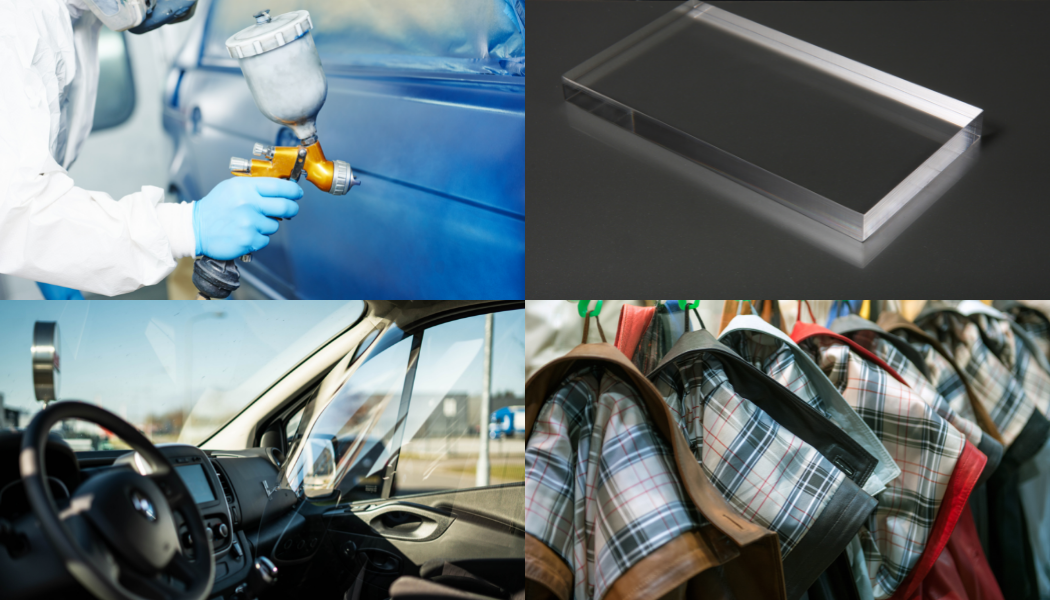
What sets acrylic apart from other polymer families is optical clarity combined with weather resistance. Most transparent plastics get one or the other. Acrylic tends to deliver both, along with strong gloss retention and good adhesion to metal, wood, glass, and many plastics. That’s why it dominates categories where a product has to look good for years, not just at the point of sale — automotive clear coats, architectural paint, and outdoor signage all lean on it for that reason.
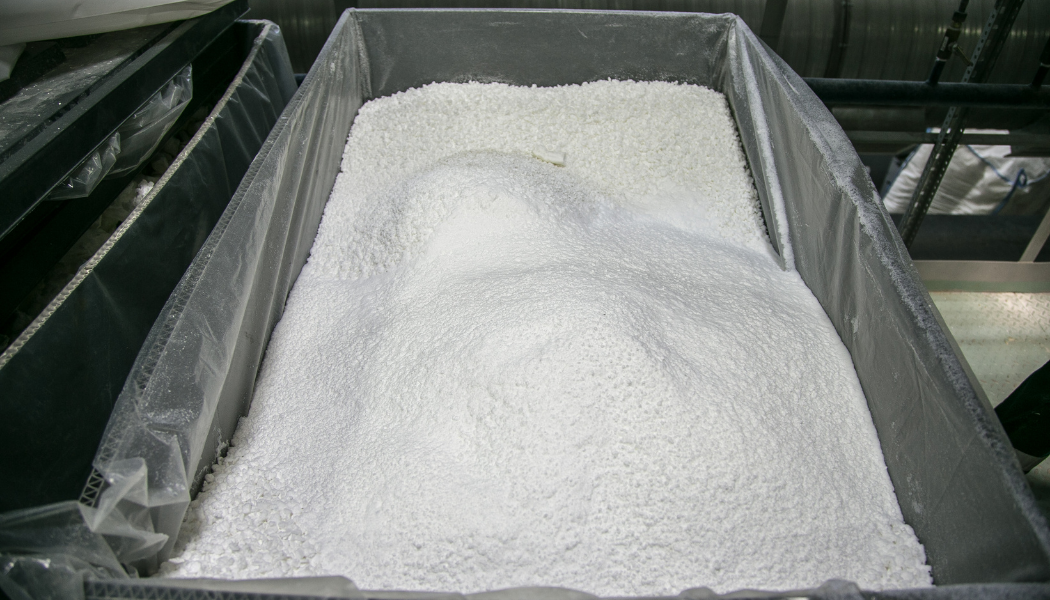
It’s worth separating the resin from the finished plastic. Acrylic sheet (often sold under names like Plexiglas or Perspex) is polymethyl methacrylate cast into rigid form. Acrylic resin, in contrast, is usually supplied as a liquid, dispersion, or solid flake — a raw material that a coatings or adhesives manufacturer formulates into a finished product. This guide focuses on that second category, which is where most industrial buyers actually interact with the chemistry.
A Short History Worth Knowing
Swiss chemist Georg W.A. Kahlbaum first prepared acrylic polymers back in 1880, but the material didn’t become commercially useful until Rohm and Haas began marketing polymethyl methacrylate in Germany in 1927. By the early 1930s, Rohm & Haas, ICI, and DuPont were selling it across Europe and the U.S. as a glass substitute — Plexiglas, Perspex, and Lucite among the early brand names — and as a binder in paints, varnishes, and adhesives.
Liquitex, the first widely sold acrylic emulsion paint, arrived in 1954. Around the same time, Orlon became the first commercial acrylic fiber. Every acrylic coating on the market today traces back to that same core chemistry — decades of formulation work have refined it, but the fundamentals haven’t changed much.
How Acrylic Resin Is Made
Acrylic resin forms through free-radical polymerization: acrylic or methacrylic monomers link into long polymer chains, either alone or copolymerized with other monomers to fine-tune the final properties. Manufacturers control four things during this process to hit a target spec — monomer ratio, molecular weight, glass transition temperature (Tg), and the level of cross-linking.
A resin heavy on methyl methacrylate ends up harder and glossier. Swap in more butyl acrylate and the film turns softer and more flexible. This tunability is the real value acrylic chemistry offers a formulator — a single monomer family can be pushed toward a rigid automotive clear coat or a flexible sealant, just by adjusting the recipe.
Polymerization happens in a few different media, and the choice determines how the resin gets used downstream:
- Solution polymerization — resin dissolved in an organic solvent, common in solvent-borne industrial coatings
- Emulsion polymerization — resin dispersed in water, the basis for most waterborne architectural paints
- Suspension polymerization — produces solid beads or powder, used in powder coatings and molding compounds
- Bulk polymerization — no solvent or water carrier, typically used for cast acrylic sheet
Types of Acrylic Resin
Buyers usually sort acrylic resin along two lines: how it cures (thermoplastic vs. thermosetting) and what carries it (solvent, water, or 100% solids). The table below breaks down the practical differences.
| Type | Cure Mechanism | Typical Carrier | Common Use |
| Thermoplastic acrylic | Solvent evaporation, no chemical cure | Solvent-borne | Automotive refinish, metal coatings |
| Thermosetting acrylic | Cross-links via heat or catalyst | Solvent or waterborne | OEM automotive, appliance coatings |
| Waterborne acrylic emulsion | Coalescence as water evaporates | Water | Architectural paint, wall coatings |
| Acrylic polyol | Reacts with isocyanate (2K systems) | Solvent or high-solids | Industrial and marine topcoats |
| UV-curable acrylate | Polymerizes under UV light | 100% solids | Wood finishing, printing inks |
| Powder acrylic resin | Melts and fuses under heat | Solid powder | Outdoor furniture, appliance housings |
Thermoplastic acrylic resins stay soluble even after the film dries, which makes repair and recoating straightforward — a useful trait in automotive refinish work, where a damaged panel needs a spot repair that blends into the original finish. Thermosetting acrylics, by contrast, form permanent chemical bonds during cure and hold up better against solvents and chemical exposure, which is why OEM automotive and heavy-duty industrial lines favor them despite the extra process control they require.
Key Properties That Make Acrylic Resin Valuable
A handful of properties explain why formulators reach for acrylic resin over alternatives:
- UV and weather resistance. Acrylic doesn’t yellow or chalk the way many other binders do under prolonged sun exposure — a property verified in accelerated weathering tests such as ASTM D4587, which exposes coating panels to cycles of UV light and condensation to simulate years of outdoor service.
- Optical clarity. Acrylic resin can exceed 90% light transmission, which is why it’s the binder of choice for clear coats and optically demanding films.
- Fast drying and film formation. Waterborne acrylic emulsions coalesce into a continuous film at room temperature, which shortens production cycles compared with slower-curing alkyds.
- Chemical and abrasion resistance. Cross-linked acrylics resist a broad range of solvents, acids, and everyday wear, which matters for industrial equipment and high-traffic surfaces.
- Adhesion versatility. Acrylic resin bonds to metal, wood, glass, concrete, and most plastics without heavy surface prep.
- Color and gloss retention. Acrylic films hold their original color and sheen for years outdoors — one reason architectural coatings formulators lean on it for exterior work, a topic covered in more depth in Crest’s piece on acrylic coating weatherability and color retention.
Acrylic Resin vs. Epoxy vs. Polyester Resin
Engineers frequently have to choose between acrylic, epoxy, and polyester resin for a coating or composite project, and the right pick depends on the exposure conditions more than any single “best” material.
| Property | Acrylic Resin | Epoxy Resin | Polyester Resin |
| UV resistance | Excellent | Poor — chalks and yellows outdoors | Fair to good |
| Chemical resistance | Good | Excellent | Good |
| Flexibility | Good | Fair — can be brittle | Fair |
| Cure speed | Fast | Slow to moderate | Moderate |
| Typical use | Outdoor coatings, clear coats | Tank linings, flooring, structural bonding | Composites, gel coats, marine parts |
| Cost | Moderate | Higher | Lower to moderate |
Epoxy generally wins on raw chemical resistance and adhesion strength, which is why it dominates tank linings and structural bonding. But epoxy chalks and yellows under UV exposure, so it rarely goes on an exterior surface without a topcoat. Acrylic resin fills that gap — it’s the material of choice whenever a coating has to sit in direct sunlight for years and still look presentable. For a deeper side-by-side, Crest’s engineering team put together a full comparison in acrylic vs. epoxy resins: 7 critical differences for engineers.
Where Acrylic Resin Is Used
Paints, Coatings, and Adhesives
This is acrylic resin’s biggest market by far. Water-based architectural paints, industrial maintenance coatings, and pressure-sensitive adhesives all rely on acrylic emulsions or solutions for their combination of durability and workability. Crest’s guide on what resin is used for across everyday and industrial applications covers how acrylic stacks up against other resin families in this space.
Automotive and Transportation
Acrylic clear coats and basecoats protect vehicle paint from UV degradation, road salt, and stone chips, while staying flexible enough to handle the vibration and temperature swings a car body experiences daily. Acrylic putty and filler resins also show up in body-shop refinishing work, where fast recoat times matter.
Building and Construction
Exterior wall coatings, elastomeric roof coatings, and textured finishes lean on acrylic for weatherability and crack-bridging flexibility. Crest’s write-up on acrylic resins in architectural exterior coatings walks through how formulators balance film flexibility against long-term adhesion on masonry and stucco.
Industrial Machinery and Metalwork
Acrylic coatings protect machine housings, structural steel, and equipment enclosures from corrosion, chemical splash, and UV exposure in outdoor industrial settings. This is a segment where acrylic’s balance of hardness and flexibility outperforms more brittle alternatives — a case Crest makes in detail in acrylic resins in industrial machinery and metalwork.
Textiles, Leather, and Fabric Finishing
Acrylic binders give fabric coatings their hand-feel, water repellency, and colorfastness, and they’re common in synthetic leather and technical textile finishing.
Electronics, Optical, and Display Applications
High-clarity acrylic resin goes into optical films, display coatings, and light-guide components where transparency and low haze matter more than mechanical strength.
Signage, Glazing, and Display Cases
Cast acrylic sheet and acrylic coatings both show up in retail signage, museum display cases, and architectural glazing — anywhere a product needs the look of glass without the weight or fragility.
Acrylic Resin Market Trends in 2026
The global acrylic resin market continues its steady climb. Estimates vary by scope and methodology, but the direction is consistent: Mordor Intelligence pegs the market at roughly 7.13 million tons in 2026, growing at a 3.99% CAGR toward 8.67 million tons by 2031, with Asia-Pacific accounting for just over half of global volume and expanding faster than the overall market. Value-based estimates from other research firms point the same direction, with growth driven largely by construction and coatings demand.
Three forces are shaping the market right now:
- The waterborne shift. Tightening VOC rules in North America and Europe continue pushing formulators from solvent-based to water-based acrylic systems, a trend most research firms expect to keep gaining share through the decade.
- Construction demand. Multi-year infrastructure programs in China, India, and the United States are translating into rising coatings and panel demand, and the EU’s building renovation targets add further pull on the European side.
- Bio-based feedstocks. Producers are investing in bio-based acrylate monomers to hedge against petrochemical price swings and meet sustainability commitments from downstream customers.
Regulatory and Sustainability Considerations
Acrylic resin sits inside a regulatory framework that’s tightened steadily over the past two decades. In the United States, the EPA’s Architectural Coatings Rule limits the volatile organic compound content that manufacturers can put into architectural coatings sold or distributed nationally, and states like California enforce stricter limits on top of the federal floor. This is the single biggest reason waterborne acrylic emulsions have displaced solvent-based systems in exterior paint over the last twenty years.
On the raw-material side, some acrylic monomers carry their own regulatory attention. Methyl methacrylate — one of the most widely used acrylic monomers in paints, adhesives, and coatings — has been under review by ECHA’s Committee for Risk Assessment over its classification as a respiratory sensitizer, which is a reminder that raw monomer handling and finished-resin performance are two different safety conversations. Reputable suppliers document both.
Weathering performance itself is standardized rather than left to marketing claims. ASTM D4587 defines a fluorescent UV-condensation exposure test that alternates UV light with condensation cycles to simulate outdoor weathering, giving formulators and buyers a repeatable way to compare coating durability before a product ever goes outside.
How to Choose the Right Acrylic Resin Supplier
Not every acrylic resin performs the same way once it’s in a formulation, so the sourcing decision matters as much as the chemistry. A few things worth checking before committing to a supplier:
- Consistency batch to batch. Viscosity and molecular weight drift between lots can throw off an entire production run.
- Technical documentation. A supplier should hand over full property data — Tg, solids content, VOC content, and recommended cure schedule — without you having to ask twice.
- Formulation support. The best resin suppliers work alongside your R&D team to tune a resin for your specific substrate and exposure conditions, rather than handing over a generic datasheet and walking away.
- Regulatory compliance. Confirm VOC compliance for your target market and REACH or TSCA documentation if you’re selling internationally.
- Application-specific grades. A resin built for wood coatings behaves differently than one built for metal — ask whether the supplier offers grades tuned to your substrate rather than a one-size-fits-all product.
Common Mistakes When Working With Acrylic Resin
- Ignoring Tg when picking a grade. A resin with too high a glass transition temperature can crack on a flexible substrate; too low, and the film stays tacky.
- Skipping surface prep. Acrylic adheres well, but not to a dirty or poorly profiled surface — adhesion failures are more often a prep problem than a resin problem.
- Overlooking cure conditions. Waterborne acrylics need the right humidity and temperature window to coalesce properly; rushing the cure leaves a weak film.
- Assuming all acrylics are interchangeable. Solvent-borne, waterborne, and UV-curable acrylic resins behave very differently in application equipment and cure profile — swapping one for another mid-project rarely goes smoothly.
Frequently Asked Questions About Acrylic Resin
What is acrylic resin made of?
Acrylic resin is made primarily from acrylic acid, methacrylic acid, and their esters — most commonly methyl methacrylate, ethyl acrylate, and butyl acrylate. These monomers polymerize into long polymer chains, and the specific ratio determines whether the final resin is hard and glossy or soft and flexible.
Is acrylic resin the same as acrylic plastic?
Not exactly. Acrylic resin is the raw polymer material — typically a liquid, dispersion, or solid flake — that gets formulated into paints, coatings, and adhesives. Acrylic plastic, like cast acrylic sheet, is the same base chemistry molded into a rigid, finished product such as glazing or signage.
Is acrylic resin waterproof?
Cured acrylic resin films are highly water-resistant, which is why they’re widely used in exterior architectural coatings and roof coatings. Water resistance varies by formulation, so it’s worth checking the specific product’s water immersion and humidity resistance data.
How long does an acrylic coating last outdoors?
A well-formulated acrylic coating on a properly prepared substrate commonly holds its color and gloss for 10 to 15 years in exterior exposure, depending on climate, UV intensity, and film thickness. Weatherable acrylic grades formulated for harsh climates can extend that further.
What’s the difference between thermoplastic and thermosetting acrylic resin?
Thermoplastic acrylic resin stays soluble after drying, since it doesn’t chemically cross-link — useful for repair and recoating. Thermosetting acrylic resin cross-links permanently during cure, which gives it better chemical and solvent resistance but makes it harder to touch up later.
Can acrylic resin be used outdoors?
Yes — acrylic resin is one of the most widely used binders specifically because of its outdoor performance. Its UV resistance and gloss retention make it a standard choice for exterior architectural coatings, automotive clear coats, and outdoor signage. Crest’s guide to acrylic resins in architectural exterior coatings covers formulation considerations for long-term exterior use in more detail.
Is acrylic resin better than epoxy resin?
Neither is universally “better” — it depends on the application. Epoxy offers stronger chemical resistance and adhesion, which suits tank linings and structural bonding. Acrylic offers far better UV resistance and color retention, which suits any coating exposed to direct sunlight. See the full breakdown in acrylic vs. epoxy resins: 7 critical differences for engineers.
Is waterborne acrylic resin as durable as solvent-based acrylic?
Modern waterborne acrylic formulations have closed most of the performance gap with solvent-based systems, particularly in film hardness and weatherability. Regulatory pressure to cut VOCs has driven heavy R&D investment into waterborne chemistry over the past two decades, and many industrial applications now specify waterborne grades by default.
What industries use the most acrylic resin?
Paints and coatings account for the largest share of acrylic resin consumption globally, followed by construction, automotive, adhesives, and textiles. Within coatings, architectural exterior paint and industrial maintenance coatings are the two biggest end uses.
How do I know which acrylic resin grade fits my application?
Start with your exposure conditions — indoor vs. outdoor, chemical exposure, substrate type, and required cure speed — then work with a resin manufacturer’s technical team to match a grade against those requirements. A supplier offering custom, specification-based resin development can tune Tg, solids content, and cure profile to your exact process rather than forcing a generic product to fit.
What does acrylic resin do in paint?
Acrylic resin acts as the binder in paint — it holds pigment particles together and bonds the dried film to the substrate, while providing UV resistance, flexibility, and gloss retention.
Does acrylic resin turn yellow over time?
High-quality acrylic resin resists yellowing far better than epoxy or many alkyd systems, which is a major reason it’s specified for clear coats and white or light-colored exterior finishes.
Can you mix acrylic resin with other resins?
Yes, in many formulations — acrylic-polyurethane and acrylic-alkyd hybrid systems are common, combining acrylic’s weatherability with another resin’s specific strengths like flexibility or hardness.
Is acrylic resin food safe?
Some acrylic resin grades are formulated and certified for food-contact applications, such as can and container coatings, but this depends entirely on the specific formulation and certification — always confirm with the resin supplier for the intended end use.
Acrylic resin earns its place across paints, coatings, adhesives, and composites because it does something few other binder chemistries manage at once: it stays clear, holds its color outdoors, and bonds to nearly any substrate a formulator throws at it. Whether you’re specifying a resin for an architectural topcoat, an automotive clear coat, or an industrial maintenance system, matching the right acrylic resin grade to your exposure conditions is the difference between a coating that lasts a season and one that lasts a decade. Crest Speciality Resins develops specification-based acrylic and coating resins for manufacturers across these industries — get in touch with the technical team to discuss a grade built around your process.
Contact Us
Website: www.crestresins.com
Phone: +91 9879233188
Email: enquiry@crestresins.com
Address: 605/A, 6th Floor, Tower D, Times Square Grand Office, Sindhubhavan Marg, Near Taj Hotel, Ahmedabad, Gujarat – 380059
