
Explore how vinyl ester resin outperforms traditional resins in strength, corrosion resistance, and durability. Learn why industries increasingly prefer vinyl ester resin for demanding applications.
In many industries, the performance of materials directly affects product durability and safety. Therefore, selecting the right resin system becomes extremely important. Resins are widely used in composites, coatings, and structural applications. However, not all resin systems deliver the same level of performance.
Traditionally, polyester and epoxy resins have been used across multiple industries. These materials offer good mechanical strength and processing flexibility. However, their performance can decline when they are exposed to harsh environments. In contrast, vinyl ester resin has emerged as a high-performance alternative that combines strength, durability, and chemical resistance. As a result, many industries are gradually shifting toward this advanced resin system.
Understanding Vinyl Ester Resin
Vinyl ester resin is considered a hybrid resin system because it combines properties of both epoxy and polyester resins. In simple terms, epoxy molecules are modified and then dissolved in reactive monomers. Because of this structure, the resin develops strong molecular bonding. Consequently, the final composite becomes more resistant to chemicals, moisture, and environmental stress.
In addition, vinyl ester resin offers excellent adhesion to reinforcing materials such as fiberglass and carbon fiber. Therefore, manufacturers can produce composites that are both strong and lightweight. Furthermore, the resin also provides good processing characteristics. As a result, it can be easily used in several manufacturing methods including hand lay-up, filament winding, and resin transfer molding.
Vinyl Ester Resin vs Polyester Resins
Polyester resins are widely used because they are economical and easy to process. Therefore, they remain common in several general-purpose composite applications. However, polyester resins have limitations when they are exposed to aggressive chemicals or moisture. Over time, the material may develop microcracks or structural degradation.
In comparison, vinyl ester resin provides significantly better chemical resistance. Because of its tightly cross-linked molecular structure, the material prevents chemical penetration. As a result, it performs well in environments where acids, alkalis, and solvents are present.
Moreover, moisture absorption is lower in vinyl ester resin. Consequently, composite structures maintain their strength for longer periods. Polyester materials, on the other hand, may experience gradual deterioration when exposed to continuous humidity or water. Therefore, industries that require long-term durability often prefer vinyl ester systems.
Vinyl Ester Resin vs Epoxy Resins
Epoxy resins are well known for their excellent mechanical strength and adhesion. Because of these properties, they are widely used in high-performance applications. However, epoxy systems often involve higher material costs and complex curing processes.
In contrast, vinyl ester resin provides a balance between performance and processing efficiency. It delivers many of the advantages of epoxy resins while still maintaining easier manufacturing conditions. Consequently, production processes become faster and more cost-effective.
Additionally, epoxy materials can sometimes exhibit brittleness in dynamic environments. Vinyl ester resin, however, offers higher toughness and better resistance to impact and fatigue. Therefore, it performs reliably in industries such as marine, transportation, and infrastructure.
Key Performance Advantages of Vinyl Ester Resin
Outstanding Chemical Resistance of Viny Ester Resin
One of the most important advantages of vinyl ester resin is its outstanding resistance to chemicals. Industrial environments often involve exposure to corrosive substances. However, the dense molecular structure of vinyl ester materials acts as a protective barrier. As a result, equipment and structures remain protected from chemical attack.
Better Mechanical Strength
Mechanical strength is essential for long-lasting composite structures. Vinyl ester resin provides high tensile strength and excellent fatigue resistance. Because of this property, components can withstand repeated stress without significant structural damage.
Effective Protection Against Corrosion
Corrosion is a major challenge in industries such as marine, chemical processing, and infrastructure. However, vinyl ester resin offers effective protection against moisture and environmental degradation. Consequently, the lifespan of structures and equipment can be extended significantly.
Long-Term Durability
Durability plays a crucial role in industrial applications. Vinyl ester resin maintains stability under thermal stress and harsh environmental conditions. Therefore, the risk of cracking, blistering, and surface damage is reduced. As a result, maintenance requirements also decrease.
Industrial Applications of Vinyl Ester Resin
Because of its performance advantages, vinyl ester resin is widely used across multiple industries. These industries require materials that can perform reliably in challenging environments.
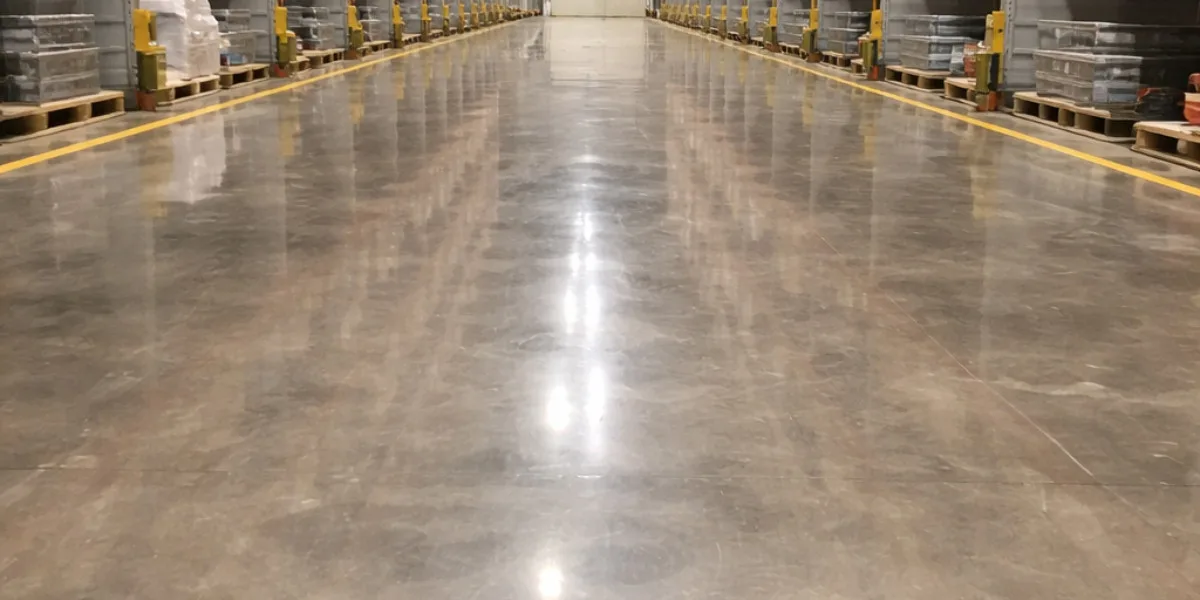
For instance, vinyl ester systems are commonly used in marine vessels, offshore platforms, chemical storage tanks, pipelines, and corrosion-resistant flooring. In addition, the resin is also used in wind energy components and transportation structures. Therefore, its role in modern composite manufacturing continues to grow.
Concluding Thoughts
Overall, the comparison between traditional resins and vinyl ester resin clearly highlights the importance of advanced material selection. Polyester and epoxy resins still serve many applications. However, their performance may become limited in aggressive environments.
On the other hand, vinyl ester resin offers a powerful combination of chemical resistance, mechanical strength, and long-term durability. Because of these benefits, industries are increasingly adopting this resin system for critical applications. Consequently, vinyl ester technology continues to play a significant role in the future of high-performance composites.
COMPANY INFO
Website: www.crestresins.com
Phone: +91 9879233188
Email: enquiry@crestresins.com
Address: 605/A, 6th Floor, Tower D, Times Square Grand Office, Sindhubhavan Marg, Near Taj Hotel, Ahmedabad, Gujarat - 380059
