
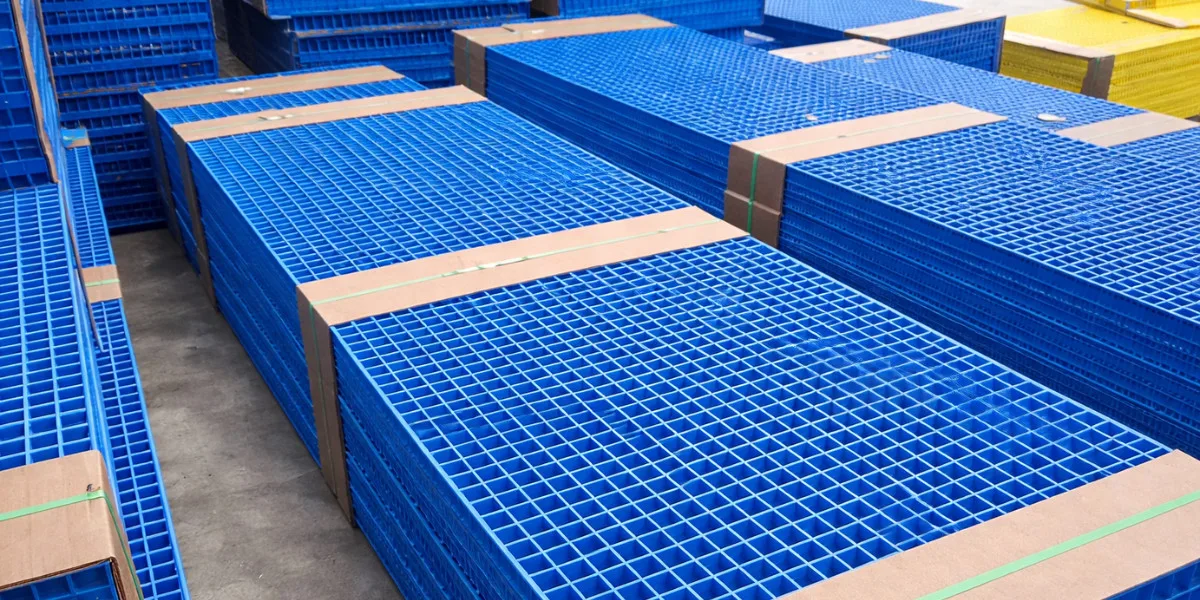
Discover how composite resins enable lightweight engineering solutions with superior strength, durability, and efficiency across industries.
Role of Composite Resins in Modern Engineering
In today’s industrial landscape, composite resins are transforming how engineers design and manufacture products. As industries move toward efficiency and sustainability, the demand for lightweight yet strong materials continues to grow. Therefore, composite resins have emerged as a key solution. ‘[
These resins act as a binding matrix that holds reinforcing fibers together, creating materials with exceptional strength-to-weight ratios. As a result, industries such as automotive, aerospace, and construction increasingly rely on composite resins for high-performance applications.
Why Composite Resins Are Essential for Lightweight Engineering?
- Lightweight engineering focuses on reducing weight without compromising strength. In this context, composite resins play a critical role. They allow manufacturers to replace traditional materials like steel and aluminum while maintaining structural integrity.
- Moreover, composite resins offer excellent corrosion resistance and durability. Because of this, they are widely used in harsh environments. In addition, their versatility enables engineers to customize properties based on specific application needs.
- Consequently, products become lighter, more efficient, and easier to handle. This advantage is especially important in industries where weight reduction directly impacts performance and cost.
Key Benefits of Composite Resins
1. High Strength-to-Weight Ratio
Composite resins provide outstanding mechanical strength while keeping weight low. Therefore, they are ideal for applications requiring both durability and efficiency.
2. Corrosion and Chemical Resistance
Unlike metals, composite resins resist corrosion and chemical exposure. As a result, maintenance costs are reduced, and product lifespan is extended.
3. Design Flexibility
Engineers can mold composite resins into complex shapes. This flexibility allows innovative designs that would be difficult with traditional materials.
4. Thermal and Electrical Insulation
Composite resins offer excellent insulation properties. Thus, they are widely used in electrical and electronic applications.
Applications of Composite Resins in Lightweight Engineering
Automotive Industry
The automotive sector increasingly adopts composite resins to reduce vehicle weight. Consequently, fuel efficiency improves, and emissions decrease. Components such as body panels and structural parts are often made using composite materials.
Aerospace Sector
In aerospace, every kilogram matters. Therefore, composite resins are used extensively in aircraft structures. They enhance performance while ensuring safety and durability.
Construction and Infrastructure
Composite resins are also used in bridges, pipelines, and building components. Because of their resistance to environmental factors, they ensure long-term reliability.
Marine Applications
Marine environments demand materials that resist water and salt exposure. Composite resins meet these requirements effectively, making them suitable for boats and offshore structures.
How Composite Resins Improve Efficiency?
Composite resins not only reduce weight but also improve overall efficiency. For instance, lighter components require less energy during transportation and operation. Additionally, manufacturing processes become more streamlined due to easier handling.
Furthermore, fewer repairs are needed because these materials resist wear and corrosion. As a result, operational costs decrease over time. It has also been observed that composite-based systems often deliver better lifecycle performance compared to conventional materials.
Sustainability and Future Trends
As sustainability becomes a priority, composite resins continue to evolve. Manufacturers are developing eco-friendly formulations that reduce environmental impact. Moreover, recycling technologies are improving, making composite materials more sustainable.
In the future, advanced composite resins will likely play an even greater role in lightweight engineering. With ongoing innovation, their applications will expand across industries.
Concluding Thoughts
In conclusion, composite resins are driving the future of lightweight engineering solutions. They combine strength, durability, and flexibility, making them indispensable in modern manufacturing. As industries continue to seek efficient and sustainable materials, composite resins will remain at the forefront of innovation.
Therefore, adopting composite resin technology is not just a trend, it is a strategic move toward better performance and long-term value.
COMPANY INFO
Website: www.crestresins.com
Phone: +91 9879233188
Email: enquiry@crestresins.com
Address: 605/A, 6th Floor, Tower D, Times Square Grand Office, Sindhubhavan Marg, Near Taj Hotel, Ahmedabad, Gujarat - 380059
